Is Keratin Treatment Safe for Natural Hair? What You Need to Know


10/10! Incredible service, everyone is extremely friendly and Joseph gave me the best hair cut of my life!
Had my 1st consultation with Joseph treatment trim and wash and he was amazing great communication and patience. Thank you Joseph
I went to Afrotherapy for the first time today and was met with such warmth! Everyone was so kind and welcoming, and Joseph, Natasha, and Rochelle did such a wonderful job on my hair. I will definitely be returning.

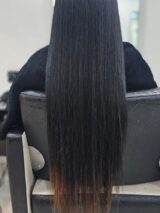
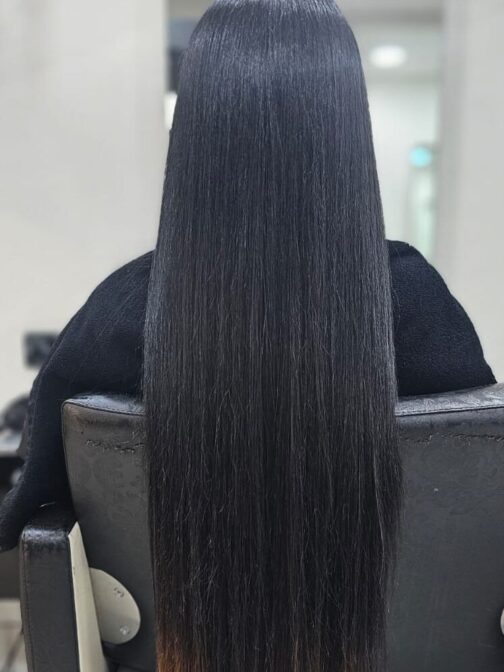
I am extremely pleased. Joseph and the whole team were very professional, knowledgeable and hospitable. Thank you so much for my beautiful silk press. Love the result, would highly recommend this Afrotherapy Salon.
Had my hair done at Afrotherapy by Joseph. Had an Initial consultation before about my hair texture, suitable styles etc which I found very productive and helped me decide on what style to go for. Was very suprised how Joseph handled my hair- never had a male stylist before Got very good results and super happy with AT salon.
My first time having my hair cut and blow dried since having baby and I left feeling fantastic! Looking forward to visiting again, really soon. Massive thank you to Joseph, much appreciation.
Brilliant service got a head massage with blow dry and style Joseph was paid attention to detail and delivered results this is my go to salon now!
Fire haircut done by Joseph. Love itt

Great salon, very knowledgeable. Joseph was a big help!

Lovely salon and staff! Joseph listened to my concerns about my hair and did a great job

I had Joseph curl my hair today and I’ve got to say, he’s an elite barber/hairdresser. I’d highly recommend him. He has a lot of knowledge about different hair types, styling techniques, and products, and he took the time to explain what would work best for my hair. The whole salon has a great vibe and welcoming atmosphere. I honestly almost didn’t want to leave once my hair was done. Very happy with the result and I’ll definitely be coming back.

Joseph was wonderful. I'm very happy with my haircut and the service that he provided. I look forward to returning for a touch up in the near future.
My experience at Afrotherapy today was amazing and my stylist was Joseph hid did am amazing job
My appointment with Joseph was excellent. We had spoken before with a zoom Consult. So he listened to me and was able to cut my hair according to what was needed. Very happy. Thank you!

Another lovely experience in Afrotherapy with Joseph
We had a very pleasant experience with Joseph. He was gentle yet quick. My daughter Michaela has a lot of hair and very tender headed but she left smiling. Thank you Joseph

I had an amazing experience here would recommend to anyone who is looking for knowledgeable professionals. I had a consultation and a wash custom condition and blow dry . I expressed my nervousness and my concerns and they were addressed and it wasn’t condescending or judgmental. I had my service with Joseph Tuesday absolutely will stay with this salon and stay coming back here my hair feels great and looks healthy .

I went into Afrotherapy Salon highly recommended by my daughter, not quite knowing what to expect. From the moment I arrived, I was warmly welcomed with a smile and offered a drink. I initially booked a consultation with Joseph to make sure I could trust Afrotherapy with my natural hair. Joseph was incredibly patient, took the time to listen to all my concerns, and made me feel completely at ease. I really appreciated his client-centred approach and professionalism. By the end of my consultation, I felt confident that my natural hair would be in safe and knowledgeable hands.

Joseph and Natasha were very welcoming , kind and gave great hair care advice. They were attentive and would highly recommend them and the salon

I just wanted to leave a lovely review for Joseph, who did my daughter hair she had a hair treatment, trim and silkpress . It was her first time visiting the salon, and he made her feel so comfortable and relaxed from the moment we arrived. He was incredibly gentle, kind, patient, and very thorough with her hair, which really helped calm her nerves. She had such a positive experience and left feeling happy and confident. Thank you, Joseph, for your professionalism and care it truly made a difference. We will definitely be returning to the salon again!

It was my son’s first hair cut and Joseph was amazing at making him feel at ease. He’s still asking to see the bee (the clippers) so we’ll definitely be going back. So happy with the haircut too!! Thank you so much

This is my third visit and am more than happy with the result. Wasn't really planning on having anything done today. I was accompanying a friend who I was introducing to the salon for the first time. She had an appointment. We received a lovely warm welcome as usual. Joseph was most accommodating when I decided to have a last minute shampoo, condition & trim. He knew exactly how to style my hair & didn't take too much off. Very happy!

Absolutely loved my experience at Afrotherapy Salon! From the initial consultation through to the big chop, the whole process felt professional, personal, and genuinely caring. My hair looks and feels so much healthier already. Huge thank you to Joseph for really taking the time to understand my hair, my routine, and the style that would work best for me. He absolutely delivered! The whole team were warm, welcoming, and friendly, which made the experience even better. I also appreciated the 30% discount for new customers, such a great bonus. I’ll definitely be booking my next appointment soon for a colour. Can’t wait! Highly recommend Afrotherapy Salon to anyone looking for expert advice, healthy hair care, and a great salon atmosphere.
I left Afrotherapy today with my hair feeling more beautiful and healthy than it has done in years. I was mostly attended to by Joseph who was warm, knowledgeable and highly skilled. The rest of the team also treated me with such kindness. This salon strikes the exact right balance between sleek, professional service and also making you feel like part of the family from the moment you walk in. I've signed up for a membership and will definitely be back!
Wonderful appointment with Joseph. Kind and professional, overall nice place and great staff. Had a treatment and cut for very damaged hair. Left feeling great!

🎼 Simply The Best🎵 Thank you to Joseph and the ladies in the Salon 👏🏽👏🏽. Welcoming,Calm & Relaxing atmosphere, I walked out feeling like a Queen 🥰 I have received so many compliment about my hair from strangers...really made my day. And in the words of my grandson " I'm really feeling myself" 😉 Afrotherapy you are the best. See you again soon. ❤️
I’ve always gone to normal barbers or hairdressers and never paid too much attention to going to an Afro hair specialist. What a mistake that has been. Joseph gave a great consultation, and I was happy to take his recommendations and he gave me a good hair cut, deep hair treatment and epic finish. No faults in this place. I can see why it’s got constant 5 star reviews. There’s another one!
Joseph is my stylist of choice. Whenever I come, I always leave with a lovely trim and feeling good.
Had a lovely moisture and protein treatment plus trim and s consultation - it was great. Thanks so much to Joseph
Very friendly staff, Joseph was lovely and I loved my hair!
My first experience at Afrotherapy, was great from check in to finish. Great service . Thank you Joseph.
Afrotherapy is the best hair salon for Afro/curly hair care. You get such a beautiful treatment and customer service. So welcoming and supportive. The will have a chat before you make any decision on your hair. Joseph is an amazing person. Thank you for looking after me and giving beautiful support.

I did the Moisture Treatment, silk press and trim. Joseph was amazing listened to exactly what I wanted and made it look perfect. Super friendly, professional and the whole experience was great. I couldn’t be happier with the result and will 100% be coming back.

Lovely first time experience! Joseph gave me the desired fluffy silk press, would recommend!

Joseph really well done and very fast so happy!

Such a professional team and very welcoming. I have never had my hair look as good as how it looks. Learning to embrace my natural hair. Thank you Joseph and the team. You are all awesome!

Joseph and Rhianna took the time to really listen to every part of my hair journey and offered clear, honest advice on how to improve it for long-term results. I genuinely felt heard and supported throughout the consultation. I’m really looking forward to starting my hair journey with Afrotherapy. They are a dedicated team who make everything feel fresh, simple, and realistic, while always staying true and honest about what’s best for your hair goals.

Wonderful cut and colour from Joseph today. I was looking for a transformation and he delivered, I highly recommend

Joseph was amazing! He made me feel completely relaxed from the moment I sat in the chair. He took his time, listened carefully, and delivered a truly wonderful haircut. The whole experience was calm, professional, and enjoyable. Thank you, Joseph, for such great care and an excellent result—I couldn’t be happier!

Great service. Polite staff. Definitely coming back. Joseph in particular was lovely with my niece.

Joseph did an incredible job with my relaxer, trim and style. My hair came out smooth, healthy, and perfectly shaped. He’s gentle, detailed, and really knows what he’s doing. I’ll definitely be coming back.

Great service. Very polite and professional staff and environment. Mr Joseph was professional and helpful.

Walked in and was seen straight away! Fantastic cut by Joseph very professional and understood what I wanted. Fab.

I got my hair done by Joseph today. It was a wonderful experience and I would definitely go there again. (Ps: Thanks for the birthday gift!)

So good I loved the professionalism they were lovely and will be going to them more often. Joseph was amazing at detangling and managing my hair. He evened out both sides of my hair which may have been a challenge but was very helpful providing educational advice on managing hair retention!
It’s been a lovely warm and welcoming experience, I had a cut, treatment and blow dry from Joseph and he was very attentive, in fact all the staff listened to my needs will def come back again!
Joseph and his team always offer a high level of professional, friendly and efficient service, in a calm and relaxing environment.
Had a great experience with Joseph who gave a very detailed consultation
Very happy with Joseph cutting my 2 sons hair especially my 4 year old as was his first cut
I had a nice time here, Joseph gave me a nice haircut that really suits my face, it was a good experience, excellent customer service
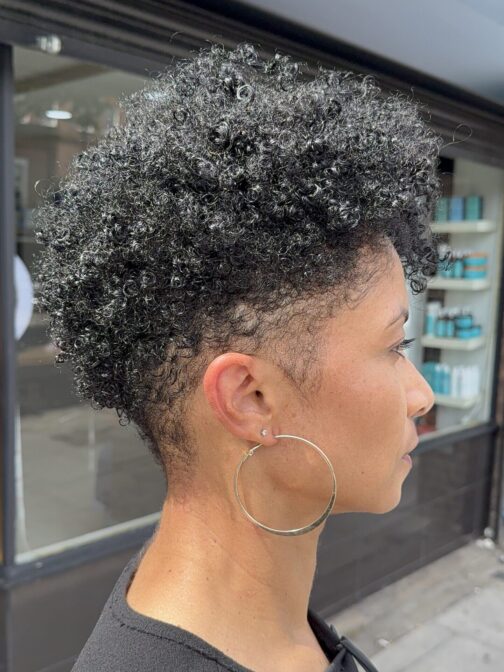
Went from large afro to a short afro. Great service from Joseph who cut and washed my hair
Always incredible treatment and service by Joseph and Jennifer!
From checking in to checking out, the Afrotherapy experience is 10/10. The staff are absolutely amazing and my stylist Joseph did a fantastic job with my pixie style. The attention to detail is impeccable and they really go above and beyond for their customers. Thank you!!. I will definitely be back! Adele
Fantastic salon. Service was amazing, staff were so kind. Joseph is amazing. So kind to. Thank you
Fantastic saloon. Service was amazing, staff were so kind. Joseph is amazing. So kind to. Thank you
Joseph was super amazing and welcoming. Explained to me what may be causing my dry scalp and real gentle on the hands. Lovely aura and good vibes. I am so happy I’ve found this salon. I will definitely be back and booking Joseph again for my natural hair care. ( I will also be writing a google review)
Joseph is the 🐐
I had a great experience at Afrotherapy salon last Wednesday, Joseph took his time getting to know what my needed, it was really well conditioned, my hair feels absolutely great best it has been in years.
I had a really wonderful experience this morning. Joseph was so helpful recommending the best treatment for my hair and really taking into consideration my hair goals. I’ll definitely be returning.
An amazing experience with Joseph as always. Hair care advice, the way he looks after and treats my hair, always very happy! My hair looks and feels healthier.
Great visit to Afrotherapy Salon. Joseph was welcoming, professional, friendly and did a great job to my hair and new look. I enjoyed my first visit and will be returning and recommending the Salon. The salon is of high standard and quality.
Joseph kindly saw me despite a late enquiry. I was impressed by the quality and standard of service. I also appreciated the hair advice and will definitely be back!
Very pleased with my Silk press. Excellent customer care by Sharon Joseph and the other staff members. I have mobility problems all the staff were very caring and supportive.
My son just had his haircut by Joseph. It looks great and he's very happy. He got sound advice on haircare too. He will be going back! Thank you 🙂 Jo N22

I had my first silk press plus a trim today, all carried out by Joseph. I'm really pleased with how it looks and feels, just hope I can maintain it for a couple of weeks. The service was good. I was seen on time and was given useful after care advice.
Best haircut I've ever had! Joseph will be my go-to-hairdresser for years to come!
I received excellent service from booking my appointment to leaving the salon. I am very pleased with the results and the care that was given to my hair. The consultation was very thorough and informative, and I was given aftercare tips on how to maintain healthy hair. My stylist, Joseph was polite, professional and hospitable. The ambience of the salon was calm and the head massage was heavenly. I would definitely recommend and will be going back. Thank you so much for a great first experience.
I must admit I do not normally participate in ratings, however my experience at Afrotherapy compels me to make this an exception, particularly since my experience with Afrotherapy was better than I had expected. Having not been to a hairdressers for the last 5 years since having had a bad experience when my hair was severely damaged through it being overprocessed with the wrong type of relaxer and colouring for my hair, I was therefore extremely cautious in finding a suitable and competent hairdresser. I came across Afrotherapy through doing some online research and although I had previously earmarked a couple of other hairdressers to check out they were immediately removed from my checklist once I found Afrotherapy and read their reviews. Admittedly I was a bit apprehensive in choosing a hairdressers that way as I would normally go through personal recommendations. I was given a thorough consultation and both Chris and Joseph came across as very professional and who definitely knew their stuff where hair is concerned. Ultimately I was extremely pleased with the result of the relaxer and colouring I received from Joseph and ditto with the cut and style I received from Chris. The numerous complements I have received about my hair since then is testament to the skills of them both.
Recent Work: (26)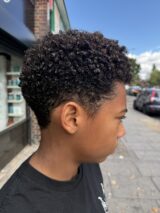

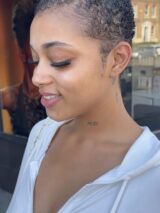
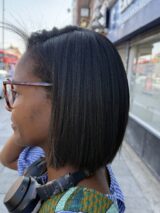
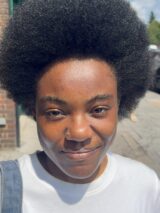
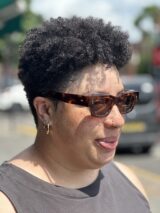
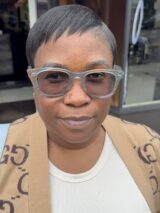
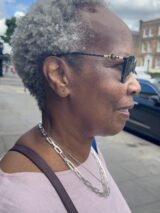
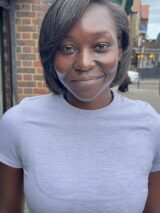
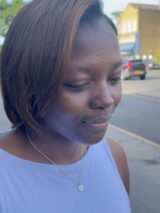
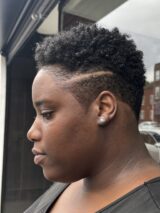
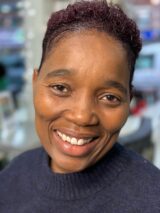
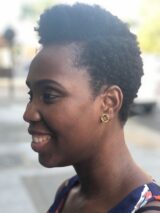
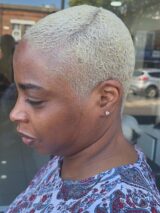
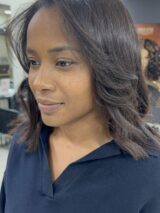
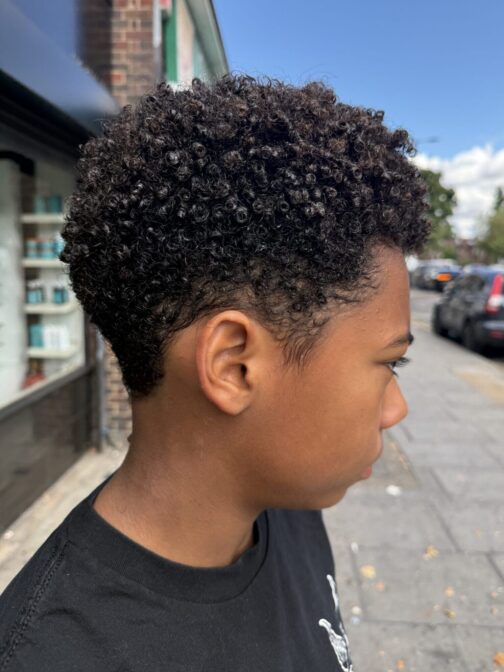
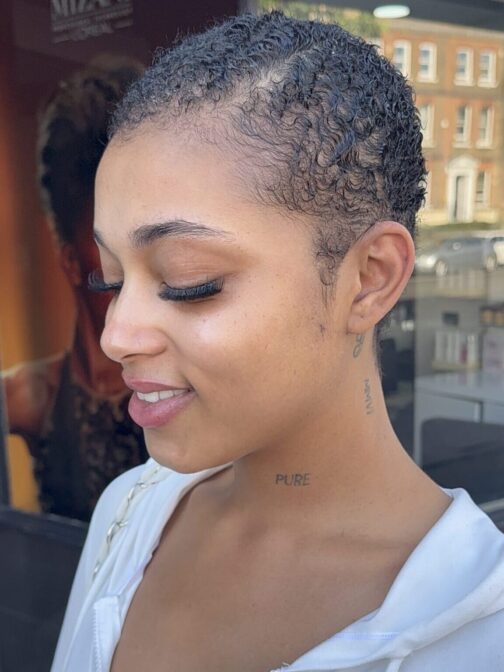
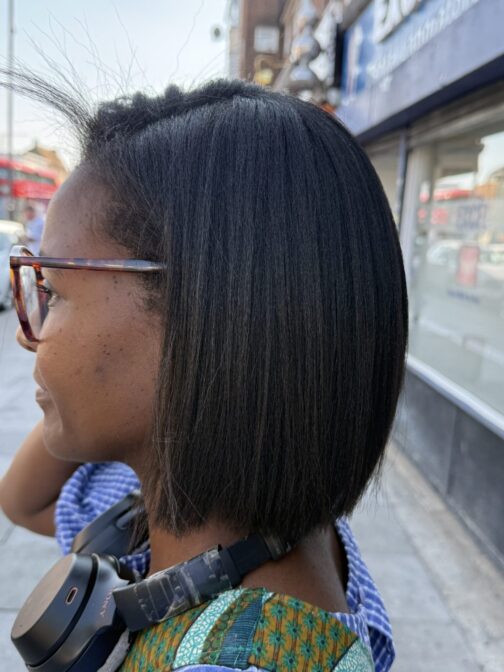
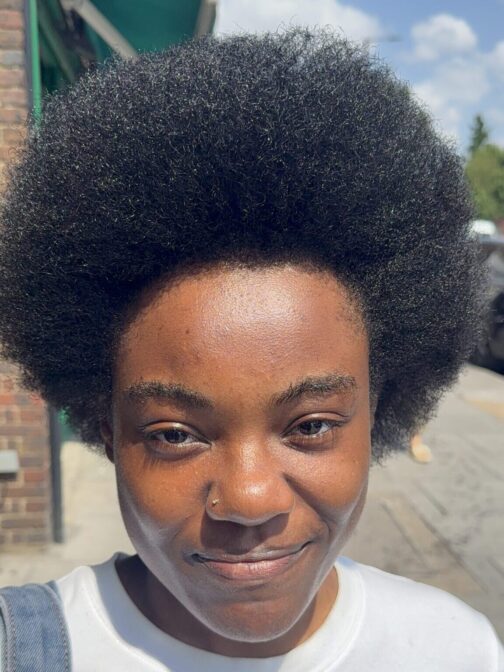
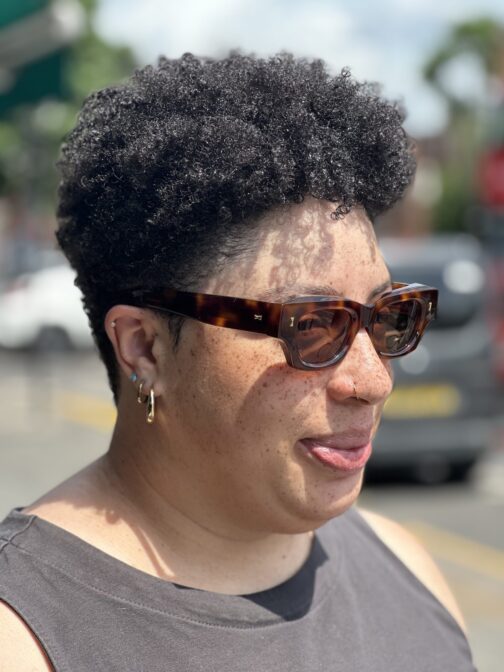
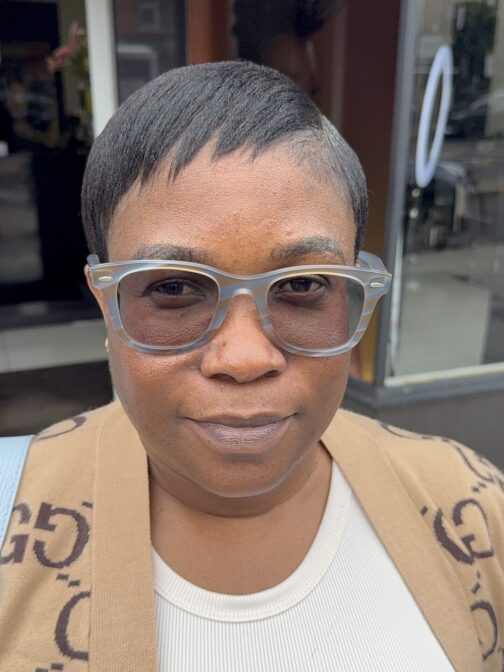
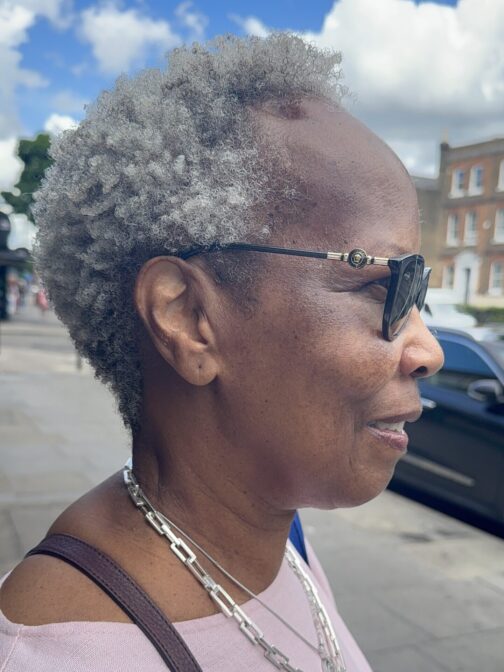
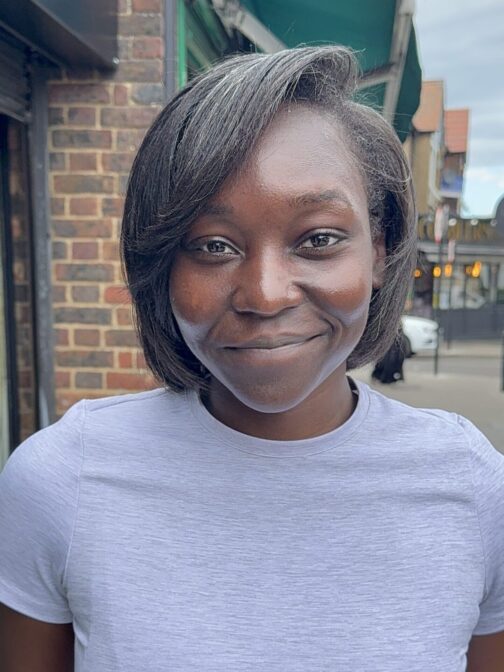
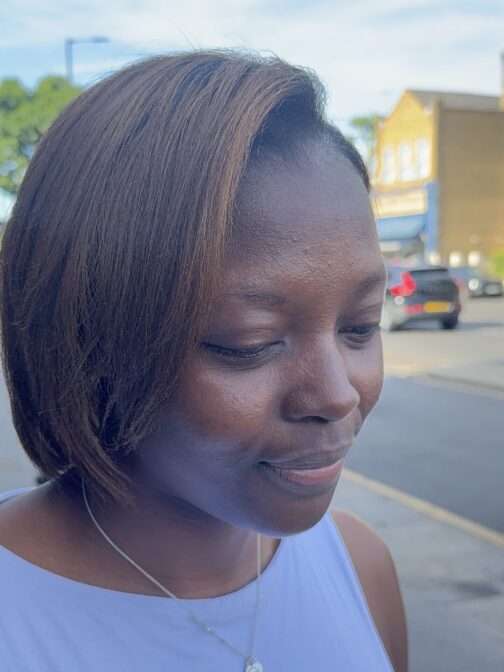
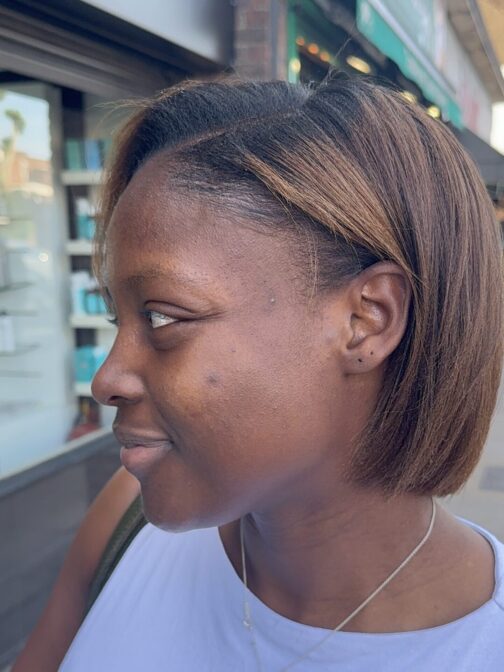
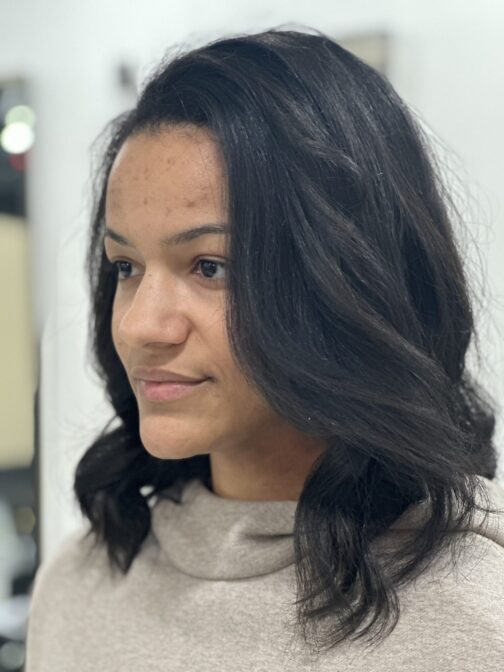
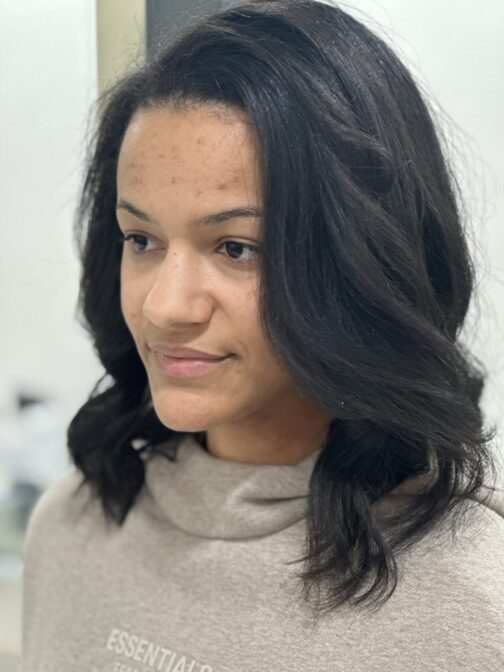
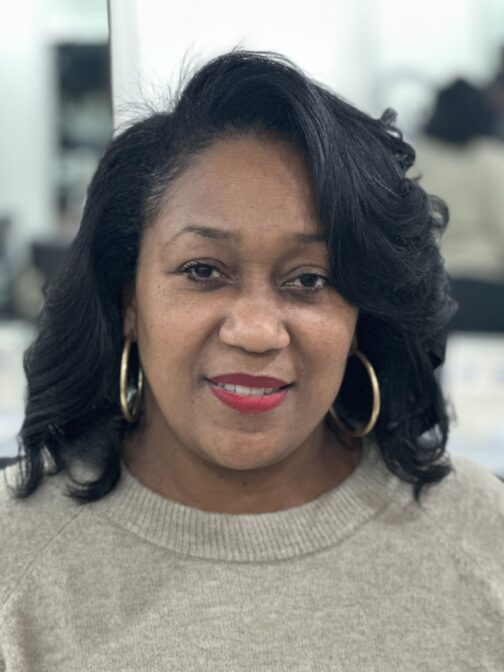
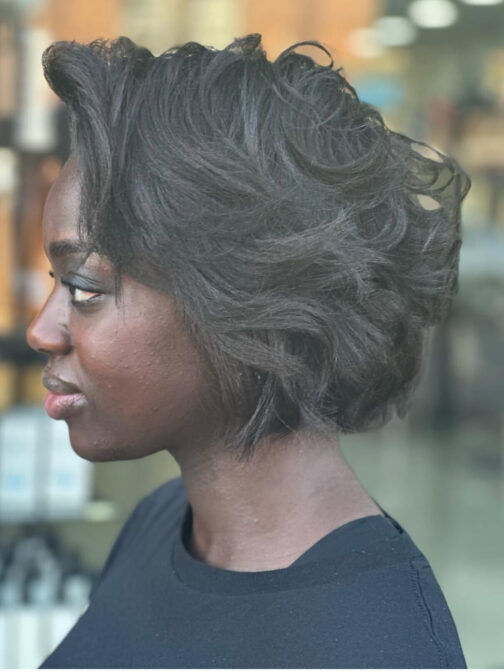
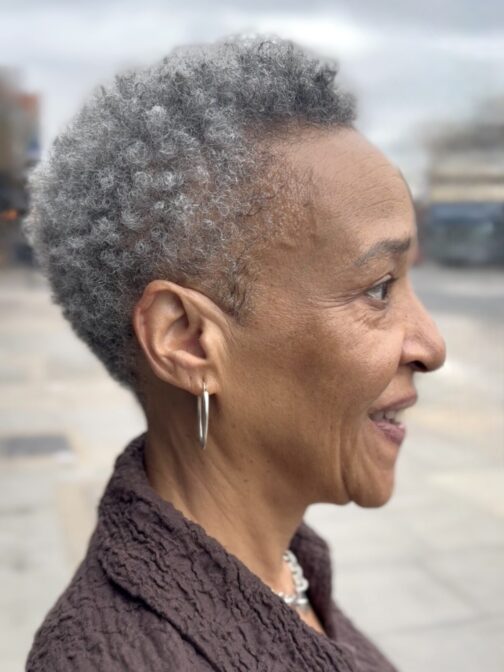
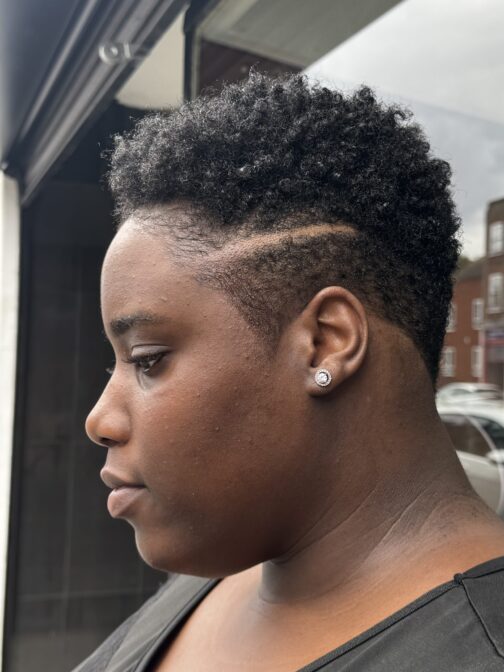
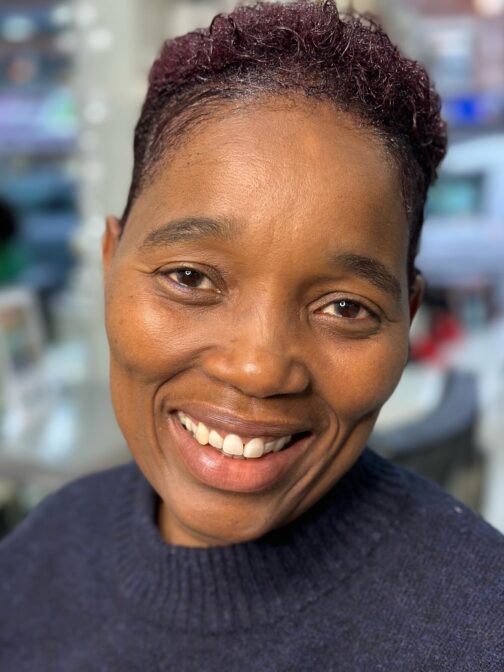
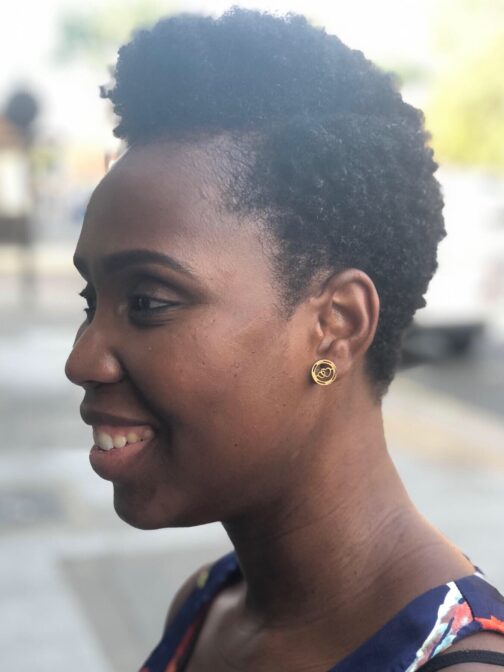
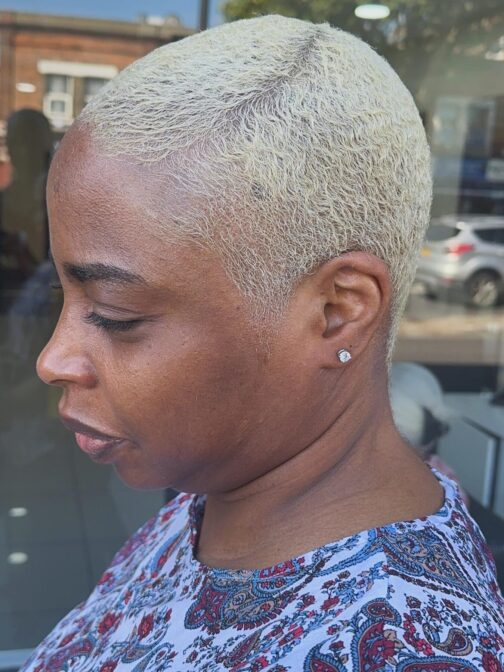
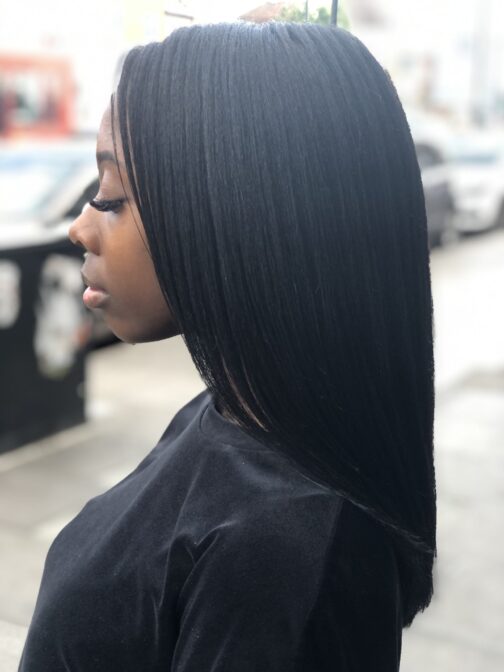
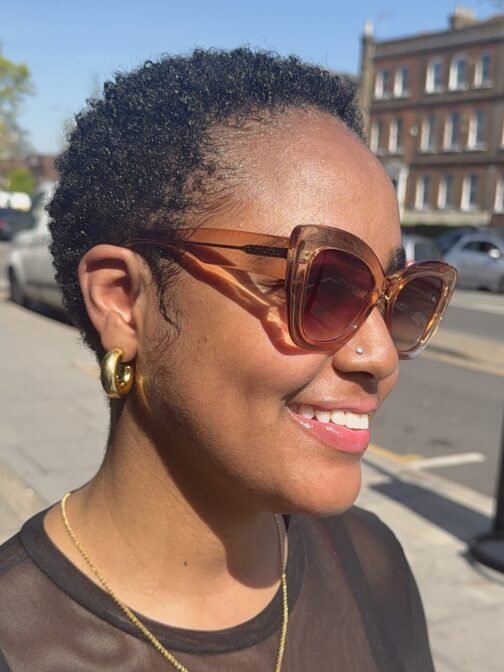
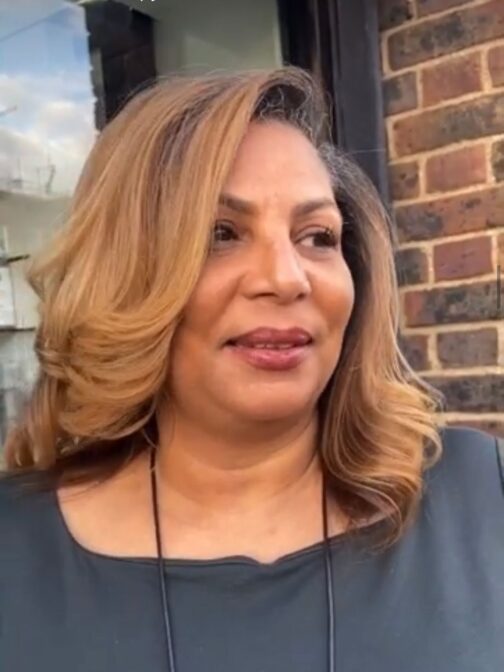
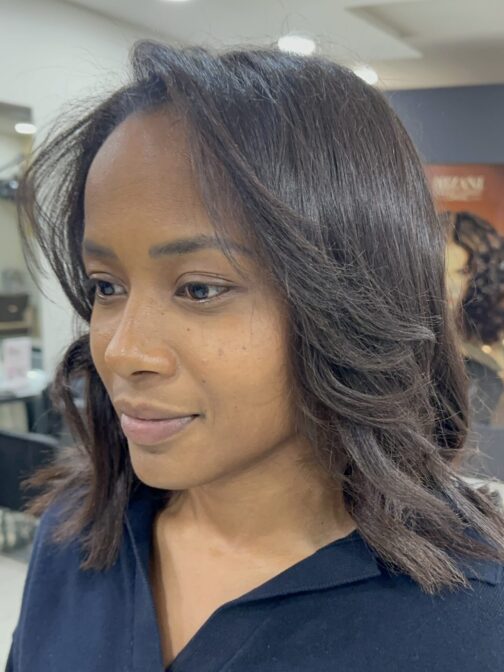

I originally booked a free consultation after having knotless boho braids done elsewhere that left the ends of my hair badly damaged. I was unsure about what to do next, but Rochelle immediately put me at ease. She listened to my concerns, took the time to assess my hair, and explained exactly what had happened and what would be needed to get it healthy again. She was incredibly knowledgeable and honest. Rochelle was also kind enough to fit me in the same day for a custom blend treatment, wash, blow dry, trim and straightening. I could already see and feel the difference after just one appointment. My hair looked and felt so much healthier. As this was my first visit, I wasn’t sure what to expect, but from start to finish I felt completely looked after. Rochelle is professional, caring, and passionate about healthy hair. The salon itself is lovely, and everyone there was so friendly and welcoming. I would highly recommend Rochelle and Afrotherapy salon to anyone looking for a stylist who truly cares about the health of your hair.

Went in for a silkpress with Rochelle and was very happy with the results, she did an amazing job of explaining her process and was very friendly. All the staff were very welcoming and professional and were very knowledgeable about haircare. Will definitely be visiting again and would highly recommend!
Rochelle was so attentive to my hair type, gave me great advice, and was extra careful with my sensitive scalp. I have never had my hair cut to bob length before and the result came out even better than I expected. I have never had such a nice silk press and have received so many compliments already!
I wash washed and styled by Rochelle, I had the best experience. She really took the time to understand my hair history, as the front sides of my hair were breaking. And I explained since coming to Afrotherapy the sides have started to grow back. Rochelle gave advice as to what could cause breakages and took a real interest into my hair journey. She made me feel at ease as soon as I sat down, which made the whole experience even better. Thank you Rochelle for your patience and time, will definitely be booking again.
Thank you Rochelle for my silk press! I love my hair and I will definitely be back soon very friendly atmosphere in salon, great punctuality, clean and well organised place is a big plus too! Amazing experience

Today my daughter got her hair done with Rochelle and the result was amazing!
Recent Work: (6)
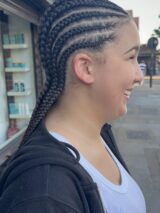
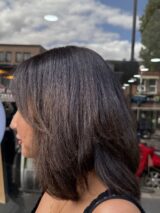
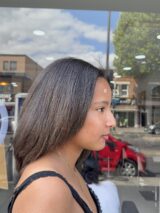
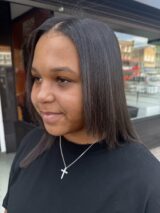
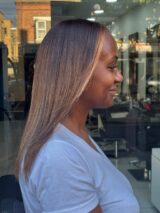
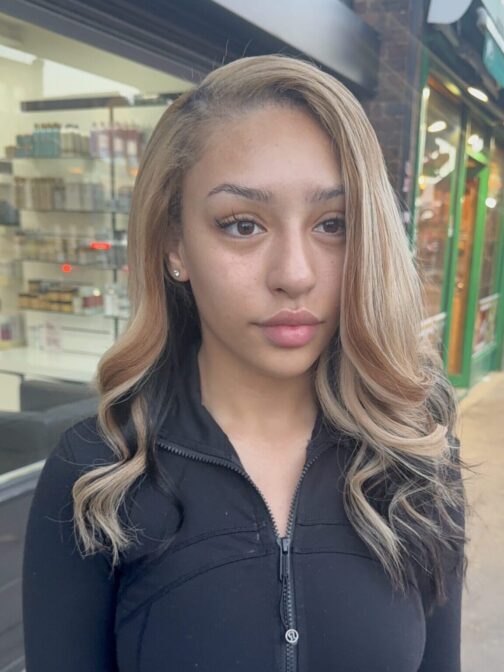
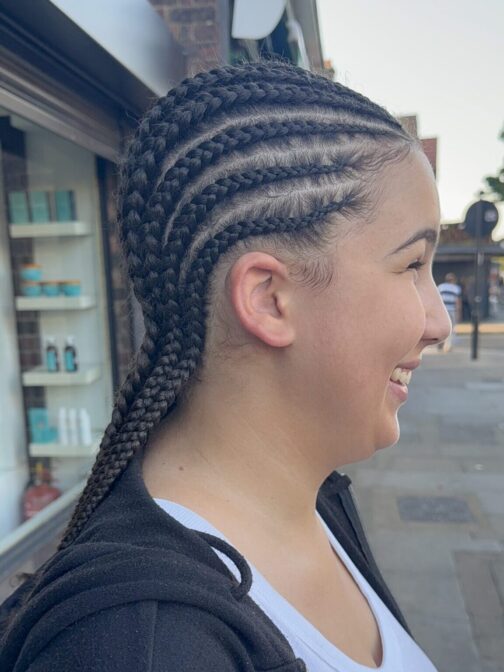
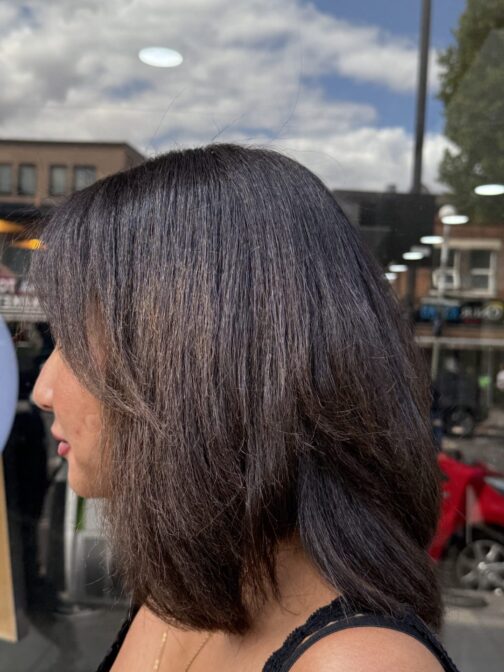
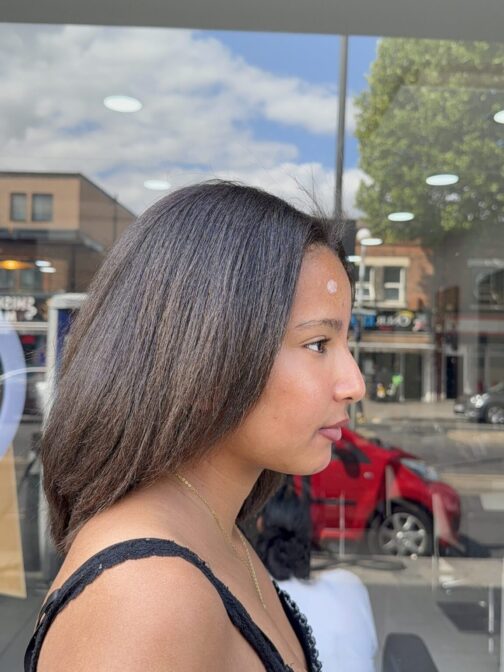
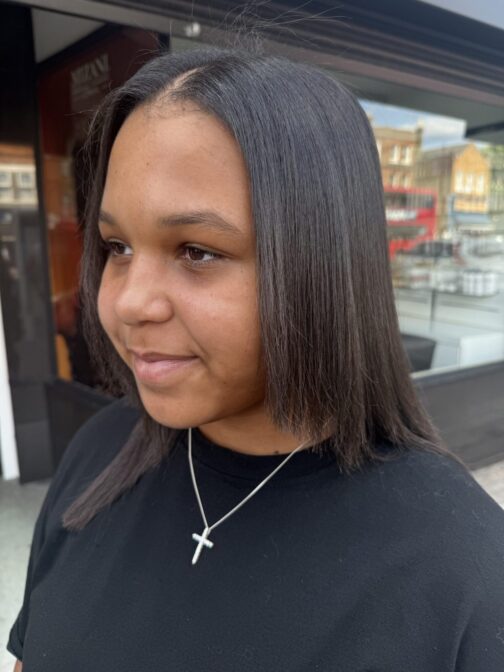
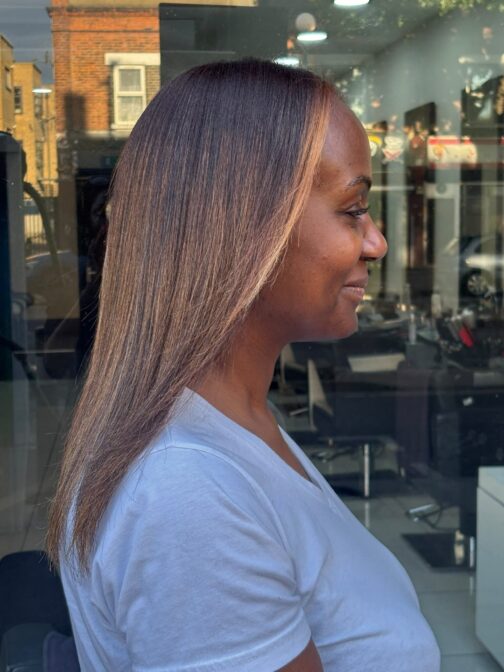

Nice ambience in the salon and punctual service. Had a silk press and cut by Harriet and happy with the result.
Went to do my hair yesterday and it went well. The service was so swift and everyone was so welcoming. Joseph styled my hair after my cut done by Harriet and they were both so friendly. Thank you! Definitely would come again!
Amazing consultation, styling and service by Harriet. She’s very knowledgeable and made me feel comfortable throughout my appointment. Will definitely visit again
From beginning to end the service was top notch. Welcoming, accommodating and hospitable. Harriet was patient and understanding, and exceeded my expectations. Harriet is an excellent stylist who listens and cares about you and your hair.
I had such a wonderful experience today at Afrotherapy, I had the beautiful owner Harriet and Joseph permed, washed, cut and styled my pixie hairstyle. Thank you both and the rest of the staff for such lovely energy and professional service, will definitely be back.
Amazing service as always- thank you to Harriet and the Afrotherapy crew
As usual, a wonderful service, lovely place with extremely knowledgeable staff
Great experience , my hair looked very great Thank you team , thank you Harriets
I had a trim with Harriet and it was wonderful. Very relaxing environment and I left feeling much better than when I entered
The service today at Afrotherapy was very good, from the moment I walked in , I was greeted straight away with a warm welcome. I was given an indepeth consultation with stylist Harriet, who took into consideration my needs and how I wanted my hair to be styled. The whole process was very relaxing from the washing process to finished result. I was also very impressed with how quick the process was.

Good experience, did a new colour really enjoyed 😉 Harriet did my hair, really lovely woman ☺️

Really lovely experience at the salon. All the staff were so friendly and welcoming, and Harriet did a fantastic job with my pixie cut. She really listened to what I wanted, read the memo, and absolutely completed the assignment!😉 so happy with the result and will definitely be back. Would happily recommend.

I had my treatment done by Harriett and it was amazing, very professional and kind. Would defo recommend

An amazing hair dressing experience, from beginning to end. From the video consultation with Joseph to the warm welcome by Harriet and all the staff at Afrotherapy. Fantastic 5 star customer service!! A relaxing experience, delivered with such expertise and kindness - my hair looks beautiful- I feel a million dollars! Would thoroughly recommend Afrotherapy. Thank you all so much , God Bless ! ☺️

Afrotherapy is a wonderful, professional salon. Harriet was amazing, very lovely and did my hair exactly to my needs. Would definitely recommend.

So glad I found Afrotherapy, a family-owned and run salon! A warm welcome was followed by a cut, shape and wash by very experienced hands. Exactly the care I needed for my short afro, thank you Joseph, Harriet and team!
In plain and simple terms..I should listen to Harriet, who is my friend and she has been looking after my hair for decades and has never steered me wrong. This time I decided to opt for my own style, Bad Move!!! Harriet put my hair back into the style that suits me best. She knows what is right for me. Lesson learned. "Listen to Harriet"
I visited Afrotherapy Salon for the first time today, and what an experience it was. I was greeted by a lovely lady Harriet who was very friendly, as soon as I arrived I was seen where I had a shampoo, condition. The lady who wash washing my hair explained what my hair type was and what treatments and how to care for my hair. I had flaky, dry hair and breakage at the front, as I have relaxed hair. They are very knowledgeable about products and hair care. I then had a blow dry and styled by Harriet, who again was very professional and throughout my appointment took time with my hair and was really kind with next steps for my hair journey. I would recommend coming here and will be coming back again myself. Thank you for my first time experience as I was nervous visiting somewhere new, but left feeling confident.
Lovely professional calming ambiance and.service with a smile. Had a lovely experience at the hands of these professional today. Will definately recommend them to all who desire not just a hair style but hair therapy.
I came in for a Fabrique treatment and Harriet was great throughout, explaining how it would all work. I went in with curly hair and walked out with smooth straight hair and can already notice the loosening of my curls. I’d highly recommend anyone with curly hair to pay a visit to Afrotherapy!
I visited this salon today for the first time with damaged hair and wasn’t sure what to expect but I was genuinely impressed. The salon is located near Silver Street tube station. It’s very clean, and the staff are professional, welcoming, and very friendly. The owner is knowledgeable and takes the time to recommend the best treatments for your hair, which made me feel confident and well cared for. Wishing continued success and blessings to this place and its owner. Highly recommended!
Harriet responded quickly to an email I'd sent enquiring about what I should do with my hair. After a face-to-face, consultation, I had a low cut and treatment. It's a big change but the cut was long overdue. Thank you.
Absolutely so happy I found Afrotherapy. Harriet’s knowledge about hair is phenomenal. The consultation gave us the perfect plan. My hair was reborn and I left feeling human again. Can’t wait for my next visit. All the staff were amazing and so welcoming. 7 star treatment.
Great experience, gorgeous colour and was well looked after by Harriet throughout
I booked in for a colour correction and Harriet did an amazing job on my hair, it was exactly the colour I wanted! I will definitely go back, highly recommend!
Harriet really took the time to give me a fresh new look, which I truly appreciated. Her time, patience, and dedication made the whole experience even better. Would definitely return again and recommend!
I booked a curly perm and from the time of booking to my treatment it was all a really smooth, professional and lovely experience. My appointment was with Harriet who was really kind, patient and done a thorough consultation with me with a clear plan of action - which is great because i was well informed as I am quite sensitive to my hair. She also took images to track my progress which i thought was a great and not something I have had at other salons. All the other ladies at the salon were also very friendly. I am very happy with my hair and only wish I had started my journey with Afrotherapy sooner and reccomended to others too. Thank you Harriet!
I had the most amazing experience at Afro Therapy Salon. As someone with 4C hair, I’m always very particular about who I trust with my crown — and they absolutely exceeded my expectations. From the moment I walked in, the atmosphere was warm, welcoming, and professional. Harriet really took the time to understand my hair, and make sure I was comfortable every step of the way. I had a texture release done, and a Bob hairstyle! My hair feels so soft, silky, and still full of life. What I loved most was how knowledgeable and gentle they were with my hair. You can tell they truly understand and celebrate natural hair in all its textures. No rushing, no cutting corners — just genuine care and expertise. If you have 4C hair and are considering a texture release or simply want a salon that truly knows what they’re doing, I cannot recommend Afro Therapy Salon enough. Professional, attentive, and absolutely worth it. I walked out feeling confident, pampered, and completely in love with my hair! 10/10 experience ✨
Harriet is awesome every time !
After five years with Sisterlocks, I chose to have them professionally removed rather than combed out. I selected Harriet at Afrotherapy, a salon I have trusted for years, for this transformation. Harriet exceeded my expectations, providing a thorough consultation in a calm and welcoming environment and ensuring I was comfortable with each step of the process. I would highly recommend Afrotherapy. Sandra M

I love Afrotherapy!!! I had such a wonderful experience with Harriet and Patricia!!! I totally recommend this salon for everyone!!!

I booked a consultation with Harriet and she was very helpful and kind. I was able to discuss my concerns with trying to transition my greying natural hair. Her advice helped me to make a decision on my next steps and she answered any questions I had. Jennifer then did a great job of giving me a treatment, cut and twists. This was my first visit to the salon and I would say that both Harriet and Jennifer were very friendly and knowledgeable. There was a great welcoming atmosphere and I will definitely be returning again. Thank you 😊
Excellent service provided by Harriet. Very friendly, professional and good at what she does. I highly recommend coming to Afrotherapy Salon. This was my first time here and I plan to make this my regular hair salon moving forward. Xx
Another great appointment at Afrotherapy Salon today. Harriet and the team are incredibly knowledgeable and always professional. Just over 12 months into transition to natural hair after 30 years of processing - advice and guidance at Afrotherapy is invaluable. Every confidence that my journey to strong and healthy hair will continue smoothly with the excellent service of Harriet and everyone at the salon,. Looking forward to my next visit already
Harriet was lovely, all of them are. I travel from Norway just to have my hair done at Afrotherapy. Nee i say more?
Just had a cut and colour with the wonderful Harriet. She listened and totally understood my indecision, she gave me all the options available. The salon and staff are so friendly and welcoming. Thank you all, I'd definitely recommend and I'll be back
My appointment was at 1pm. I had my colour topped up. I was very happy with the result. Considering that the salon was very busy, Harriet and her team ensured that I was dealt with quickly and efficiently.
I had a great appointment with Harriet and the team. They really listened to what I wanted and delivered an amazing transformation.
professional - I love coming here. I don’t have to worry about anyone eating over my head or shouting in a language I don’t understand. Harriet and her staff are always friendly polite and professional. I totally trust them to do the right thing with my hair every time!!

Got my hair dyed blonde from black. Went in for an initial consultation then came back for the actual process. Received excellent service from Harriet and she was able to get my hair to the exact colour that I wanted from one photo. Very happy with the results and would recommend. Came back and updated my hair style. Looks really good colour matching exactly what I wanted
It was my first time at the salon ,I was a little nervous as i didn’t know what to expect but left having a good experience and i’m happy with my new hair cut/look (I got a tapered cut), the owner /head stylist at the Salon Harriet was very nice to talk to and was reassuring, which made me feel comfortable to voice out what I wanted with the haircut I was going for, throughout the process of getting my hair done Harriet asked me how i felt about the direction of my haircut and if was happy with how it looked, how short I wanted it etc. I enjoyed getting my hair washed, my hair is type 4, high destiny hair (medium to thick strands) i have had past hair salon experiences where my natural hair wasn’t handled with care however at Afrotherapy that wasn’t the case it was one of the most relaxing washdays I’ve had. The other staff at the salon where lovely as well and the atmosphere of the salon was lovely, relaxing music, clean and simple design of the salon. A couple things I didn’t like as much was being told to change my original booking time to an earlier time, I’m based in south east london and the Salon is in North , pretty long journey, this meant not only did have to leave early , which initially planned to do but I felt added pressure which made me super anxious, which also meant had to rush m my journey to the salon (it didn’t help that there was traffic in the area going to the salon), Harriet explained why I needed to come to the salon earlier than I had planned due to the fact she needed to check the condition of my hair prior to my haircut and also asked for photos of my hair on the day of the appointment. Looking back I wish these 2 requests were made a day before or a couple days before my hair appointment so I didn’t feel so anxious on the day of my hair appointment, this is something that could be improved on to help with customer experience with the salon, if customers where given necessary info well in advance if possible . There was also a time I was left under the dryer for what I felt was a bit too long , it started to get slightly uncomfortable with the heat and although Harriet did finally check on me and my hair to see if it was dry (my hair was being set for a bantu knot out hairstyle with my tapered cut), I wished she would’ve of told me an estimate time for how long I would be under the drier or if i could take some breaks in between ( but that’s on me for not speaking up). Overall I did have a good first time experience at Afrothe
Great first time experience from start to finish! Really nice calming atmosphere with welcoming staff! Loved the chilled out music playing in the background. Harriet did a fantastic job cutting my damaged hair(at my request). Received great compliments from work colleagues and strangers the following day. I am looking forward to my next visit very soon.
Dear Jennifer, Dear Harriet and Joseph I want to say THANK YOU VERY MUCH again! This transition to me means everything! You made a dream come true for me! I haven't felt comfortable over years with my own hair due to one bad experience after another. I love to see myself in the mirror again now! Thank you, for having me at your place. All of you are SO PROFESSIONAL. Jennifer, you gave me back my trust. I'm in the best hands with you and I'm already looking forward to come back! YOU'RE AMAZING!!!!!!!! I'm still totally mindblown and speechless at the same time and i can't stop smiling!!!!! I wish you all a wonderful day!
Today was a good day for me at the salon. My beautician was the owner and she gave excellent service. She took the time To carefully go over my requirements; she explained what treatment that would be applied to my hair And coloured my hair in a beautiful bi-colour tone, exactly The way that I wanted it. It really looks lovely and is well moisturised.
I have mixed race curly hair and had really bad experiences in hair salons. Afrotherapy has good reviews so I was willing to try. I have booked a shampoo, cut and styling with Harriet. The staff was polite and welcoming. I really like that she took the time to listen to my needs and she tried to understand my curls pattern. She explained how she will proceed, proposed a treatment and gave me the cost before she starts. I agreed so no big surprises at the till at the end (like in other places where you have no clue if they will make you pay or not the extra conditionner they are using on your head... And they always make you pay that extra!!). She took care of me herself from the shampoo to the till at the end, checked if I was ok, explained what she was doing and gave me advices! I have exactly what I have asked for so I am really happy. I will definitely go back, even if it is a bit pricey. I prefer paying more to have a better service and not going home straight after to wash my hair and try to "fix" it!!!
Recent Work: (29)
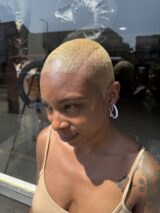
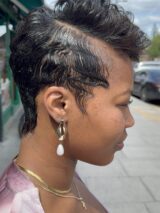
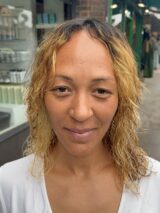
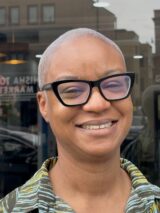
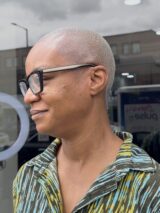
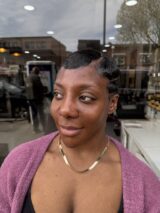
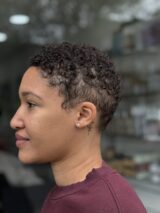
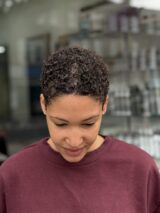
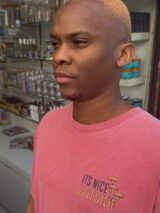
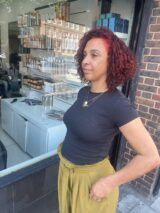
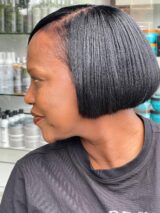
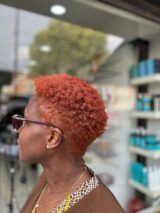
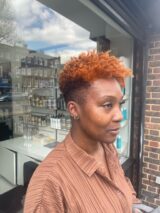
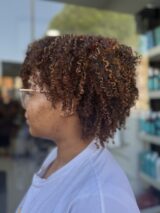
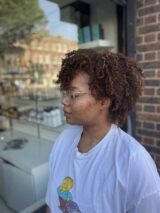
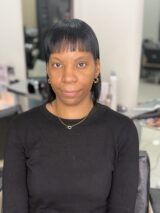
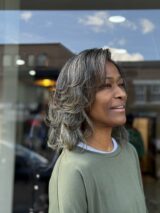
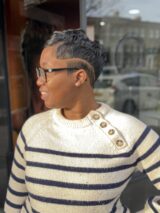
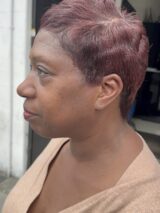
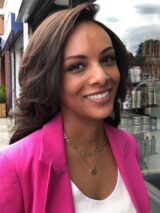
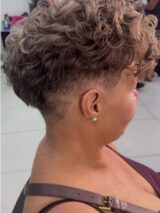
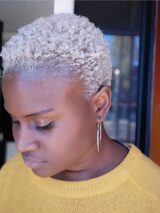
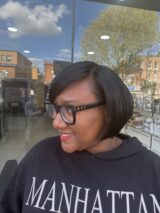
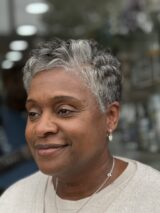
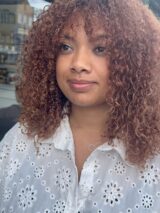
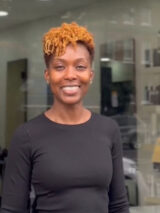
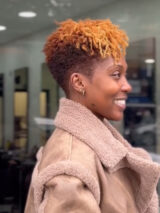
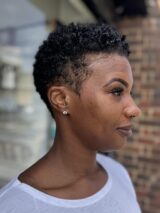
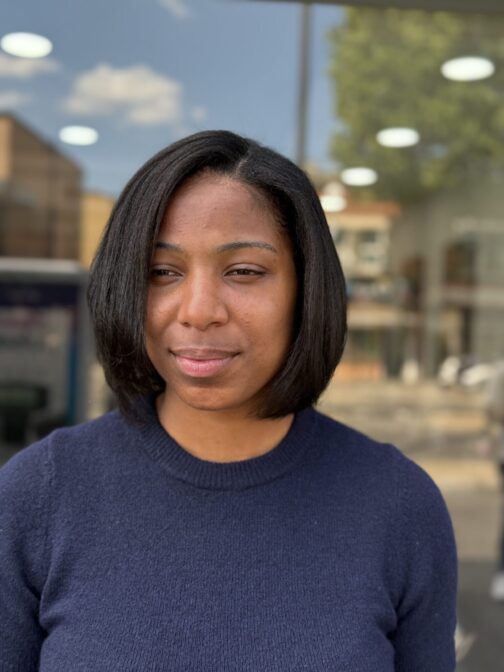
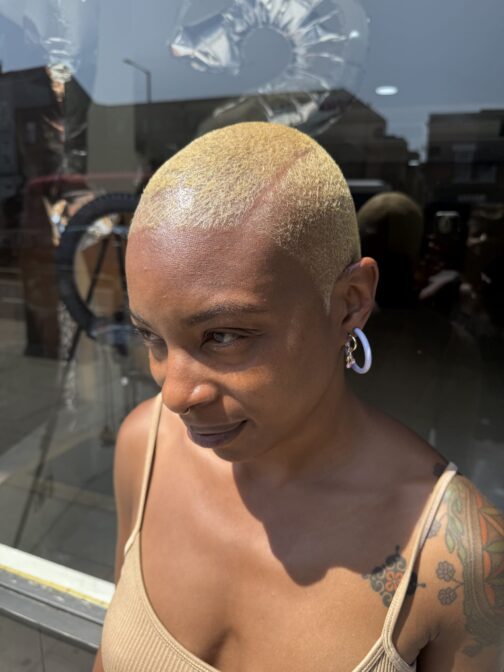
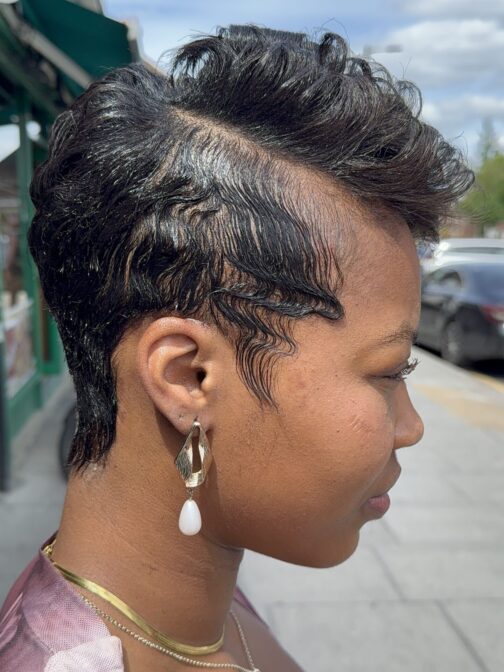
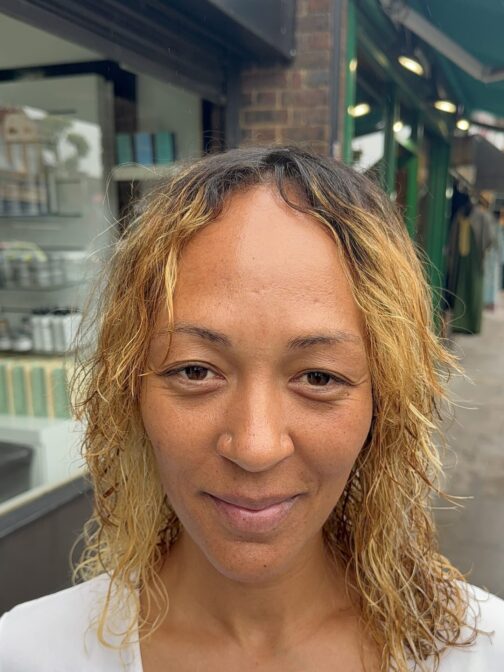
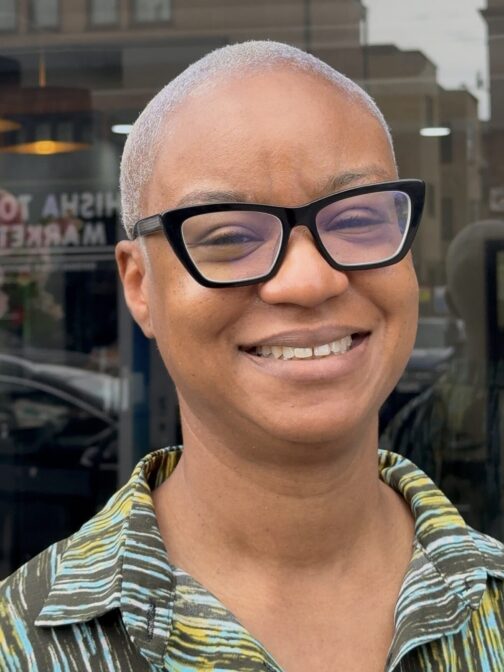
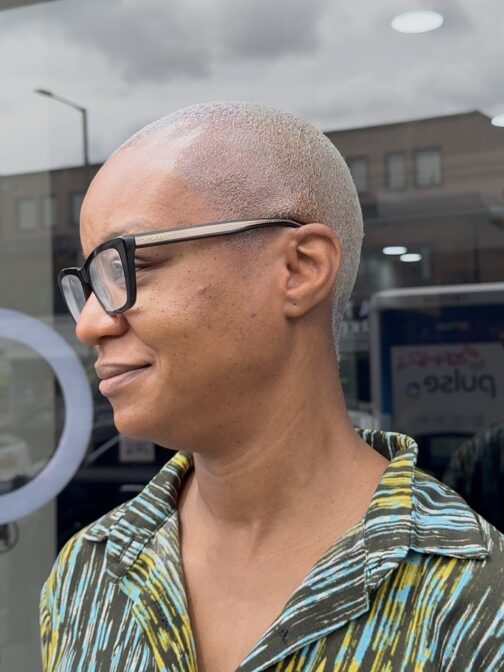
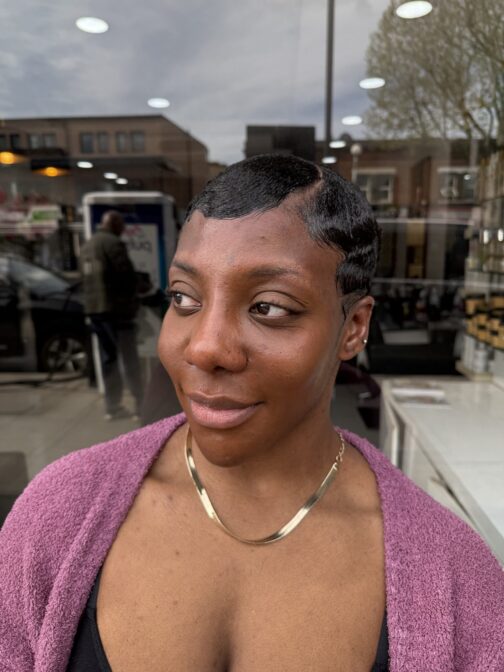
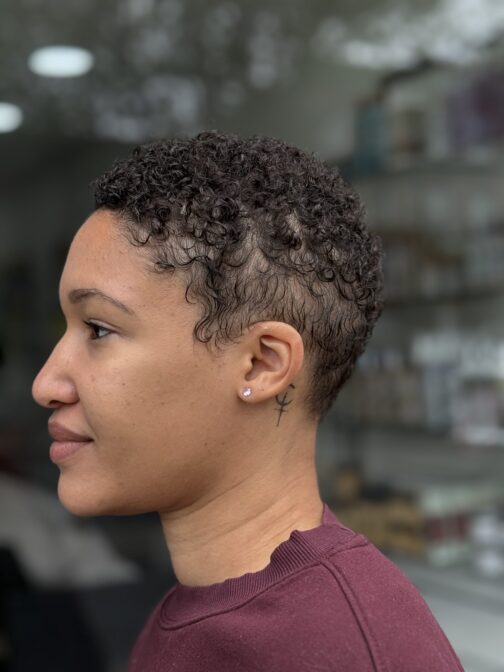
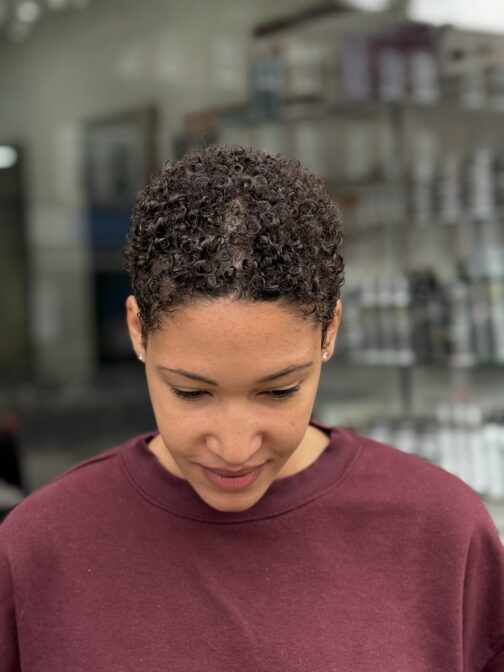
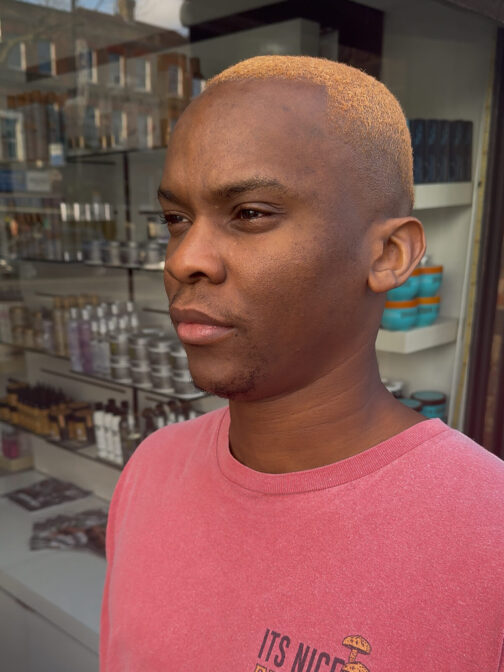
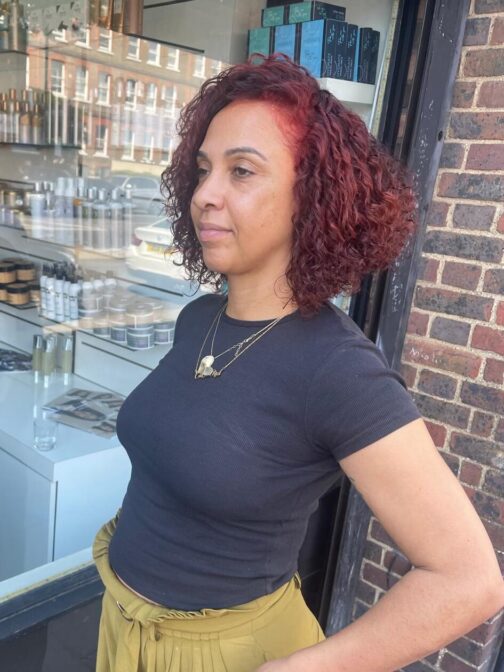
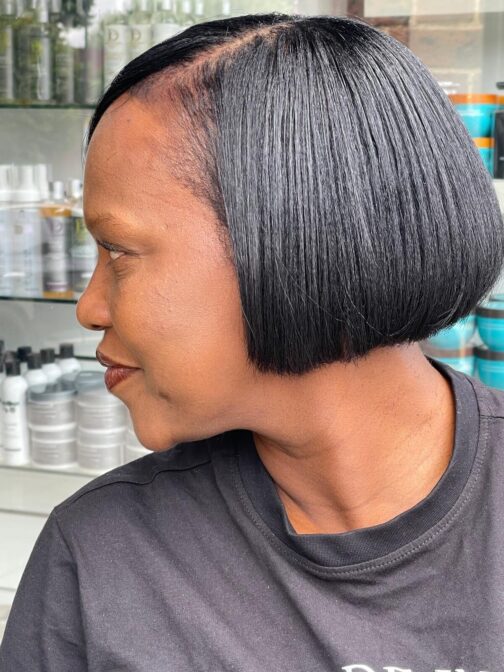
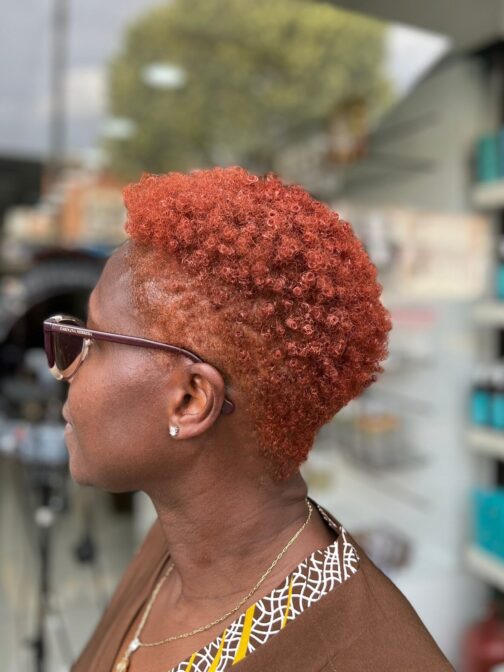
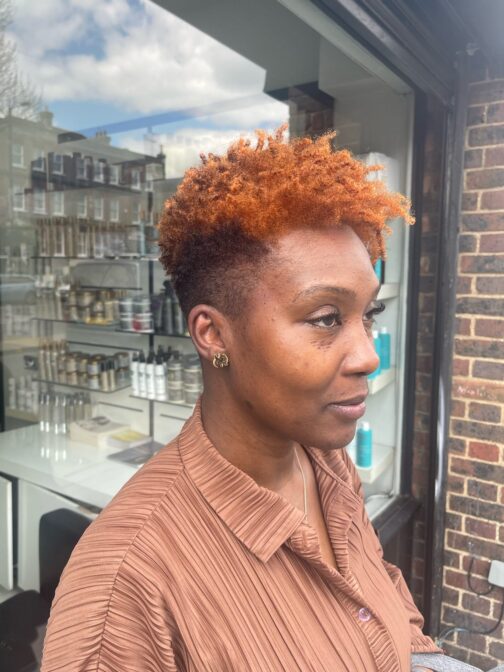
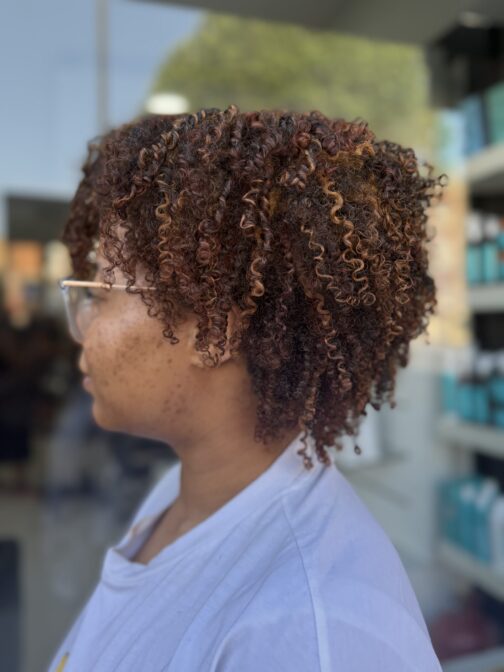
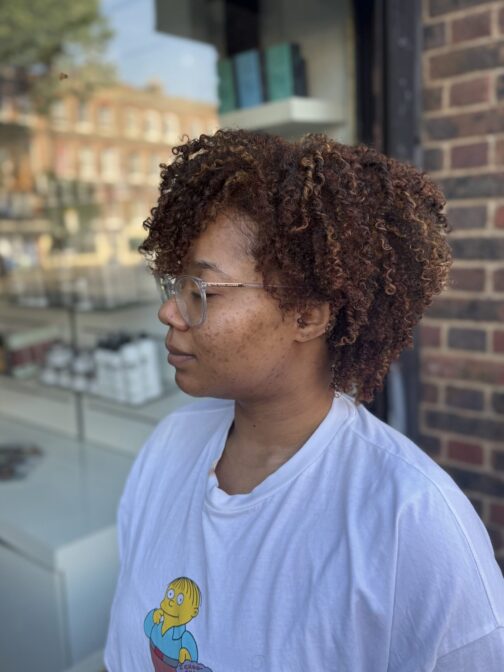
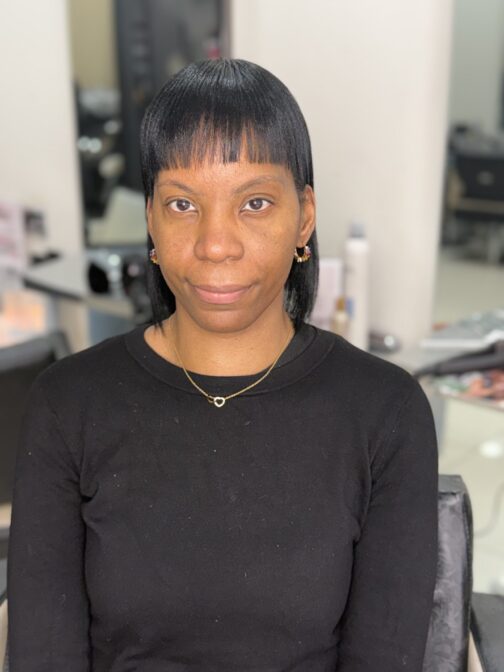
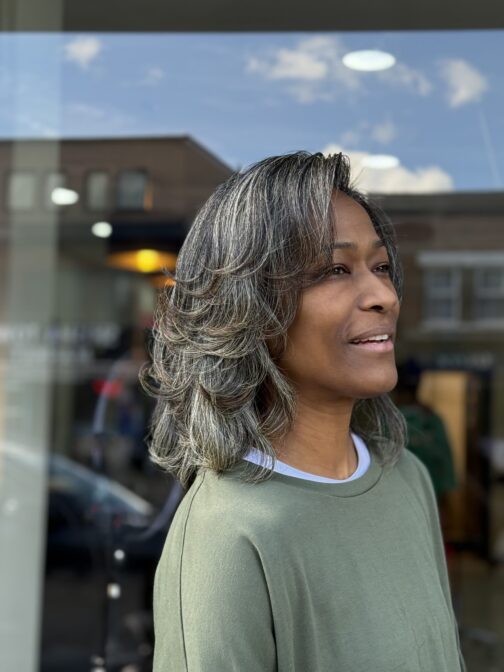
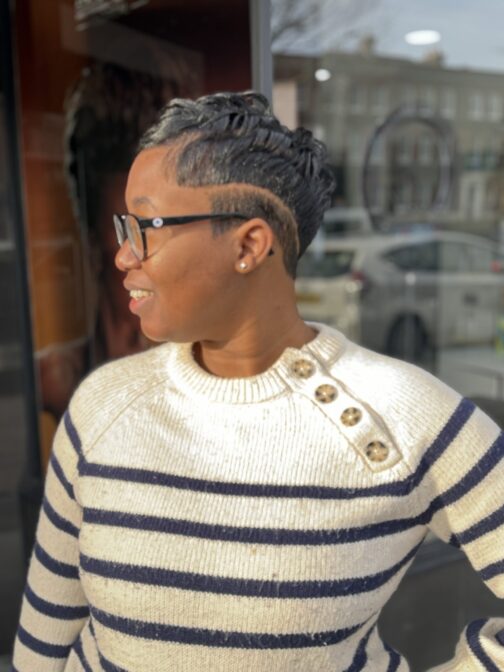
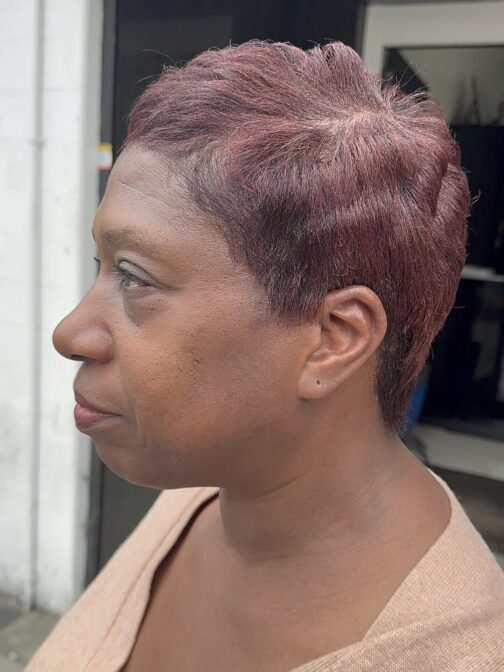
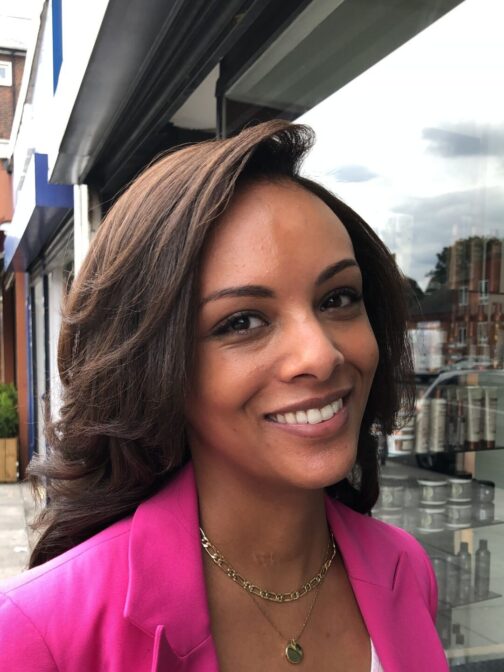
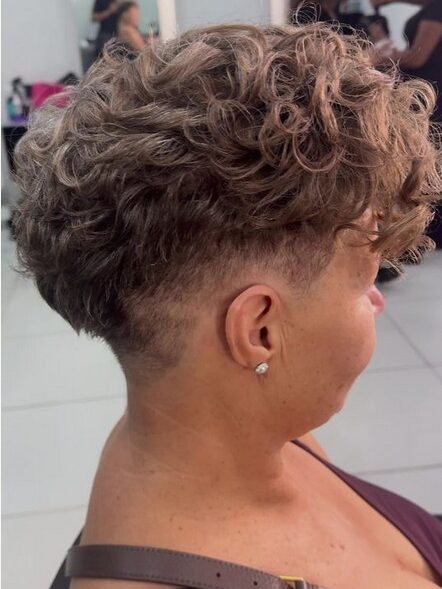
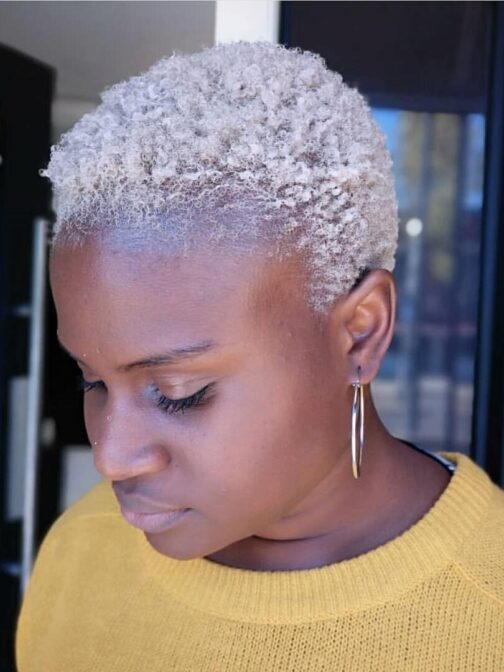
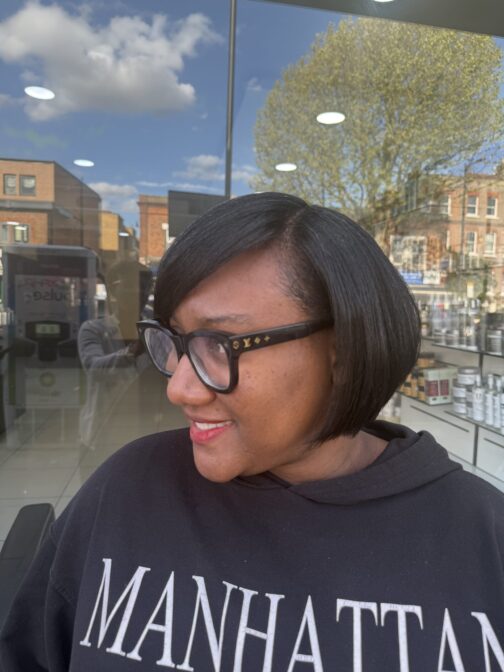
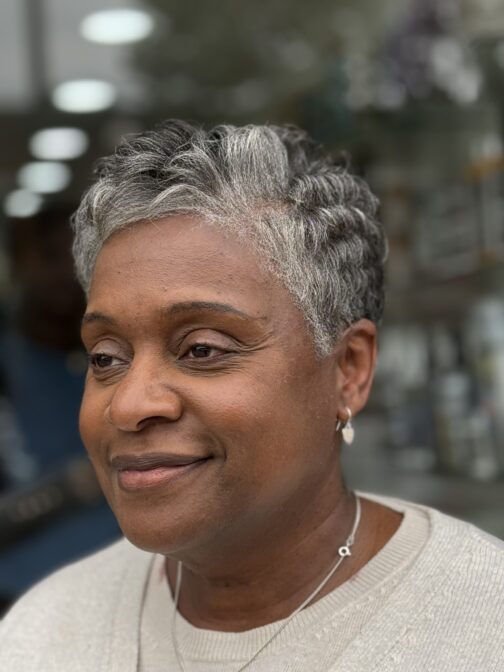
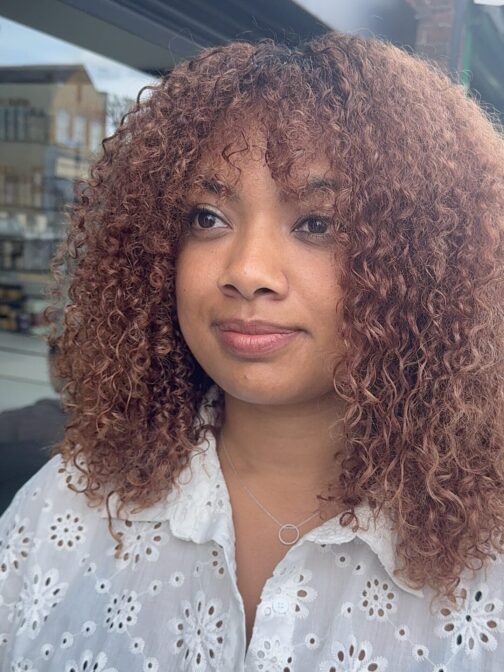
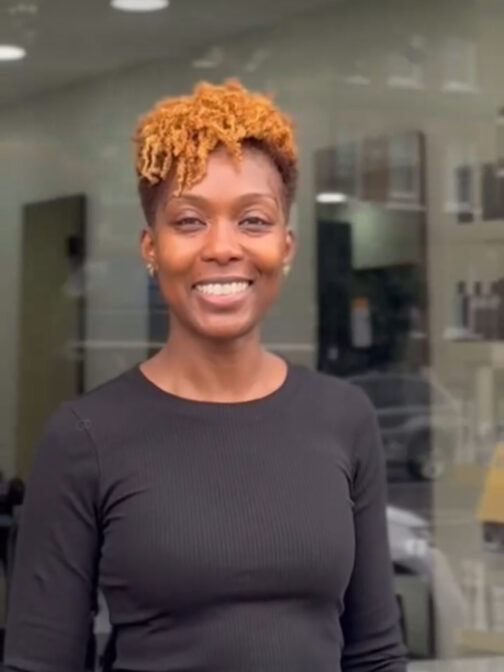
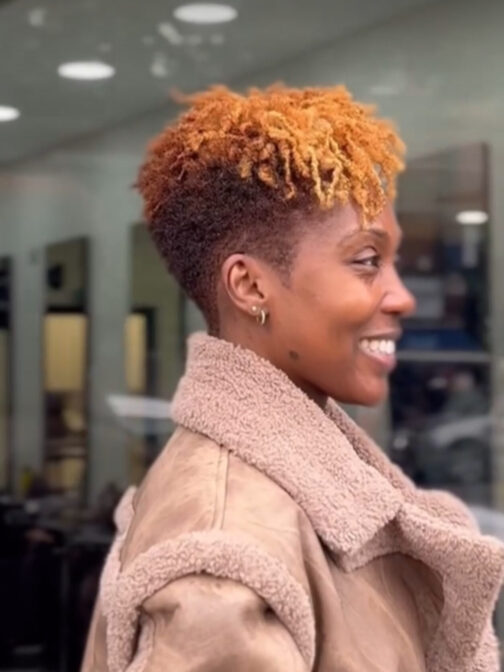
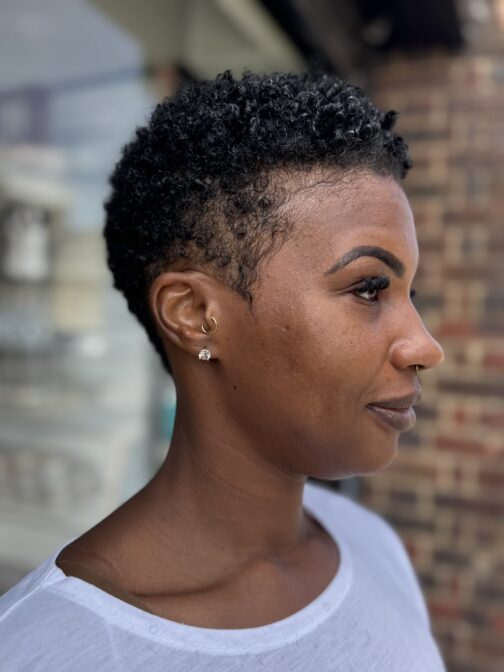
Excellent wash and blow dry from Rianna! 5*
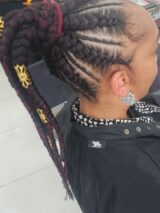
I had a great expereinece with Rianna who did my hair. She took her time to understand, advise me, and create my dersired braided hairstyle specifically for my hair needs. As well as this made me feel very comfatable and was a joy to speak to during my appointment. I left feeling great and very happy with the results and service recieved from Rianna. I would 100% visit again.

The best silk press from Rihanna. She’s lovely, good at her job, and genuinely cares about the health of the hair. Will be returning 😊

Rhianna was great! Very friendly, knowledgeable and made me feel at ease. 100% recommend!
Amazing Service. Rhianna was so gentle with my daughter, my daughter had such a great experience as it was her first time in a salon.
Rhianna, what a pleasure to meet you today. So professional and the best hair wash that I have had in ages. Thanks for your advice and I look forward to putting some colour in my hair. Love my silk press.
I'm a first time customer and my stylist was Rianna. The salon itself was a nice calm space to be in and spacious enough to be comfortable, not right up underneath any other clients. Rianna had a very warm and pleasant manner. She was professional and asked me about my hair care routine as well which styling products I preferred to use. She was open to directions which was great for me as I'm used to doing my hair myself. I enjoyed the experience and would not hesitate to return.
Rhianna what a pleasure to meet you today. So professional and the best hair wash that I have had in ages. Thanks for your advice and I look forward to putting some colour in my hair. Love my silk press
Second time that Solange has done my 7 year old daughter’s hair and also the second time that Rihanna has done my hair. They could not have been more attentive. An amazing job from both, I will always return. 10/10
Got a silk press by Rhianna who was lovely and did an amazing job! Super quick and impressed with the outcome. Was my first time in the salon and I will definitely go back.
This is my fourth time and Rihanna did my relaxer using the straightener to smooth my hair out . Also gave my advice about my hair .
I had an excellent experience. Will definitely come back again. Thank you Rihanna.
Rhianna was absolutely amazing as usual! she really cares about your hair needs and your goals with hair and makes you feel at ease. I’ve spent a lot of time trying to find a hairdresser like this and now I know I won’t be going anywhere else to get my hair done.
Rhianna is an absolute angel. she has great attention to detail, knows exactly what you want and makes you feel fab! I had spent a lot of time researching hair salons and hairdressers and I only wish I found her sooner!
Rhianna was my stylist today, she was lovely and warm, and her knowledge of hair was amazing. I received some great tips, she handled my hair with such care and explained every product she was using. the atmosphere at Afrotherapy is so chilled, clean and professional. Rhianna braided my hair to perfection, it’s so neat and I am very happy. I look forward to my next visit!
Rhianna handled my daughter’s first hairdressing experience really well. Thank you!
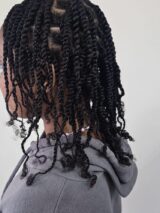
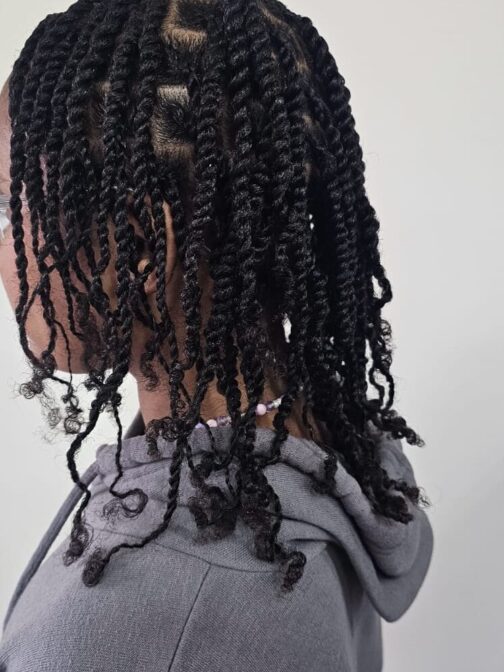
I recently had an incredible experience at the salon, where I had my hair done by Rihanna. From the moment I walked in, I was greeted with warmth and professionalism. The atmosphere was relaxing, and I particularly enjoyed the soothing head massage – it was the perfect start to my appointment Rihanna did a fantastic job with my twists; I absolutely love them! She took the time to understand exactly what I wanted and executed it flawlessly. Additionally, Joseph was also very friendly and professional, making the whole experience even more enjoyable I highly recommend this salon to anyone looking for a great hairstyle in a welcoming environment. I can't wait for my next visit
' I recently had an incredible experience at the salon, where I had my hair done by Rihanna. From the moment I walked in, bI was greeted with warmth and professionalism. The atmosphere was relaxing, and I particularly enjoyed the soothing head massage – it was the perfect start to my appointment Rihanna did a fantastic job with my twists; I absolutely love them! She took the time to understand exactly what I wanted and executed it flawlessly. Additionally, Joseph was also very friendly and professional, making the whole experience even more enjoyable I highly recommend this salon to anyone looking for a great hairstyle in a welcoming environment. I can't wait for my next visit
I have been looking for a salon that specialises with Toddlers and use chemical free products for a long time. Thank God I found Afrotherapy and Riana, Salon is clean and calm and made me myself completely at ease. I showed Riana a picture of the style my daughter chose and the result was even better, this took 2.5 hours as you can imagine , its hard for me to make my daughter seat still for 15mins , and Riana interacted with my daughter and achieved this milestone. The whole team st the salon were very professional . We have booked a follow in appointment. Thank you @afrotherapy for the pleasant 1st salon date for my lil one.
I'd like to personally thank Rhianna for her service. She's very professional, great at what she does and has such a bubbly personality. I would love for her to do my hair when I come back for my next texture release. (And I've been getting compliments on my hair all week!)
Words can’t describe the experience I had here let’s start by saying 10/10 my daughters pictures was the next day and we needed her hair done I travelled from Harrow Pinner for this salon and boy they didn't disappoint from the moment I got there the environment was as clean and welcoming the manager spoke to us asked us what we wanted and showed us to a seat my daughters hair stylist Rihanna her professionalism and patience displayed was astonishing as my daughter really cried but no once did she or anyone show frustration or irritation. I literally wish this salon was closer to me because the service was so amazing but I don’t care I’m happy to travel back anyone wanting their little ones hair done please find your way here the attention to details and professionalism is unmatched well done you guys I just want to thank you from the bottom of my heart for treating my daughter amazing we left with a beautiful hairstyle and tips on how to maintain it I couldn’t have asked for more 10 stars is not enough and I’m coming back for sure
Recent Work: (7)