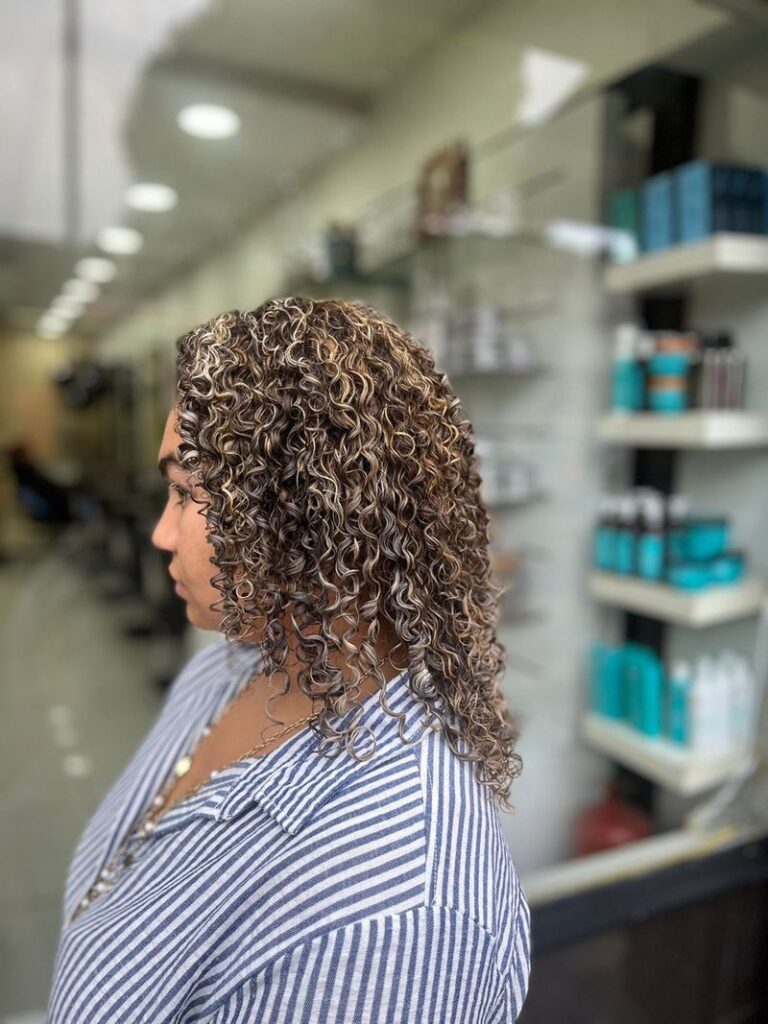
How Often Should You Really Trim Afro & Textured Hair?
What is Trimming and Why You Need It?
Hair trimming is one of the most misunderstood steps in a healthy hair care routine. Many people avoid it out of fear of losing length, while others trim too often without understanding why. In truth, proper trimming is not about cutting off growth, it’s about protecting it. When done correctly and at the right time, trimming helps maintain healthy, strong, and visibly longer hair.
In this article, we break down everything you need to know about hair trimming, including what it is, why it matters, how often you should trim your hair.
Remember for a healthy hair trim, you can visit Afrotherapy salon at 235 Fore Street, Edmonton, North London or call our amiable team on 020 8345 5621 to book a trim appointment.
What Is Hair Trimming?
Hair trimming is the process of cutting off a small portion of the hair ends, usually the damaged or weakened parts to maintain hair health and shape. Unlike a full haircut, trimming focuses specifically on the ends of the hair rather than altering length or style.
The primary purpose of trimming is to remove split ends, single-strand knots, thinning tips, and uneven or frayed ends that can lead to breakage if left untreated. Trimming keeps the hair looking neat while helping preserve overall hair strength.
Why Is Hair Trimming Necessary?
Trimming is essential because hair ends are the oldest and most fragile part of the hair strand. Over time, they experience wear from styling, washing, friction, heat, and environmental exposure.
Once the ends become damaged, they cannot repair themselves which is why trimming is necessary. It helps:
1. Prevent Split Ends from Traveling
Split ends do not stop on their own. If not trimmed, they continue splitting upward along the hair shaft, causing more breakage and thinning over time.
2. Reduce Breakage and Tangling
Damaged ends tangle easily, leading to knots that often break during detangling. Trimming removes these weak points and makes hair easier to manage.
3. Support Length Retention
Although trimming removes a small amount of hair, it actually helps retain length by preventing excessive breakage. Healthy ends hold on to length better than damaged ones.
4. Improve Hair Appearance
Regular trims give the hair a fuller, healthier look. Hair appears more even, smoother, and less frayed, especially for textured and natural hair types.
How Often Should You Trim Your Hair?
There is no universal trimming schedule that works for everyone. In reality, how often you should trim depends on your hair condition, styling habits, and overall hair care routine. Although there are standard timeframes, e.g every 8-12 weeks, it is best to trim based on needs than on timelines.
Some visible signs you might need a trim includes:
- Visible split ends
- Thinning or see-through ends
- Frequent tangling at the tips
- Hair that snaps easily when detangling
What Exact Length Should You Trim?
One of the biggest fears around trimming is losing too much length. The truth is, effective trimming usually requires removing very little hair. A recommended trimming length is 1/4 -1/2 inches for maintenance trims and up to 1 inch if there is visible damage.
If trims are done regularly and correctly, there should never be a need to cut off large sections of the hair. However, when damage is severe or has been ignored for a long time, more length may need to be removed to restore healthy ends.
The key to this is being precise and trimming only what is damaged, not healthy hair.
Can Trimming Be Excessive and When?
Yes, trimming can become excessive when it is done too frequently or without a clear reason. Over-trimming can slow down hair length progress and cause frustration, especially for those trying to grow their hair longer.
Trimming can become excessive when:
- Hair is trimmed every few weeks without signs of damage
- Large sections are cut off “just in case”
- Trims are done on healthy ends
- Hair is trimmed by someone who isn’t a professional or unfamiliar with textured hair needs
Excessive trimming often happens due to fear of split ends or misunderstanding hair growth. Healthy hair does not need constant cutting, on the contrary, it needs moisture, gentle handling, and protection.
Book A Trim Session At Afrotherapy Salon
Trimming should always be a supportive step, not the main focus of your hair routine. A healthy hair care regimen that includes proper cleansing, conditioning, moisture, low manipulation, and protective styling will reduce how often trimming is needed.
When trims are done intentionally and correctly, they help maintain hair integrity while allowing you to enjoy both healthy ends and steady length retention.
Trimming is an essential part of every hair journey hence, it is important to trim intentionally but especially, wisely. For a professional trim session visit Afrotherapy salon on 235 Fore Street, Edmonton, North London or call us on 020 8345 5621 to book an appointment.