Protective Styles: Facts, Myths and Styling Tips
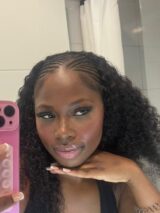
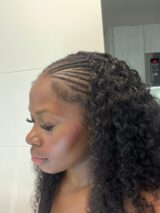
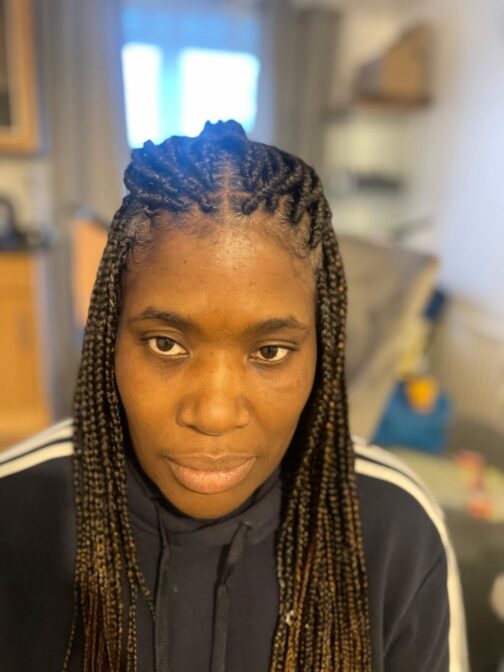
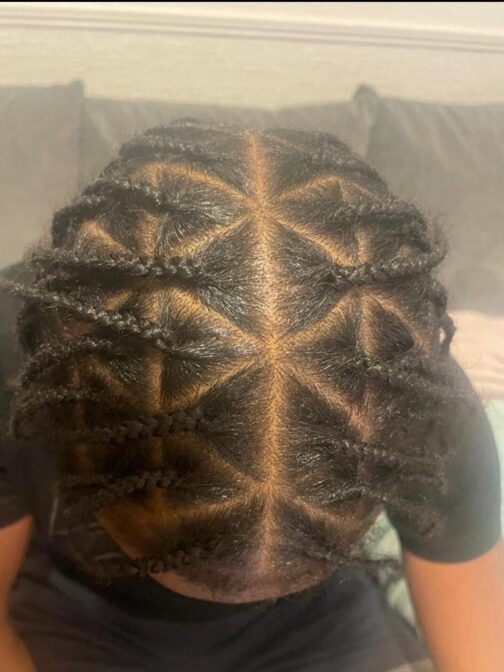
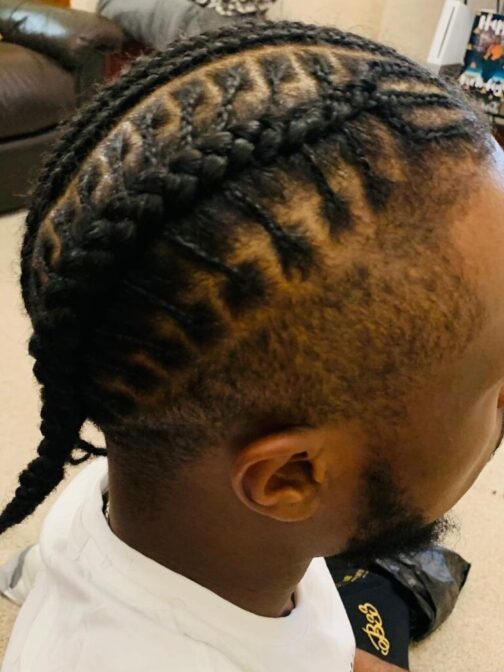
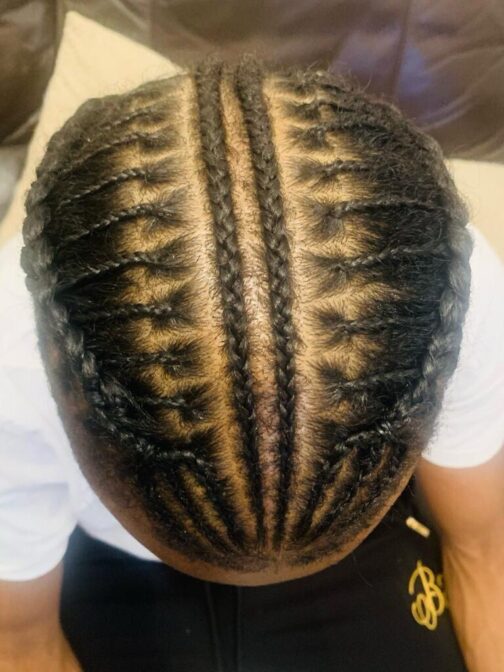
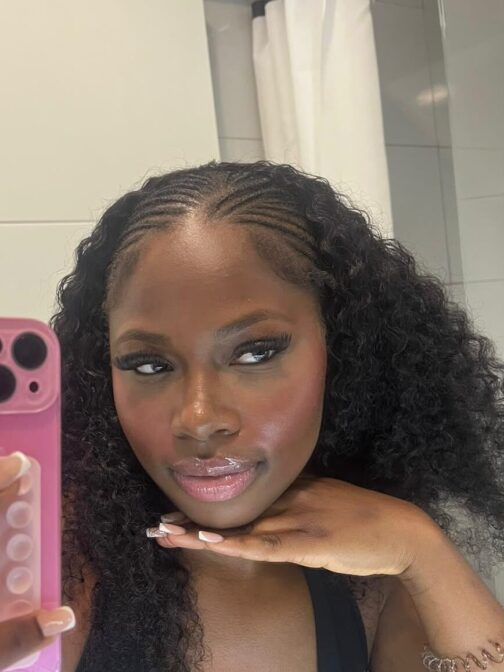
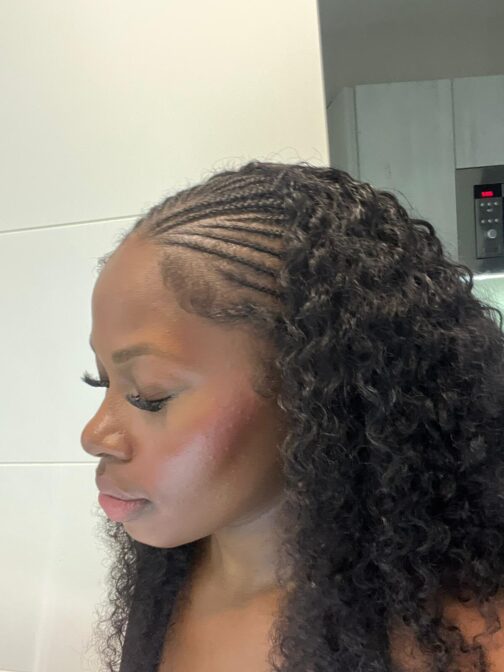
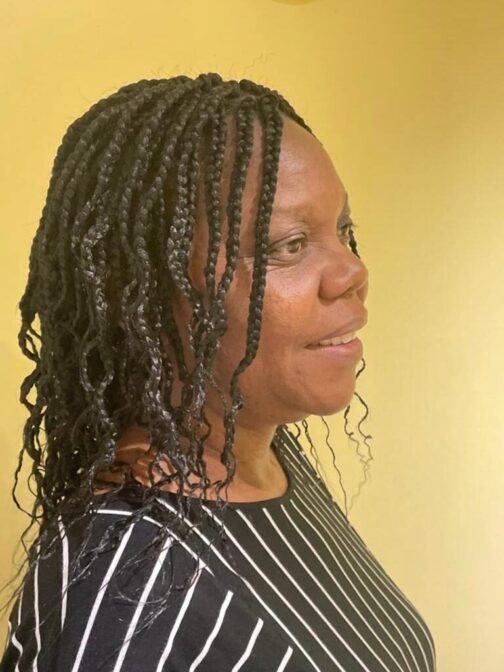
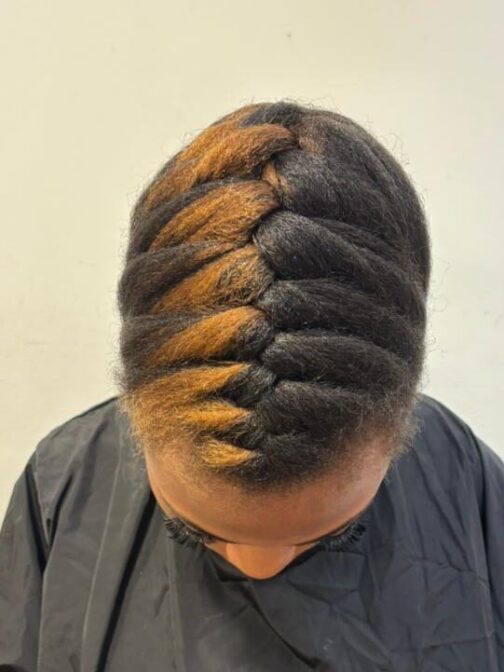
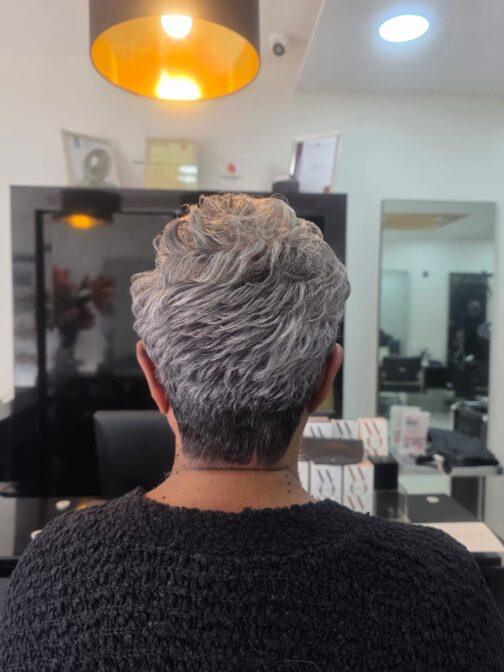
Recent Work: (3)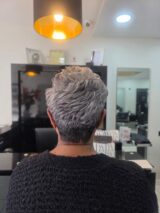

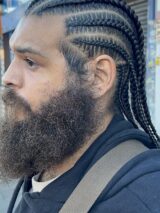
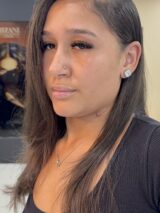
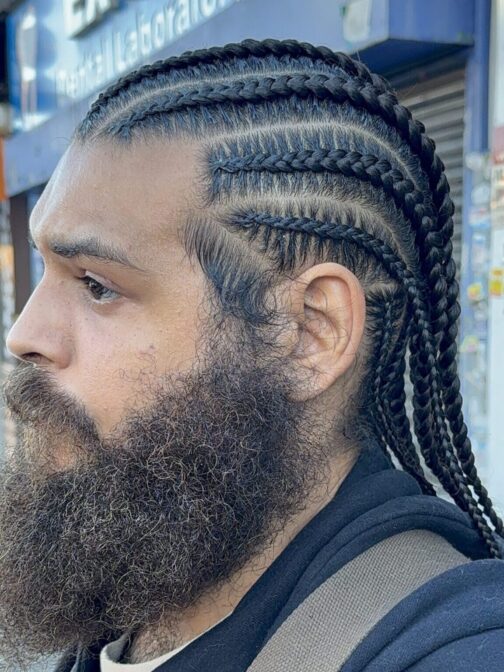
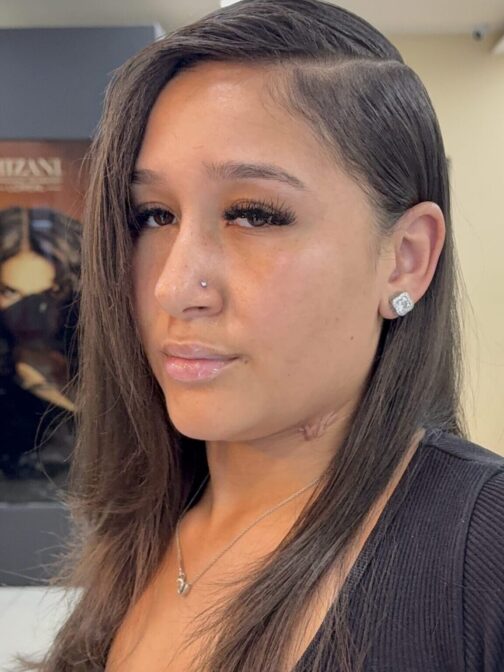


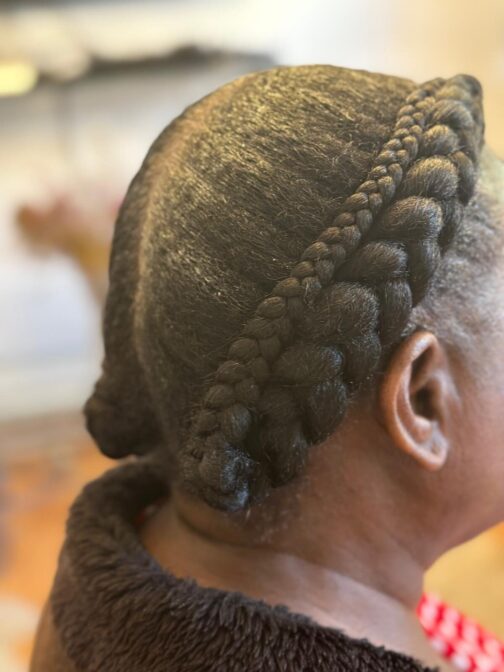
TL;DR: I had a wonderful experience at Afrotherapy! The staff were friendly, knowledgeable and skilled, I felt relaxed during the whole experience and I will DEFINITELY be going again . Thank you, Ree and Joseph! Full Review: Neurodivergent-friendly: 5/5 I didn’t tell the staff that I was neurodivergent, but I appreciated how naturally they adapted to my quietness. I never felt pressured to make conversation, although I became comfortable enough to find myself yapping! The salon was quite serene which I think it created a calm environment too. Hair knowledge: 5/5 I’m particular about who I trust with my hair, so I was a little nervous going in. I spoke with the owners, who have around thirty-five years of experience each, and their expertise was clear. They were knowledgeable about hair health and trichology, while also taking the time to explain things and answer my questions. They asked if I had any previous issues with my hair/things to consider. I learnt a lot about my routine and how I could improve my hair health. I also appreciated that my requests were taken into account. When I mentioned that I wanted a section of my hair to be shampooed more, they listened without making me feel awkward for asking. I felt both heard and reassured that my hair was in really experienced hands. Aesthetically 5/5 I had a wash, treatment and trim, and got it braided into two pretty braids! I left feeling confident and knowing my head was happy and healthy. It was also my birthday, and they gave me a complimentary treatment, which was a lovely touch. I would definitely recommend Afrotherapy!

The service was superb! Nice and efficient. The girls were amazing. Thank you! Will definitely come again.
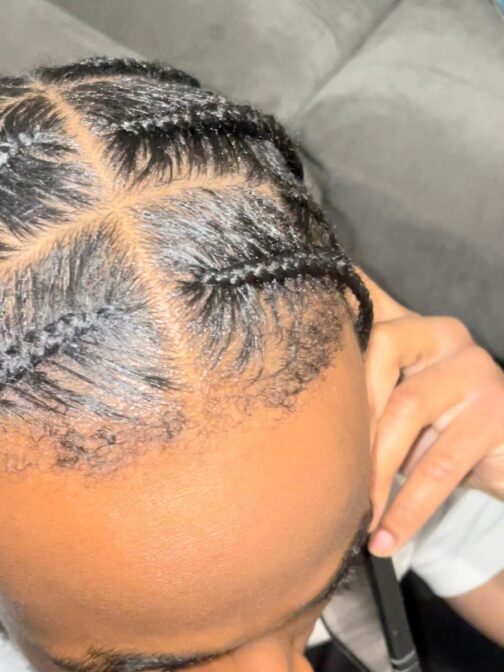
Had a lovely experience with Ree - did a wash, blow dry, trim and cornrows. Really happy with the results and plan on coming back. Thank you!
It was a good experience and a great service. I like how my stylist was patient and polite. Ari thank you

Went in for wig cornrows and my Nashree did a fantastic job, they’re nice and neat and should last a good while.
Nashree did a lovely job of making my hair gorgeous and healthy, twisting my natural hair. Thank you Nashree and Afrotherapy Team!!
The salon was very well maintained and clean. My hairdresser Nashree was great and I left the salon with my hair looking the best it’s has ever looked 10/10
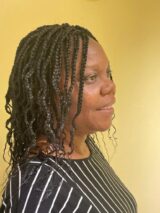
Recent Work: (11)
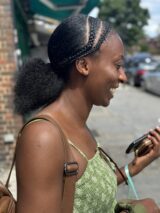
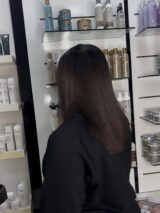
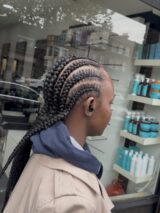
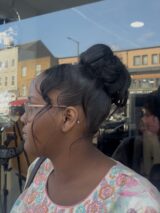
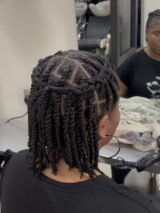
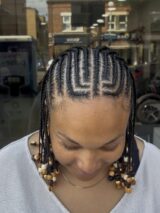
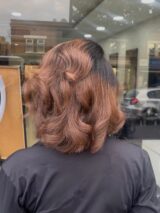
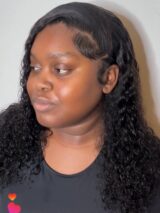
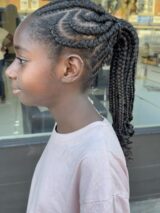
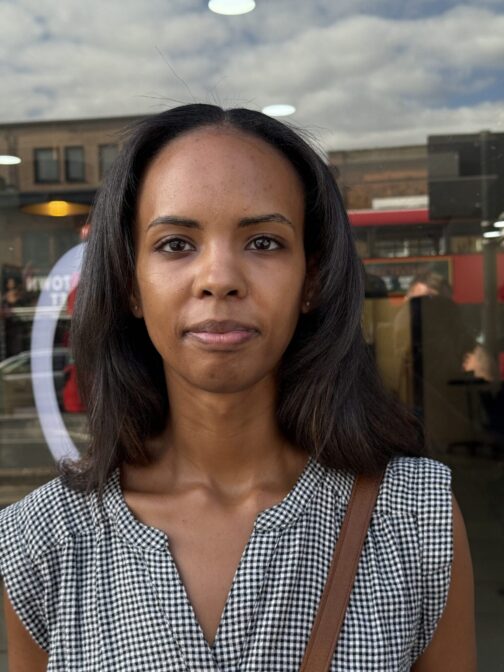
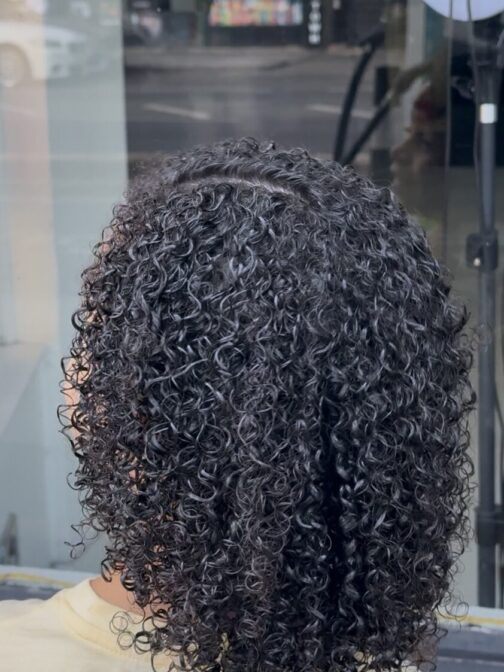
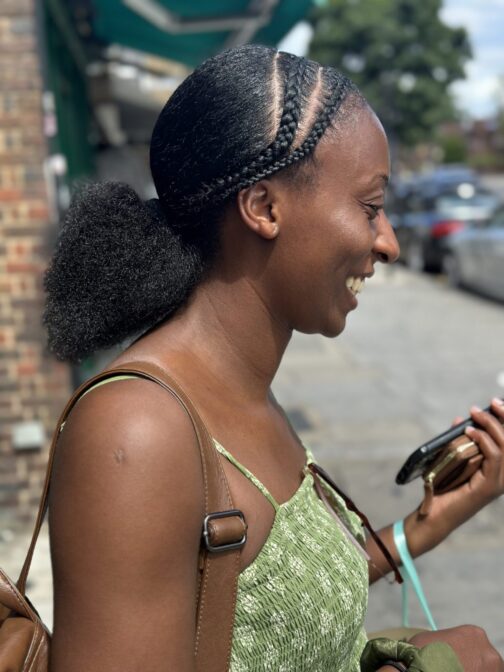
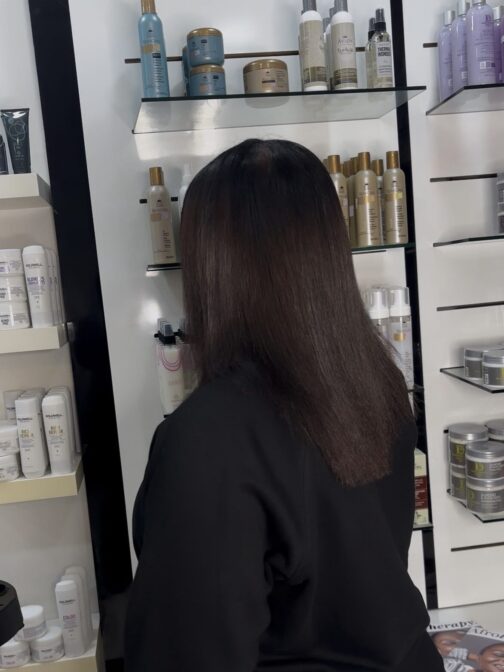
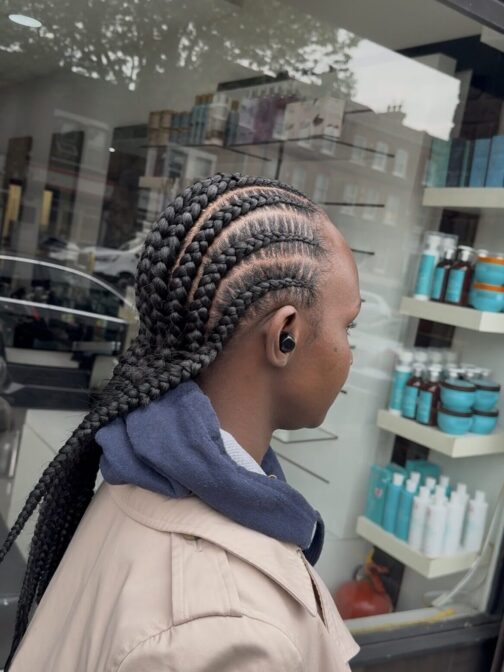
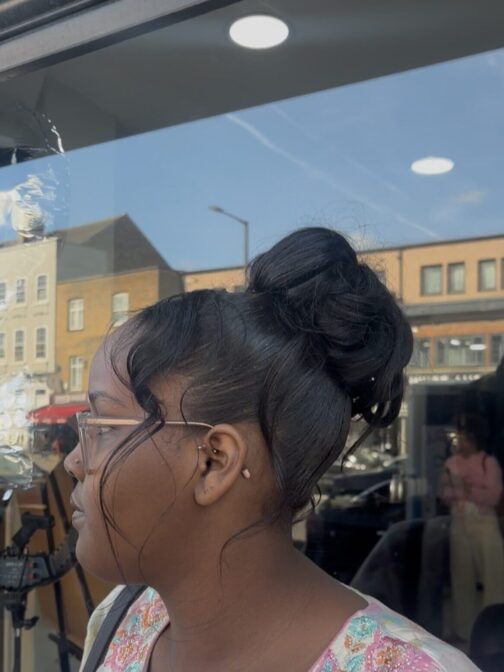
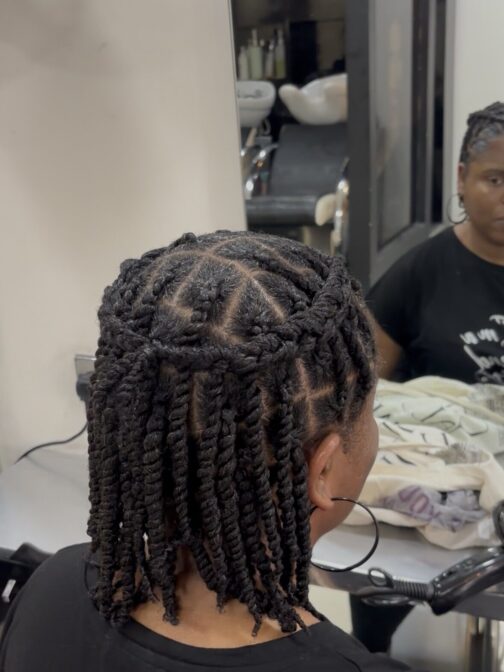
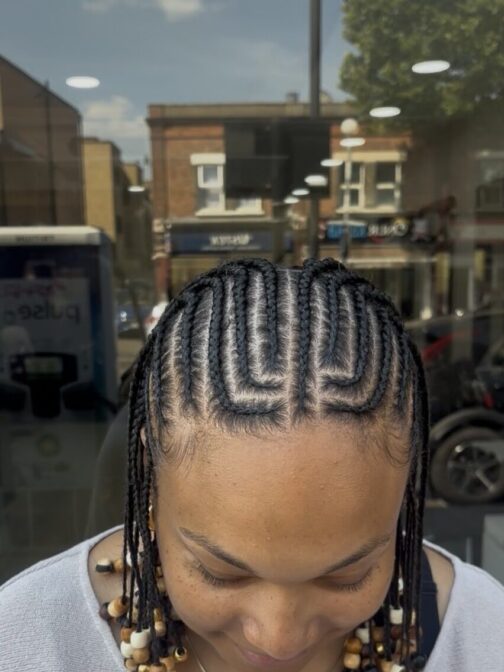
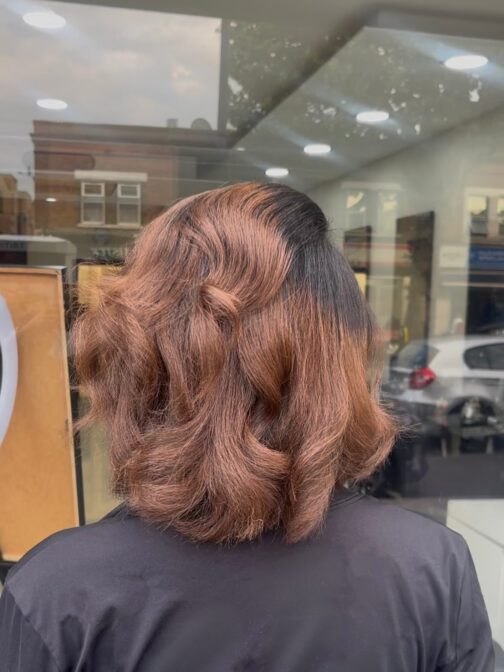
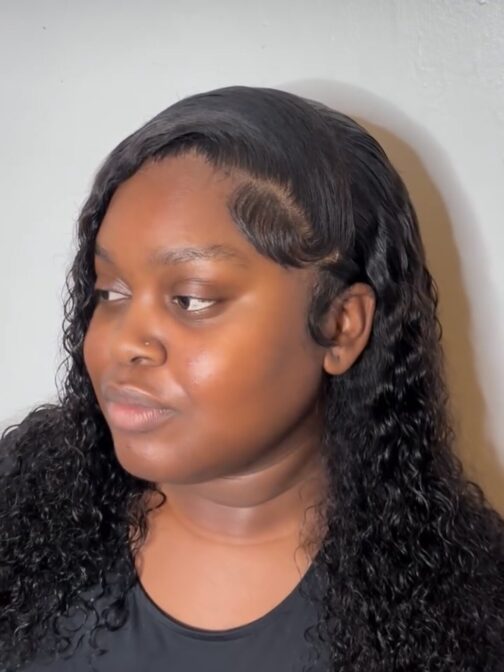
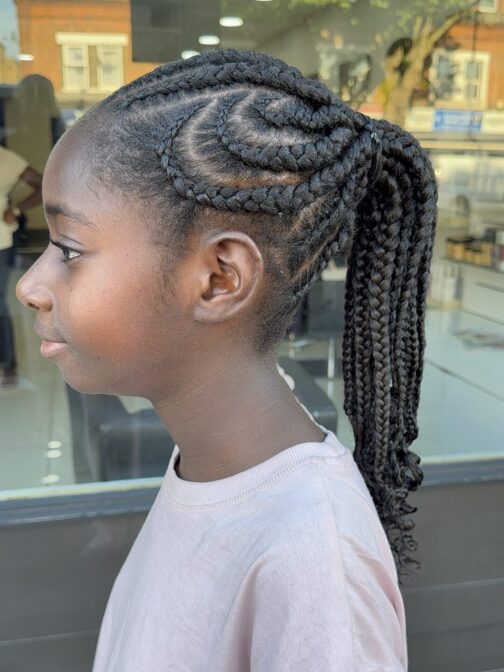

I originally booked a free consultation after having knotless boho braids done elsewhere that left the ends of my hair badly damaged. I was unsure about what to do next, but Rochelle immediately put me at ease. She listened to my concerns, took the time to assess my hair, and explained exactly what had happened and what would be needed to get it healthy again. She was incredibly knowledgeable and honest. Rochelle was also kind enough to fit me in the same day for a custom blend treatment, wash, blow dry, trim and straightening. I could already see and feel the difference after just one appointment. My hair looked and felt so much healthier. As this was my first visit, I wasn’t sure what to expect, but from start to finish I felt completely looked after. Rochelle is professional, caring, and passionate about healthy hair. The salon itself is lovely, and everyone there was so friendly and welcoming. I would highly recommend Rochelle and Afrotherapy salon to anyone looking for a stylist who truly cares about the health of your hair.

Went in for a silkpress with Rochelle and was very happy with the results, she did an amazing job of explaining her process and was very friendly. All the staff were very welcoming and professional and were very knowledgeable about haircare. Will definitely be visiting again and would highly recommend!

Rochelle was so attentive to my hair type, gave me great advice, and was extra careful with my sensitive scalp. I have never had my hair cut to bob length before and the result came out even better than I expected. I have never had such a nice silk press and have received so many compliments already!
I wash washed and styled by Rochelle, I had the best experience. She really took the time to understand my hair history, as the front sides of my hair were breaking. And I explained since coming to Afrotherapy the sides have started to grow back. Rochelle gave advice as to what could cause breakages and took a real interest into my hair journey. She made me feel at ease as soon as I sat down, which made the whole experience even better. Thank you Rochelle for your patience and time, will definitely be booking again.
Thank you Rochelle for my silk press! I love my hair and I will definitely be back soon very friendly atmosphere in salon, great punctuality, clean and well organised place is a big plus too! Amazing experience

Today my daughter got her hair done with Rochelle and the result was amazing!
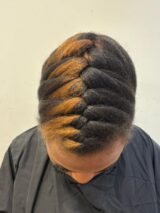
Recent Work: (10)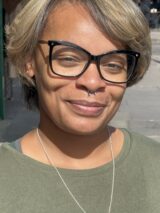
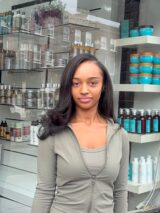
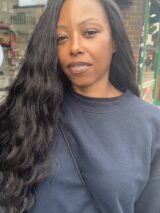
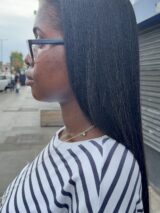
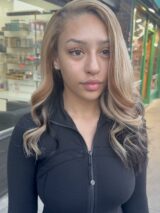
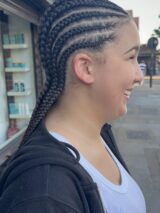
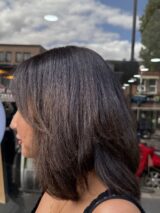
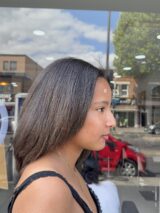
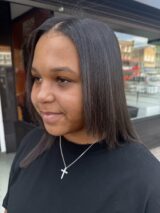
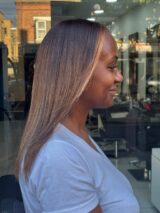
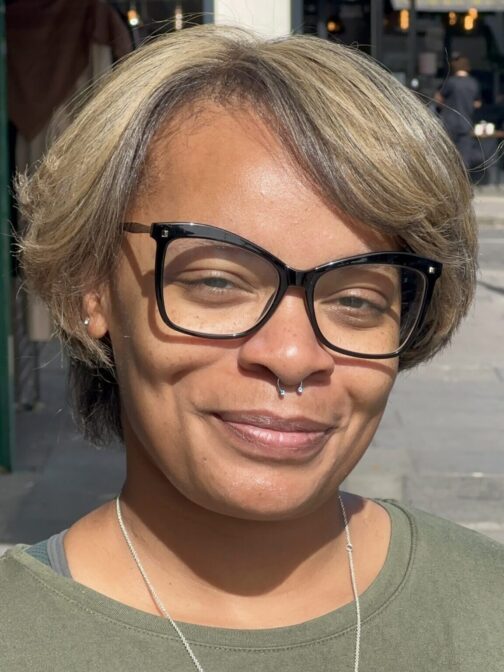
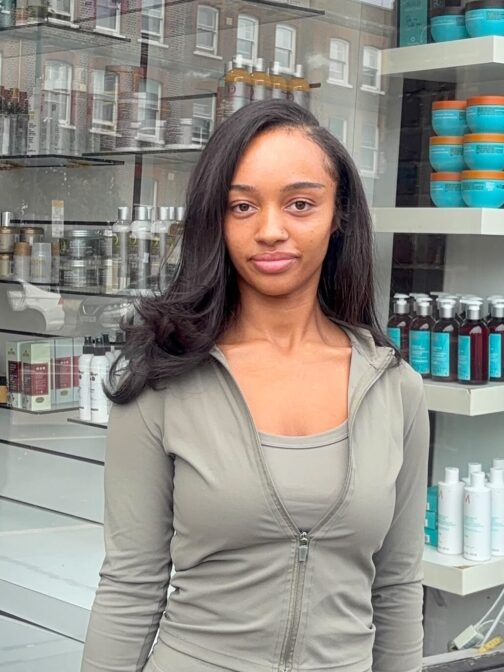
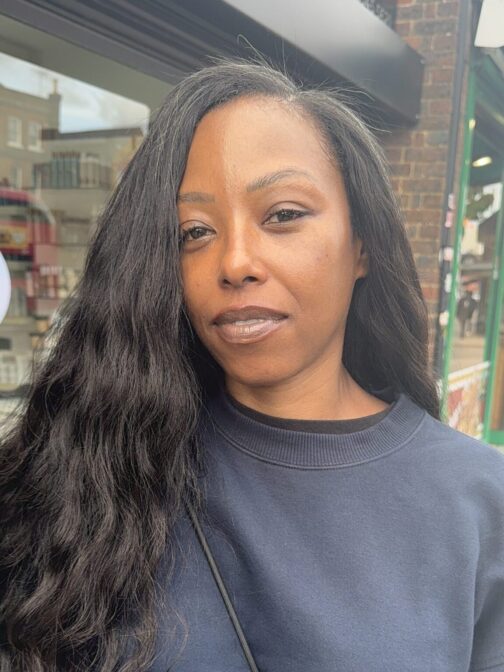
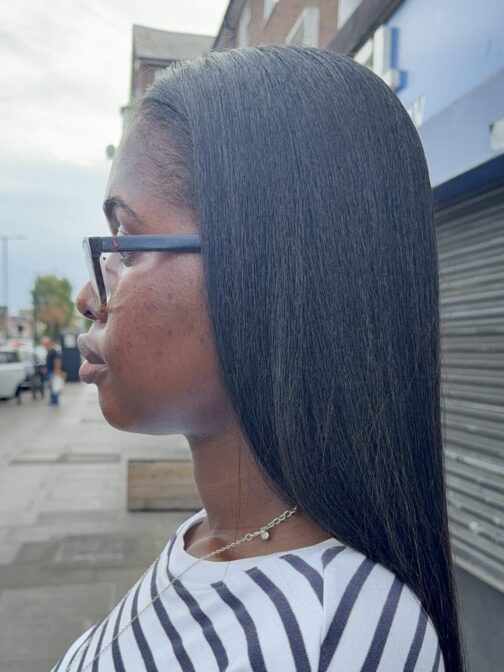
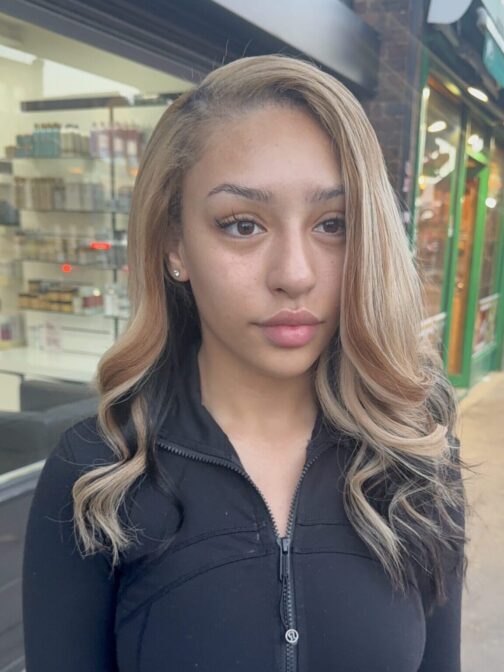
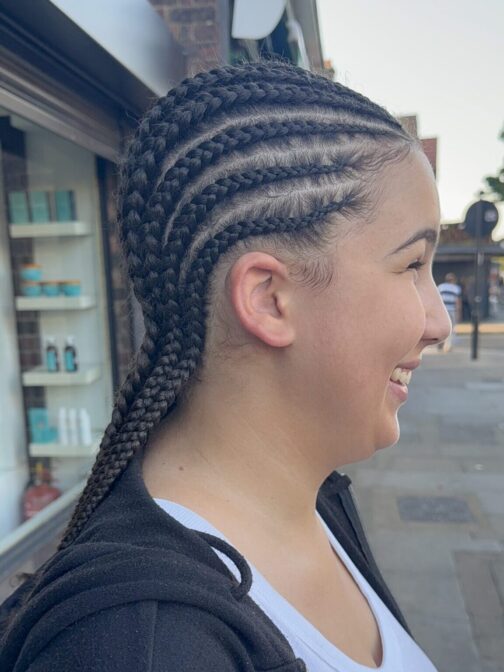
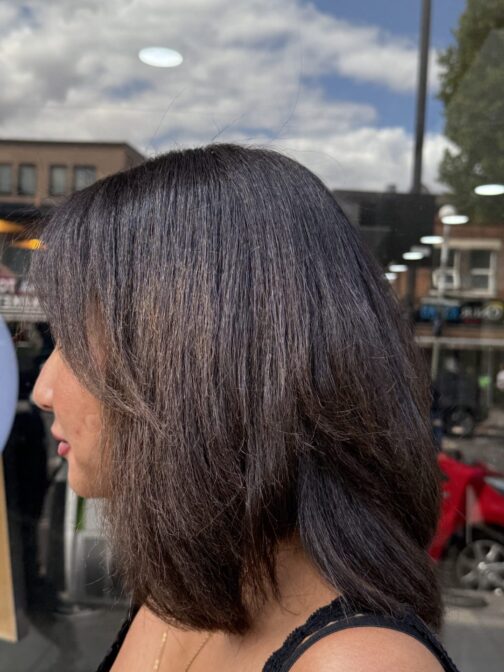
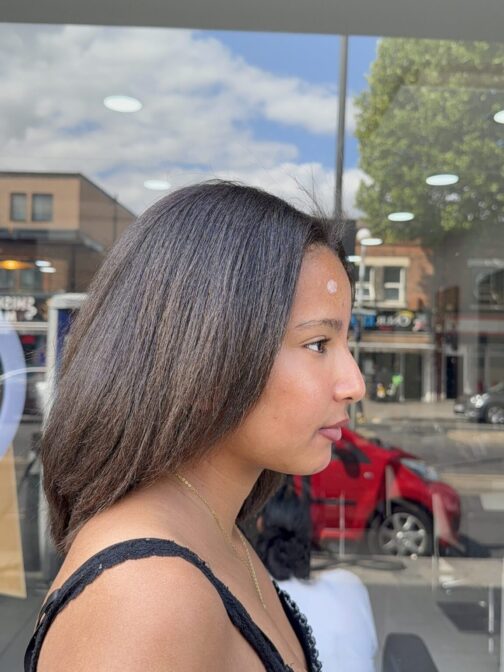
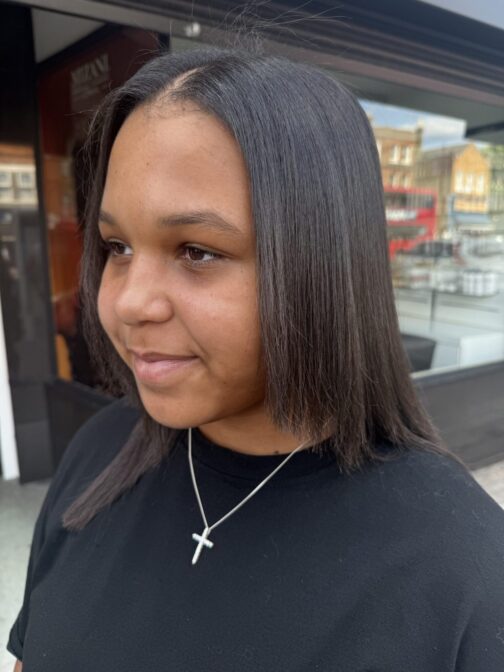
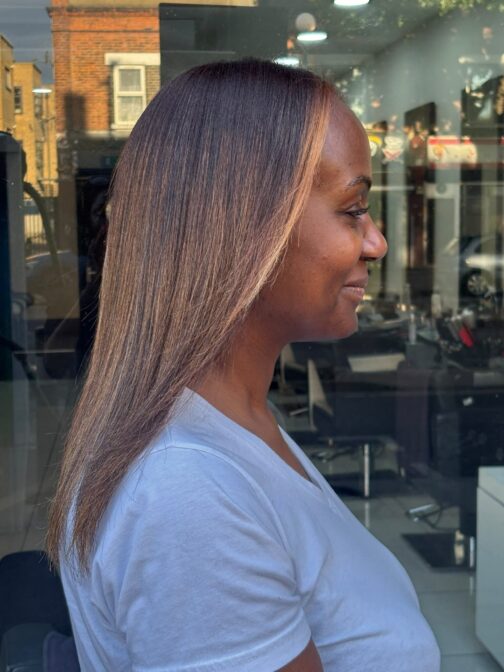
Excellent wash and blow dry from Rianna! 5*
I had a great expereinece with Rianna who did my hair. She took her time to understand, advise me, and create my dersired braided hairstyle specifically for my hair needs. As well as this made me feel very comfatable and was a joy to speak to during my appointment. I left feeling great and very happy with the results and service recieved from Rianna. I would 100% visit again.

The best silk press from Rihanna. She’s lovely, good at her job, and genuinely cares about the health of the hair. Will be returning 😊

Rhianna was great! Very friendly, knowledgeable and made me feel at ease. 100% recommend!
Amazing Service. Rhianna was so gentle with my daughter, my daughter had such a great experience as it was her first time in a salon.
Rhianna, what a pleasure to meet you today. So professional and the best hair wash that I have had in ages. Thanks for your advice and I look forward to putting some colour in my hair. Love my silk press.
I'm a first time customer and my stylist was Rianna. The salon itself was a nice calm space to be in and spacious enough to be comfortable, not right up underneath any other clients. Rianna had a very warm and pleasant manner. She was professional and asked me about my hair care routine as well which styling products I preferred to use. She was open to directions which was great for me as I'm used to doing my hair myself. I enjoyed the experience and would not hesitate to return.
Rhianna what a pleasure to meet you today. So professional and the best hair wash that I have had in ages. Thanks for your advice and I look forward to putting some colour in my hair. Love my silk press
Second time that Solange has done my 7 year old daughter’s hair and also the second time that Rihanna has done my hair. They could not have been more attentive. An amazing job from both, I will always return. 10/10
Got a silk press by Rhianna who was lovely and did an amazing job! Super quick and impressed with the outcome. Was my first time in the salon and I will definitely go back.
This is my fourth time and Rihanna did my relaxer using the straightener to smooth my hair out . Also gave my advice about my hair .
I had an excellent experience. Will definitely come back again. Thank you Rihanna.
Rhianna was absolutely amazing as usual! she really cares about your hair needs and your goals with hair and makes you feel at ease. I’ve spent a lot of time trying to find a hairdresser like this and now I know I won’t be going anywhere else to get my hair done.
Rhianna is an absolute angel. she has great attention to detail, knows exactly what you want and makes you feel fab! I had spent a lot of time researching hair salons and hairdressers and I only wish I found her sooner!
Rhianna was my stylist today, she was lovely and warm, and her knowledge of hair was amazing. I received some great tips, she handled my hair with such care and explained every product she was using. the atmosphere at Afrotherapy is so chilled, clean and professional. Rhianna braided my hair to perfection, it’s so neat and I am very happy. I look forward to my next visit!
Rhianna handled my daughter’s first hairdressing experience really well. Thank you!
I recently had an incredible experience at the salon, where I had my hair done by Rihanna. From the moment I walked in, I was greeted with warmth and professionalism. The atmosphere was relaxing, and I particularly enjoyed the soothing head massage – it was the perfect start to my appointment Rihanna did a fantastic job with my twists; I absolutely love them! She took the time to understand exactly what I wanted and executed it flawlessly. Additionally, Joseph was also very friendly and professional, making the whole experience even more enjoyable I highly recommend this salon to anyone looking for a great hairstyle in a welcoming environment. I can't wait for my next visit
' I recently had an incredible experience at the salon, where I had my hair done by Rihanna. From the moment I walked in, bI was greeted with warmth and professionalism. The atmosphere was relaxing, and I particularly enjoyed the soothing head massage – it was the perfect start to my appointment Rihanna did a fantastic job with my twists; I absolutely love them! She took the time to understand exactly what I wanted and executed it flawlessly. Additionally, Joseph was also very friendly and professional, making the whole experience even more enjoyable I highly recommend this salon to anyone looking for a great hairstyle in a welcoming environment. I can't wait for my next visit
I have been looking for a salon that specialises with Toddlers and use chemical free products for a long time. Thank God I found Afrotherapy and Riana, Salon is clean and calm and made me myself completely at ease. I showed Riana a picture of the style my daughter chose and the result was even better, this took 2.5 hours as you can imagine , its hard for me to make my daughter seat still for 15mins , and Riana interacted with my daughter and achieved this milestone. The whole team st the salon were very professional . We have booked a follow in appointment. Thank you @afrotherapy for the pleasant 1st salon date for my lil one.
I'd like to personally thank Rhianna for her service. She's very professional, great at what she does and has such a bubbly personality. I would love for her to do my hair when I come back for my next texture release. (And I've been getting compliments on my hair all week!)
Words can’t describe the experience I had here let’s start by saying 10/10 my daughters pictures was the next day and we needed her hair done I travelled from Harrow Pinner for this salon and boy they didn't disappoint from the moment I got there the environment was as clean and welcoming the manager spoke to us asked us what we wanted and showed us to a seat my daughters hair stylist Rihanna her professionalism and patience displayed was astonishing as my daughter really cried but no once did she or anyone show frustration or irritation. I literally wish this salon was closer to me because the service was so amazing but I don’t care I’m happy to travel back anyone wanting their little ones hair done please find your way here the attention to details and professionalism is unmatched well done you guys I just want to thank you from the bottom of my heart for treating my daughter amazing we left with a beautiful hairstyle and tips on how to maintain it I couldn’t have asked for more 10 stars is not enough and I’m coming back for sure
Recent Work: (7)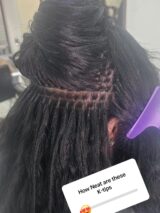
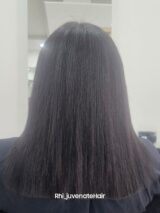
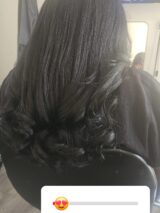
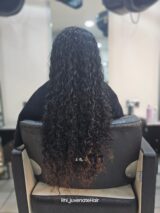
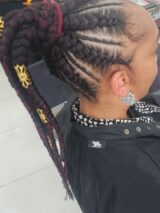
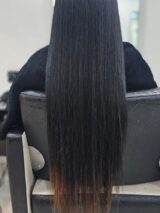
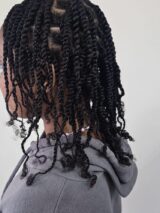
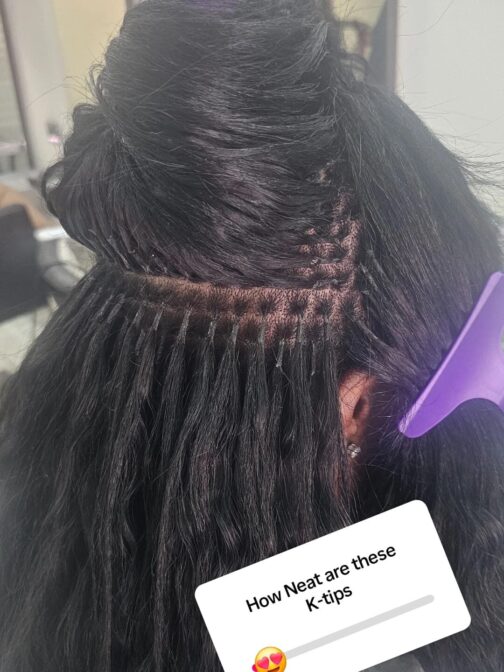
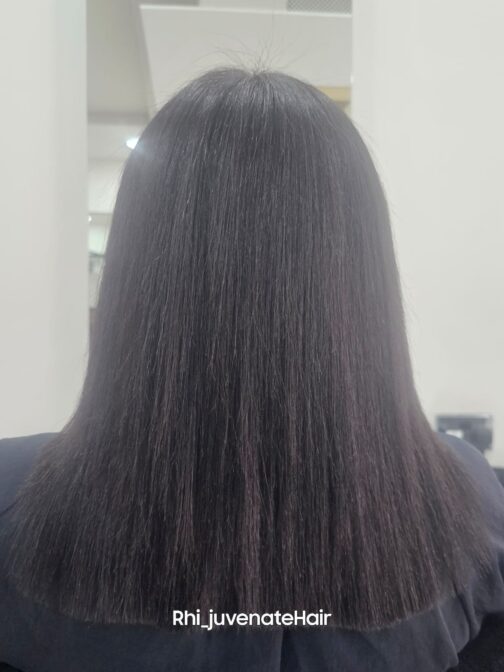
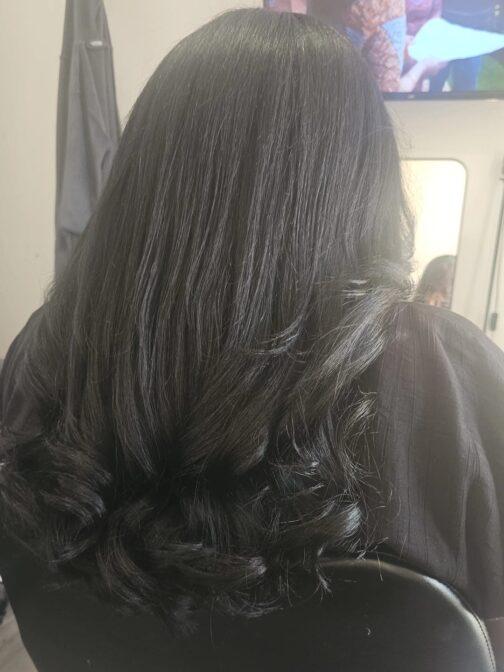
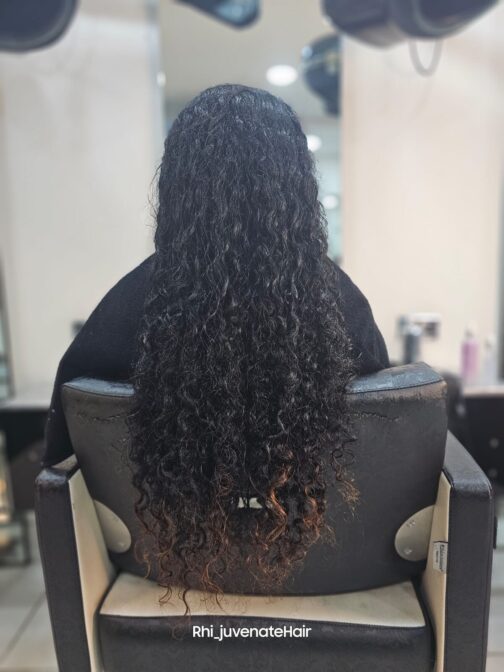
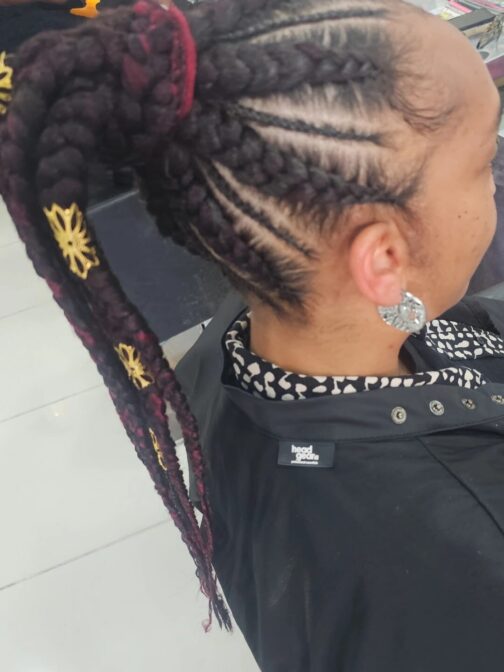
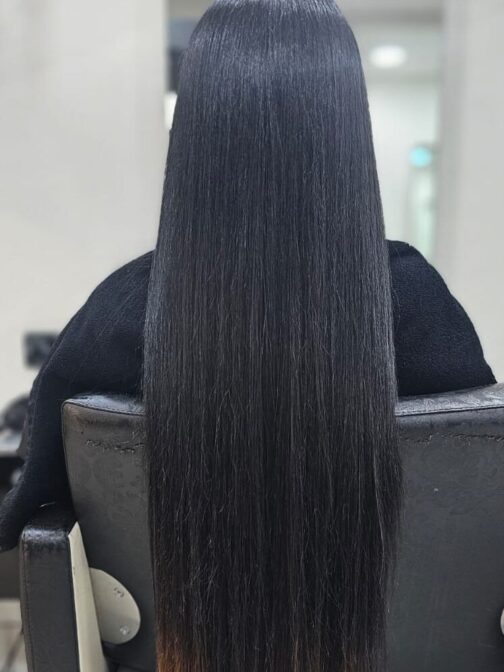
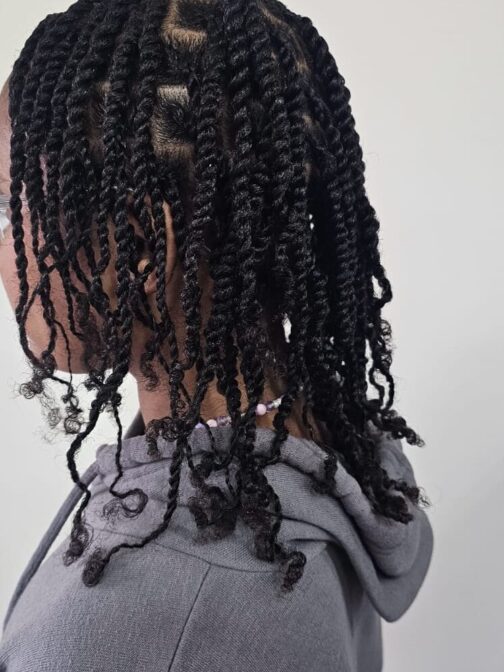

Amazing, incredible, super professional, most comprehensive consultation I've ever had. Super relaxing treatment with high standard professional products and a sensational final style. Expectations exceeded with this one!
The team were all very nice. Been my daughter’s and I 1st visit, it was a pleasant experience. Natasha washed and applied treatment to my hair, whilst advising how best to care for it. Roshelle did my daughters hair, trim and silk press, and she was very happy with the result. Harriet did my hair and she was pleasant, I loved the result. Only thing I would ask for would be a bit more firmness when washing the hair to get to the scalp properly. It was a good experience and I would be returning.

Discussed my problems with my hair, Natasha was very helpful and honest. Excited for the hair journey ahead ☺️.
Firstly, Happy 25th Anniversary. That is an achievement in itself. I give extra thanks to Natasha for the very special care she took of my hair today!! I watched her practice on a mannequin to get the curlers in correct formation, now she has perfected her skill onto my hair. A excellent
Fantastic service. I felt loved and cared for by Natasha. Joseph did my hair I walked out feeling amazing and beautiful Thank you

Natasha was lovely, informative! She made me and my hair feel very special. Well worth the treat I gave myself.

Natasha was great. Thank you Afrotherapy Salon.

God bless Natasha. So sweet mannered so good with my hair. It was short notice as well. My hair was quite complex with some issues due to cutting it off and reattaching. She sorted it out and had great expertise too. I appreciate her. Jennifer was very helpful also too and the young whitw girl is very sweet bless her xx
I brought my son to the salon for his first trim. He was very nervous and upset and the staff were excellent with him. Natasha greeted us and was very flexible with fitting us in early. Harriet did a great job trimming his hair and adapting to his needs. Would highly recommend.
Lovely people and a ultra professional staff. Natasha provided a great service from start to finish ⭐
Met with Natasha to do my hair, wonderful service, nice talk and very friendly vibes
Excellent products and good service from Natasha

My 7 yrs old daughters first time at this salon. I dont like to use hair salons for my daughter due to her having a sensitive scalp, however she needed a good treatment and a trim. I found this salon on Google, checked out their reviews and thought ok it has great reviews so let me check it out, well im glad I did! Natasha was amazing dealing with the treatment side of things, she was patient with my 7 yr old , very professional and sweet. I didn't catch the other lady's name , however she blow dried and trimmed my daughters hair and again very patient and professional, even gave me great advice for my daughters hair. Thank you ladies for a great experience, I will definitely be bringing my daughter back soon 😀

It was my son's first time ever at a hair salon. The staff were warm and accommodating. Natasha was especially fantastic. Her kind demeanour and attentiveness to my son, taking time with him (and his tender scalp) was especially reassuring. The calm environment added to the positive experience. My son's hair looks healthy and happy - we're definitely pleased. Thank you, Afrotherapy.

I always have a wonderful experience at this salon. Natasha is fantastic—extremely knowledgeable, attentive, and considerate. She made the visit enjoyable from start to finish. I’ll definitely be returning!
My daughter had her hair done today and I was very please. Natasha was brilliant with my daughter, she washed her hair and was gentle in blow drying and doing canerow. Shantay was also amazing with her customer service and helping. Both ladies were great friendly and enraged with my children . One happy mother, and definitely will be returning to these two ladies.
Recent Work: (12)