Moisture Vs. Protein: What Does Your Hair Really Need?
Moisture or Protein: What is the balance?
When it comes to healthy hair, especially textured, natural, or relaxed hair, two words come up again and again: moisture and protein. Many people use them interchangeably or focus heavily on one while neglecting the other. The truth is, your hair needs both, but not always in the same amounts.
Understanding the difference between moisture and protein, what they do, and when your hair needs one more than the other is key to preventing breakage, dryness, and unnecessary hair damage.
For advise and professional test to know what your hair really needs, visit Afrotherapy salon at 235 Fore Street, Edmonton, North London or call our friendly team on 020 8345 5621 to book a treatment.
What Is Moisture in Hair Care?
Moisture refers to hydration, the water content in your hair strands. Hair that is properly moisturised is soft, flexible, shiny, and easy to manage. Moisture treatments help the hair bend and stretch without snapping, which is especially important for curly, coily, and kinky hair types.
Moisture usually comes from water-based products, leave-in conditioners, hair steaming and proper sealing of the hair with oils and butters. Without enough moisture the hair becomes dry, brittle, dull and prone to breakage.
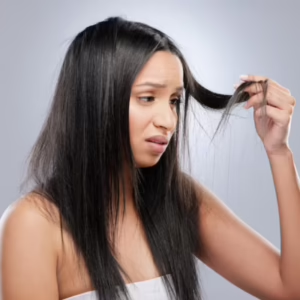
Your hair is probably lacking moisture if it feels dry even after applying products, looks dull and rough, tangles a lot and your hairstyles don’t last long.
What Is Protein in Hair Care?
Protein is the structure and strength of your hair. Hair strands are made up of keratin, a type of protein. Protein treatments help repair weak or damaged areas of the hair shaft, making the hair stronger and more resilient.
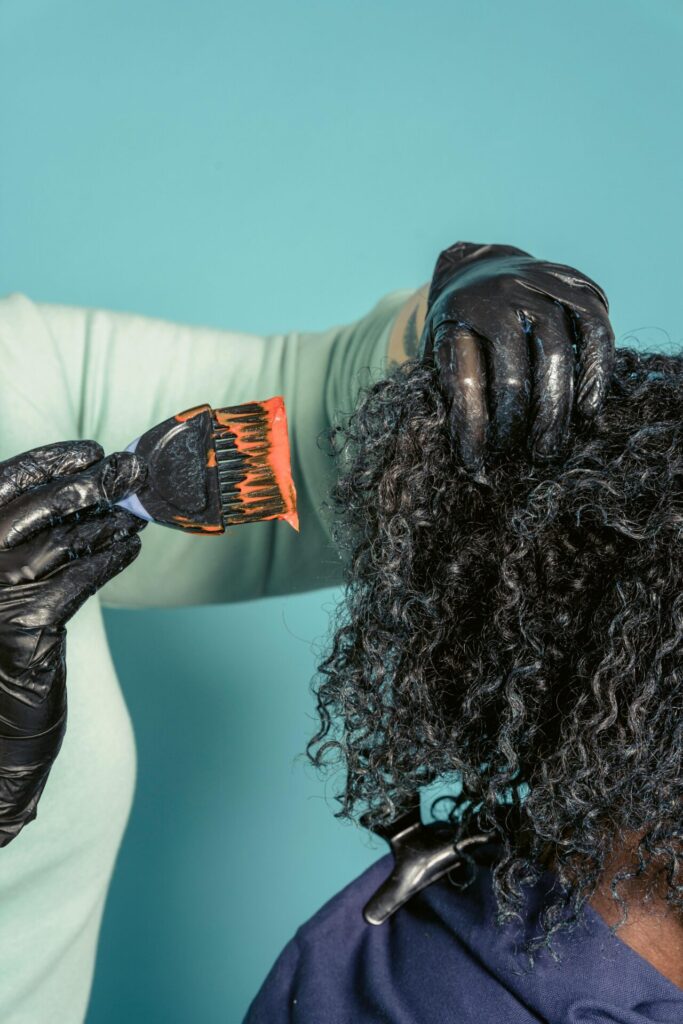
Protein is especially important if your hair has been chemically processed (under relaxers, colour or bleach), frequently heat styled, overly manipulated, exposed to environmental stress like sun or pollution.
Your hair may need protein if it gets too soft and mushy when wet, breaks during detangling, feels weak and lifeless and styles don’t hold. In this case, adding moisture alone will not fix the problem, your hair needs strengthening. Protein treatments work by temporarily filling in weak spots in the hair strand with keratin, adding nutrients and strengthening the hair.
Moisture vs. Protein: Understanding the Balance
“Too much of everything is detrimental.” This is not only a general rule, but works in achieving a healthy hair as well. Healthy hair thrives on balance, not extremes. Too much moisture can make the hair weak and limp, while too much protein can make the hair hard, stiff, and prone to breakage.
This balance is often referred to as moisture–protein balance, and it varies from person to person based on the hair type, lifestyle, and hair history.
How to Know What Your Hair Needs Right Now
To know what your hair needs often require something called a strech test which we recommend to be done professionally. However, a simple way to check is to weigh the following.
When Hair Has Too Much Moisture
Your hair may be overloaded with moisture when it
- Feels overly soft
- Breaks easily despite being “soft”
- Refuses to hold styles
- Feels gummy when wet
In this case, adding a light to moderate protein treatment can help restore strength.
When Hair Has Too Much Protein
When there is a protein overload, your hair may:
- Feel dry and straw-like
- Snap easily
- Feel rough even after conditioning
- Resist moisture
If these sound familiar, your hair needs hydration and gentle moisture-focused products, not more strengthening treatments.
Moisture and Protein for Textured Hair
Textured hair naturally struggles with moisture retention because of its curl pattern. This means moisture should always be the foundation of your hair care routine. Protein should be added strategically, not excessively. A general guideline is so:
- Low-porosity hair: Needs less protein, more moisture
- High-porosity hair: Benefits from regular protein to strengthen strands
- Colour-treated or relaxed hair: Needs both, with careful balance
Visit Afrotherapy Salon, Edmonton, North London
Moisture and protein are not enemies, they work best together. The secret to healthy, thriving hair is listening to what your hair is telling you and responding accordingly. Rather than follow trends or overloading your hair with products, focus on balance, consistency, and proper care.
Remember when in doubt, that’s the perfect time to visit the salon and seek professional advice. You can stop by in store at 235 Fore Street, Edmonton, North London or call our friendly team on 020 8345 5621 to book an appointment.
In the end, healthy hair isn’t about choosing moisture or protein, it’s about striking a balance and knowing when your hair needs each.