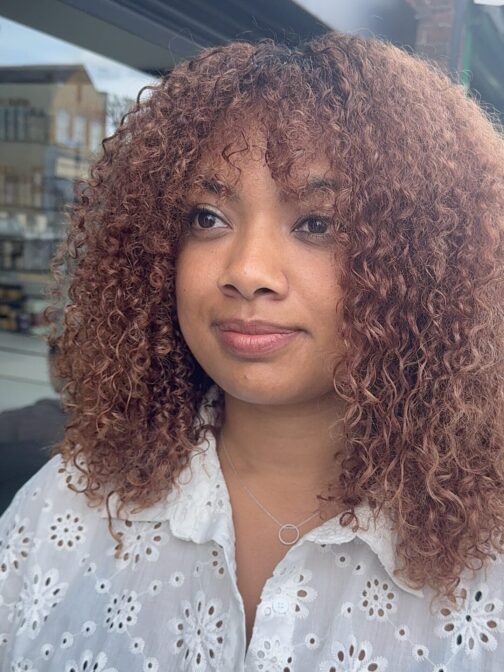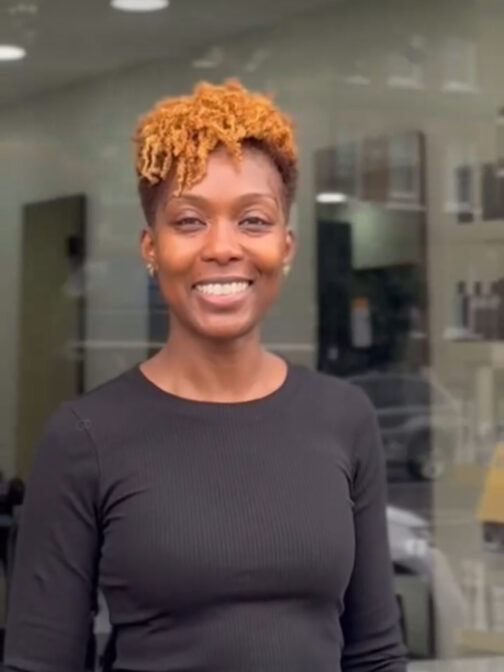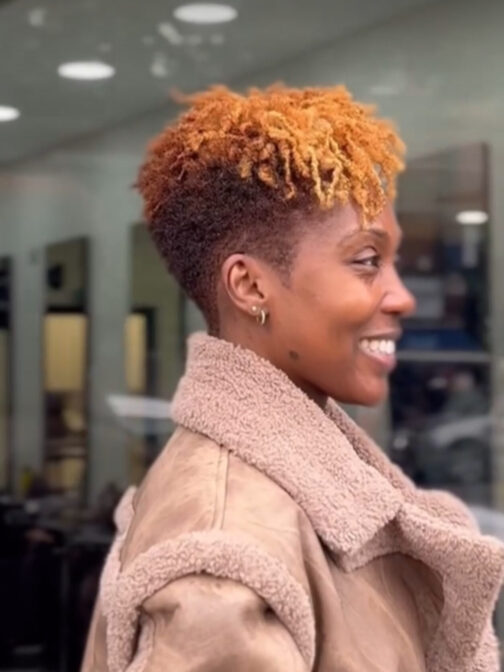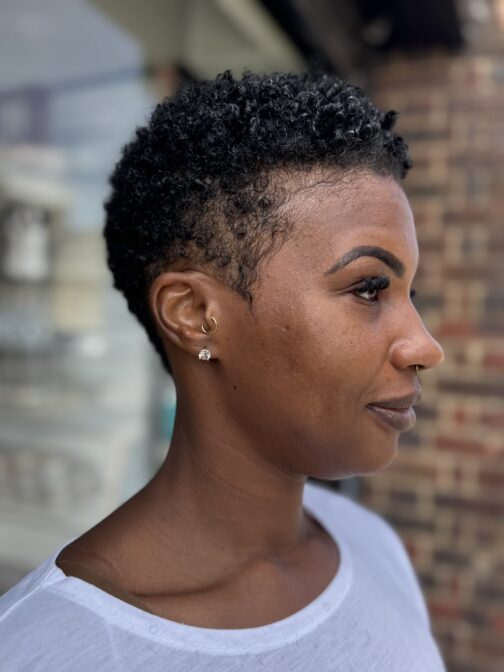
Big Chop or Transition Slowly? The Best Way to Go Natural Explained

Unbelievable experience from the moment I enquired to the moment we left this afternoon, with a very happy son and his new hair cut. Cannot recommend enough. Am so impressed everything was just wonderful - it’s the best his hair has ever looked and he has not stopped smiling since! Can’t wait for our next visit - thank you to Joseph, Rochelle and all the Afrotherapy team!


Best haircut my son has ever had! Friendly staff that make you feel at home, even asking if you want tea or coffee. Highly recommend. If I could, this would get 100 stars

Best haircut I've ever had. Really nice people and atmosphere. Joseph cut my hair, he was brilliant. Took care of me, gave me the full treatment! Looking forward to coming back in the future.

Men hairstyling appointment: I truly enjoyed the exceptional service at Afrotherapy Salon. Joseph was patient, thorough, pleasant and the end result was exactly what I wanted from the salon. I was particularly impressed by Joseph’s keen desire to understand his client’s intentions before embarking on the job. Very reassuring from the very beginning. If you are looking for that extra bit of professional, executive, and personalized hair styling experience, book a session with Joseph.

I wanted to wait a couple of weeks before leaving a review, especially as I had a holiday planned and wanted to see how I felt about my hair once I had lived with it for a while. My appointment started a little later than planned, but I was well looked after while I waited and was offered tea and refreshments. Before the treatment began, I had a thorough consultation where I was able to explain the style I wanted. As this was a big change for me, I really appreciated being given the time and opportunity to discuss my ideas and expectations. Joseph and his team made me feel comfortable and at ease throughout every stage of the process. I had a texture release treatment and haircut, and they took the time to explain what they were doing and answer any questions I had. I was also given helpful advice on how to manage my new hairstyle and the best ways to care for it at home, which has made a real difference since. Overall, I am extremely happy with both the service and the results. The team were professional, welcoming, and knowledgeable, particularly when it comes to caring for natural hair. I have already recommended them to others and would not hesitate to return in the future. Thank you, Joseph and the team, for taking such great care of my hair. I am so pleased with the outcome.

Excellent treatment and experience. Joseph was really helpful and knowledgeable about what my hair needed. I went for a big change and he was very reassuring. Top mark for all the staff in kindness and friendliness. Totally recommended
Today I had a treatment for my Dry & itchy scalp Relief, and I had a lovely lady Hannah washing my hair. She made me feel very relaxed and comfortable and have advice on what I could take for my hair that has been shedding more than usual. I then had Joseph who blow dried and styled my hair, he was so patient and took time with my hair and again made me feel at ease and comfortable. I have enjoyed my experience coming to Afrotherapy and have noticed a difference in my hair growth. Thank you both and the Afrotherapy Team 🫶🏽

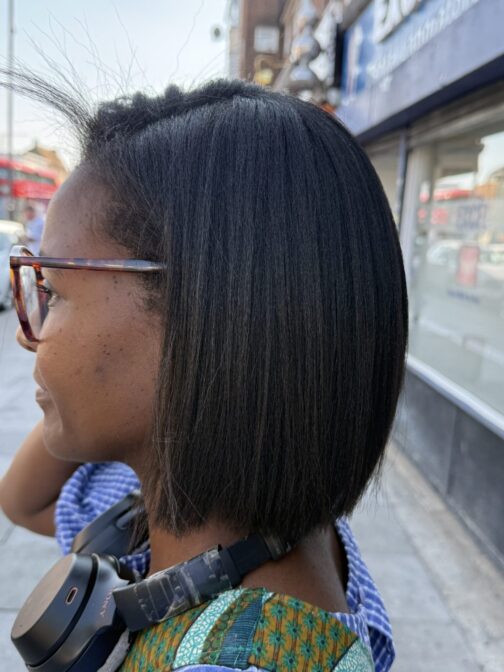
I had my first ever silk press and trim, and I really loved the results. Joseph was so professional with doing my hair. He took time to also explain the after-care and how to treat my 4C hair for better health and growth. I will definitely be returning to Afrotherapy Salon in the future 😊

TL;DR: I had a wonderful experience at Afrotherapy! The staff were friendly, knowledgeable and skilled, I felt relaxed during the whole experience and I will DEFINITELY be going again . Thank you, Ree and Joseph! Full Review: Neurodivergent-friendly: 5/5 I didn’t tell the staff that I was neurodivergent, but I appreciated how naturally they adapted to my quietness. I never felt pressured to make conversation, although I became comfortable enough to find myself yapping! The salon was quite serene which I think it created a calm environment too. Hair knowledge: 5/5 I’m particular about who I trust with my hair, so I was a little nervous going in. I spoke with the owners, who have around thirty-five years of experience each, and their expertise was clear. They were knowledgeable about hair health and trichology, while also taking the time to explain things and answer my questions. They asked if I had any previous issues with my hair/things to consider. I learnt a lot about my routine and how I could improve my hair health. I also appreciated that my requests were taken into account. When I mentioned that I wanted a section of my hair to be shampooed more, they listened without making me feel awkward for asking. I felt both heard and reassured that my hair was in really experienced hands. Aesthetically 5/5 I had a wash, treatment and trim, and got it braided into two pretty braids! I left feeling confident and knowing my head was happy and healthy. It was also my birthday, and they gave me a complimentary treatment, which was a lovely touch. I would definitely recommend Afrotherapy!

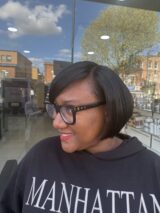
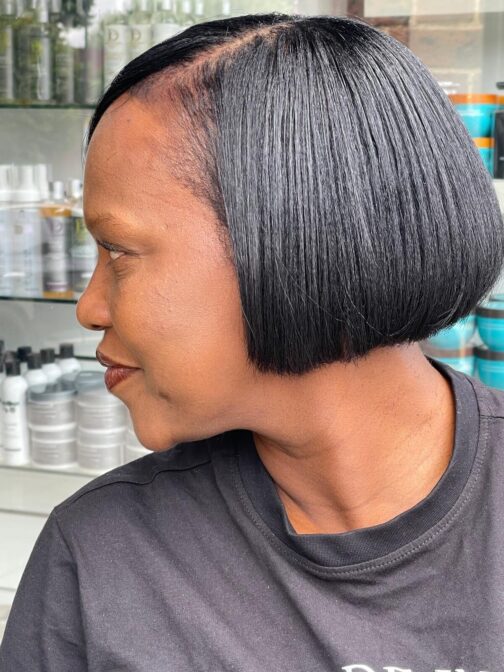
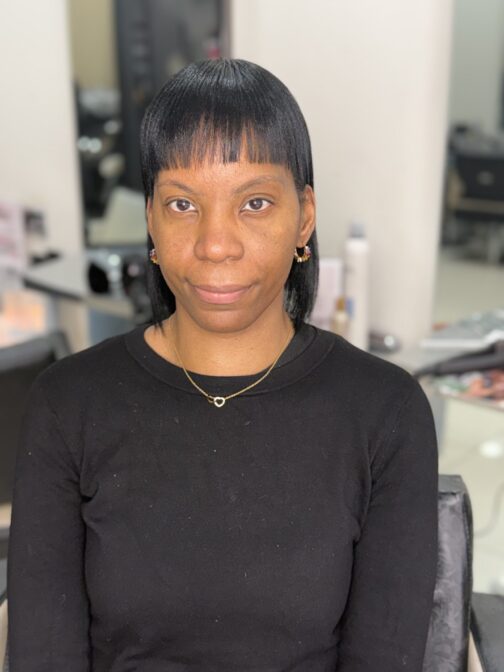
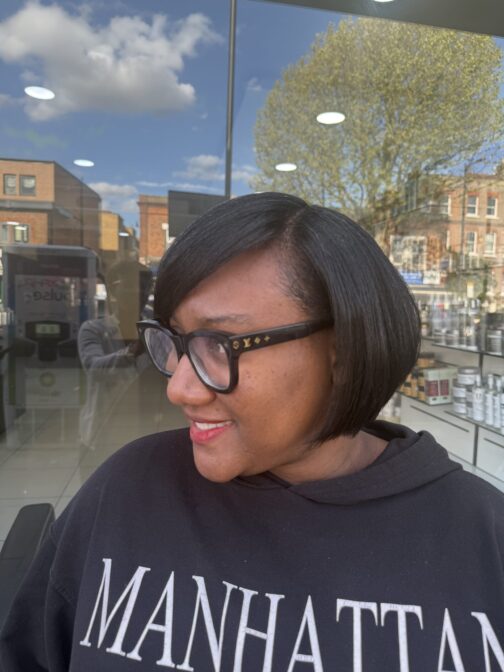
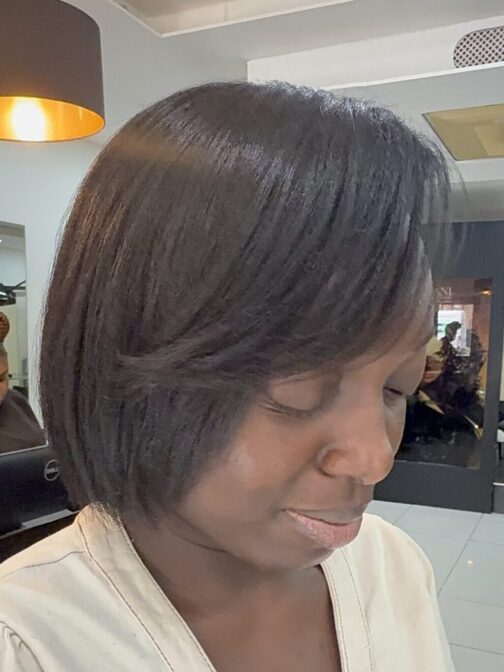
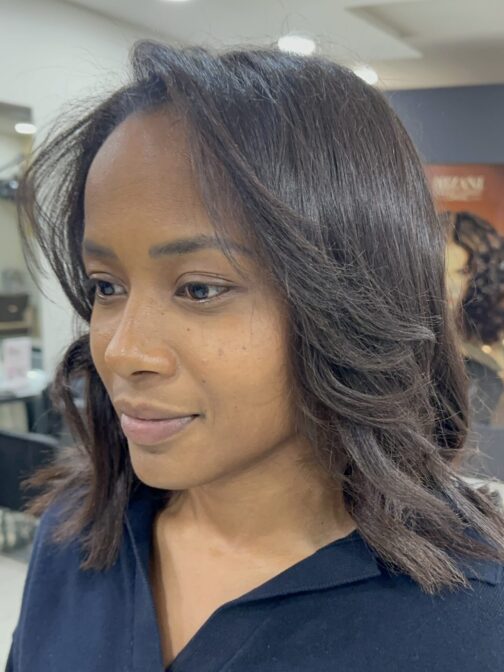
Lovely salon with a great atmosphere. Left feeling so confident sporting my new bob!

I visited Afrotherapy Salon today for a Silk Press and I am truly amazed by the results! My hair looks so beautiful, silky smooth, and healthy — exactly what I wanted. Joseph was my stylist and he was so professional, gentle, and took such great care of my 4C hair. He explained everything clearly and made sure I was comfortable throughout. The salon is lovely, clean, and everyone was so warm and welcoming. They even adjusted the bill fairly when I didn't need extra services — honest and kind. I felt valued and respected from start to finish. If you're looking for a salon that truly understands textured hair, treats you with kindness, and delivers amazing results — this is the place! I will definitely be coming back and recommending to everyone I know. Thank you so much! 💛 Hiwete

I took a bit of a chance travelling from Essex for a consultation for my daughter as I was struggling with her hair and how to care for it. Our consultation turned into a hair cut after looking at styles we liked. We felt like we were in good hands and the overall result was a remarkable makeover style that my daughter loves . I would recommend and will be coming back in a few months when it’s grown out. Thank you

10/10! Incredible service, everyone is extremely friendly and Joseph gave me the best hair cut of my life!
Had my 1st consultation with Joseph treatment trim and wash and he was amazing great communication and patience. Thank you Joseph
I went to Afrotherapy for the first time today and was met with such warmth! Everyone was so kind and welcoming, and Joseph, Natasha, and Rochelle did such a wonderful job on my hair. I will definitely be returning.

I am extremely pleased. Joseph and the whole team were very professional, knowledgeable and hospitable. Thank you so much for my beautiful silk press. Love the result, would highly recommend this Afrotherapy Salon.
Had my hair done at Afrotherapy by Joseph. Had an Initial consultation before about my hair texture, suitable styles etc which I found very productive and helped me decide on what style to go for. Was very suprised how Joseph handled my hair- never had a male stylist before Got very good results and super happy with AT salon.
My first time having my hair cut and blow dried since having baby and I left feeling fantastic! Looking forward to visiting again, really soon. Massive thank you to Joseph, much appreciation.
Brilliant service got a head massage with blow dry and style Joseph was paid attention to detail and delivered results this is my go to salon now!
Fire haircut done by Joseph. Love itt

Great salon, very knowledgeable. Joseph was a big help!

Lovely salon and staff! Joseph listened to my concerns about my hair and did a great job

I had Joseph curl my hair today and I’ve got to say, he’s an elite barber/hairdresser. I’d highly recommend him. He has a lot of knowledge about different hair types, styling techniques, and products, and he took the time to explain what would work best for my hair. The whole salon has a great vibe and welcoming atmosphere. I honestly almost didn’t want to leave once my hair was done. Very happy with the result and I’ll definitely be coming back.
Joseph was wonderful. I'm very happy with my haircut and the service that he provided. I look forward to returning for a touch up in the near future.
My experience at Afrotherapy today was amazing and my stylist was Joseph hid did am amazing job
My appointment with Joseph was excellent. We had spoken before with a zoom Consult. So he listened to me and was able to cut my hair according to what was needed. Very happy. Thank you!

Another lovely experience in Afrotherapy with Joseph
We had a very pleasant experience with Joseph. He was gentle yet quick. My daughter Michaela has a lot of hair and very tender headed but she left smiling. Thank you Joseph

I had an amazing experience here would recommend to anyone who is looking for knowledgeable professionals. I had a consultation and a wash custom condition and blow dry . I expressed my nervousness and my concerns and they were addressed and it wasn’t condescending or judgmental. I had my service with Joseph Tuesday absolutely will stay with this salon and stay coming back here my hair feels great and looks healthy .

I went into Afrotherapy Salon highly recommended by my daughter, not quite knowing what to expect. From the moment I arrived, I was warmly welcomed with a smile and offered a drink. I initially booked a consultation with Joseph to make sure I could trust Afrotherapy with my natural hair. Joseph was incredibly patient, took the time to listen to all my concerns, and made me feel completely at ease. I really appreciated his client-centred approach and professionalism. By the end of my consultation, I felt confident that my natural hair would be in safe and knowledgeable hands.

Joseph and Natasha were very welcoming , kind and gave great hair care advice. They were attentive and would highly recommend them and the salon

I just wanted to leave a lovely review for Joseph, who did my daughter hair she had a hair treatment, trim and silkpress . It was her first time visiting the salon, and he made her feel so comfortable and relaxed from the moment we arrived. He was incredibly gentle, kind, patient, and very thorough with her hair, which really helped calm her nerves. She had such a positive experience and left feeling happy and confident. Thank you, Joseph, for your professionalism and care it truly made a difference. We will definitely be returning to the salon again!

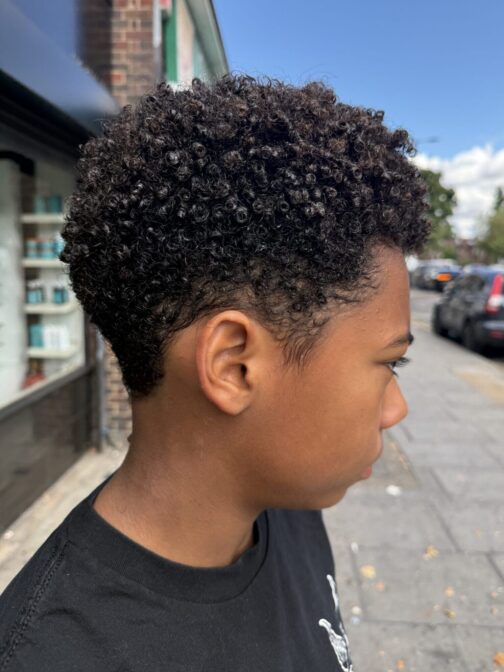
It was my son’s first hair cut and Joseph was amazing at making him feel at ease. He’s still asking to see the bee (the clippers) so we’ll definitely be going back. So happy with the haircut too!! Thank you so much

This is my third visit and am more than happy with the result. Wasn't really planning on having anything done today. I was accompanying a friend who I was introducing to the salon for the first time. She had an appointment. We received a lovely warm welcome as usual. Joseph was most accommodating when I decided to have a last minute shampoo, condition & trim. He knew exactly how to style my hair & didn't take too much off. Very happy!

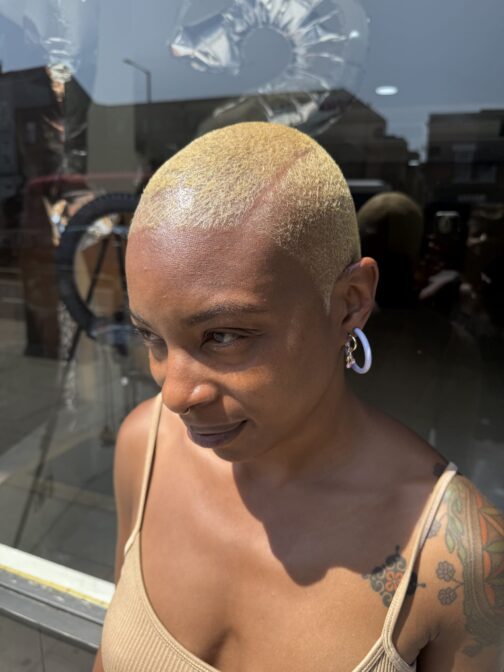
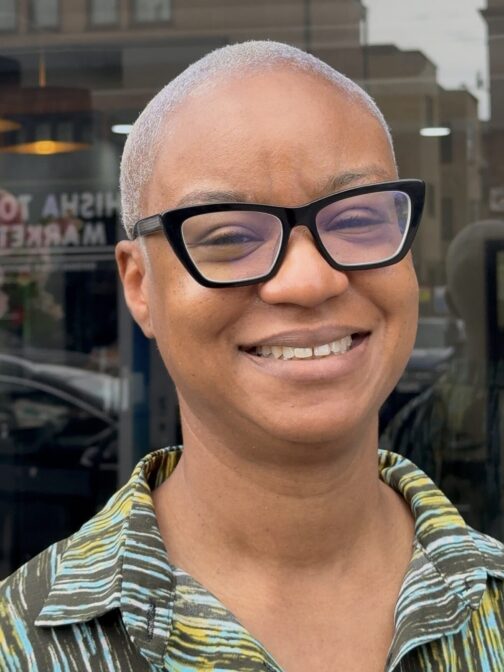
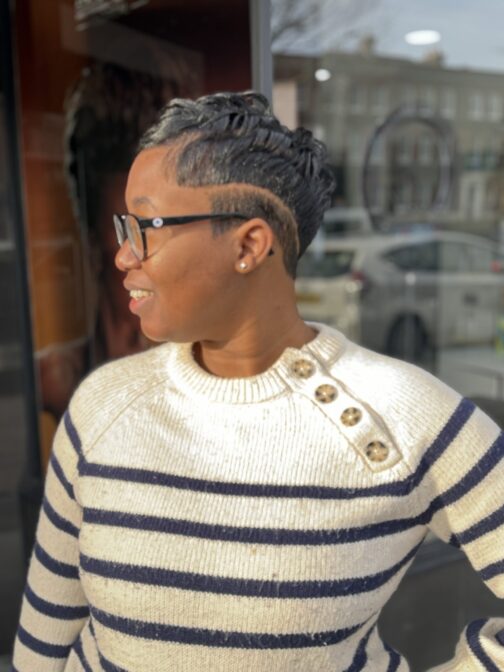
Absolutely loved my experience at Afrotherapy Salon! From the initial consultation through to the big chop, the whole process felt professional, personal, and genuinely caring. My hair looks and feels so much healthier already. Huge thank you to Joseph for really taking the time to understand my hair, my routine, and the style that would work best for me. He absolutely delivered! The whole team were warm, welcoming, and friendly, which made the experience even better. I also appreciated the 30% discount for new customers, such a great bonus. I’ll definitely be booking my next appointment soon for a colour. Can’t wait! Highly recommend Afrotherapy Salon to anyone looking for expert advice, healthy hair care, and a great salon atmosphere.
I left Afrotherapy today with my hair feeling more beautiful and healthy than it has done in years. I was mostly attended to by Joseph who was warm, knowledgeable and highly skilled. The rest of the team also treated me with such kindness. This salon strikes the exact right balance between sleek, professional service and also making you feel like part of the family from the moment you walk in. I've signed up for a membership and will definitely be back!
Wonderful appointment with Joseph. Kind and professional, overall nice place and great staff. Had a treatment and cut for very damaged hair. Left feeling great!

🎼 Simply The Best🎵 Thank you to Joseph and the ladies in the Salon 👏🏽👏🏽. Welcoming,Calm & Relaxing atmosphere, I walked out feeling like a Queen 🥰 I have received so many compliment about my hair from strangers...really made my day. And in the words of my grandson " I'm really feeling myself" 😉 Afrotherapy you are the best. See you again soon. ❤️
I’ve always gone to normal barbers or hairdressers and never paid too much attention to going to an Afro hair specialist. What a mistake that has been. Joseph gave a great consultation, and I was happy to take his recommendations and he gave me a good hair cut, deep hair treatment and epic finish. No faults in this place. I can see why it’s got constant 5 star reviews. There’s another one!
Joseph is my stylist of choice. Whenever I come, I always leave with a lovely trim and feeling good.
Had a lovely moisture and protein treatment plus trim and s consultation - it was great. Thanks so much to Joseph
Very friendly staff, Joseph was lovely and I loved my hair!
My first experience at Afrotherapy, was great from check in to finish. Great service . Thank you Joseph.
Afrotherapy is the best hair salon for Afro/curly hair care. You get such a beautiful treatment and customer service. So welcoming and supportive. The will have a chat before you make any decision on your hair. Joseph is an amazing person. Thank you for looking after me and giving beautiful support.

I did the Moisture Treatment, silk press and trim. Joseph was amazing listened to exactly what I wanted and made it look perfect. Super friendly, professional and the whole experience was great. I couldn’t be happier with the result and will 100% be coming back.

Lovely first time experience! Joseph gave me the desired fluffy silk press, would recommend!

Joseph really well done and very fast so happy!

Such a professional team and very welcoming. I have never had my hair look as good as how it looks. Learning to embrace my natural hair. Thank you Joseph and the team. You are all awesome!

Joseph and Rhianna took the time to really listen to every part of my hair journey and offered clear, honest advice on how to improve it for long-term results. I genuinely felt heard and supported throughout the consultation. I’m really looking forward to starting my hair journey with Afrotherapy. They are a dedicated team who make everything feel fresh, simple, and realistic, while always staying true and honest about what’s best for your hair goals.

Wonderful cut and colour from Joseph today. I was looking for a transformation and he delivered, I highly recommend

Joseph was amazing! He made me feel completely relaxed from the moment I sat in the chair. He took his time, listened carefully, and delivered a truly wonderful haircut. The whole experience was calm, professional, and enjoyable. Thank you, Joseph, for such great care and an excellent result—I couldn’t be happier!

Great service. Polite staff. Definitely coming back. Joseph in particular was lovely with my niece.

Joseph did an incredible job with my relaxer, trim and style. My hair came out smooth, healthy, and perfectly shaped. He’s gentle, detailed, and really knows what he’s doing. I’ll definitely be coming back.

Great service. Very polite and professional staff and environment. Mr Joseph was professional and helpful.

Walked in and was seen straight away! Fantastic cut by Joseph very professional and understood what I wanted. Fab.

I got my hair done by Joseph today. It was a wonderful experience and I would definitely go there again. (Ps: Thanks for the birthday gift!)

So good I loved the professionalism they were lovely and will be going to them more often. Joseph was amazing at detangling and managing my hair. He evened out both sides of my hair which may have been a challenge but was very helpful providing educational advice on managing hair retention!
It’s been a lovely warm and welcoming experience, I had a cut, treatment and blow dry from Joseph and he was very attentive, in fact all the staff listened to my needs will def come back again!
Joseph and his team always offer a high level of professional, friendly and efficient service, in a calm and relaxing environment.
Had a great experience with Joseph who gave a very detailed consultation
Very happy with Joseph cutting my 2 sons hair especially my 4 year old as was his first cut
I had a nice time here, Joseph gave me a nice haircut that really suits my face, it was a good experience, excellent customer service
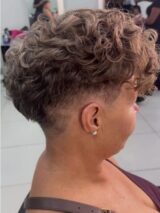
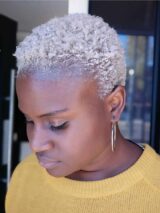
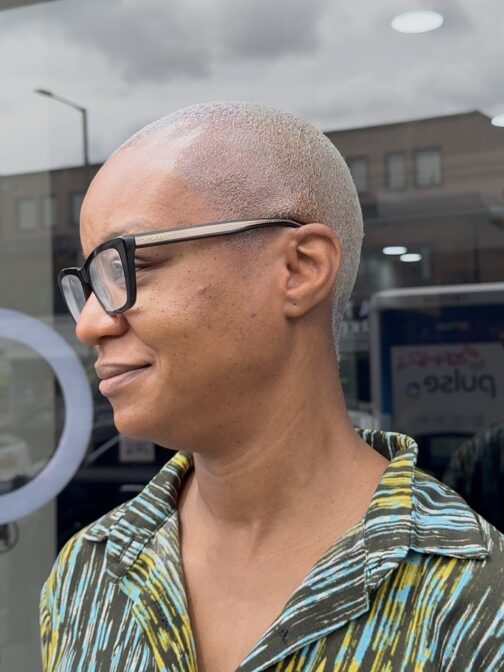
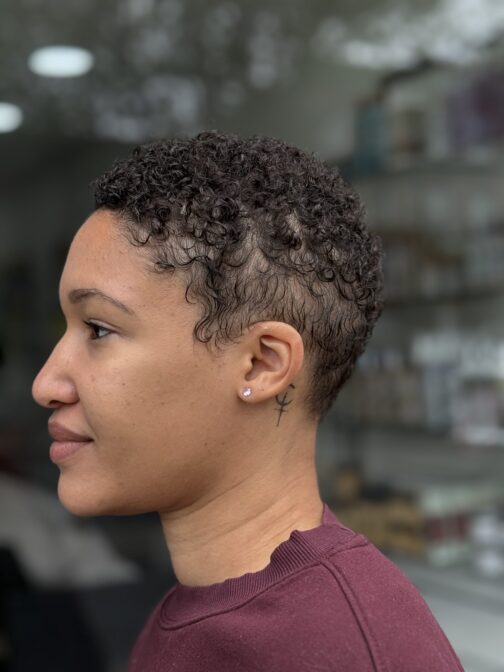
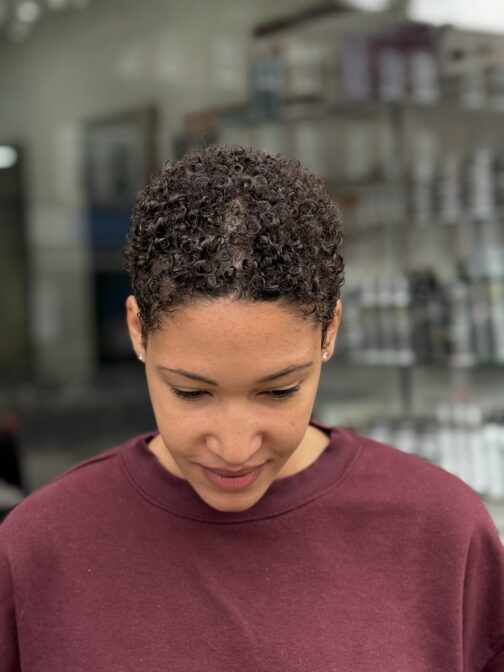
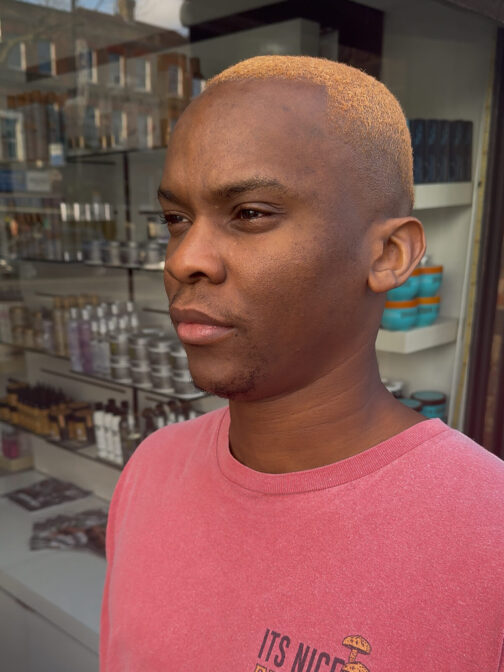
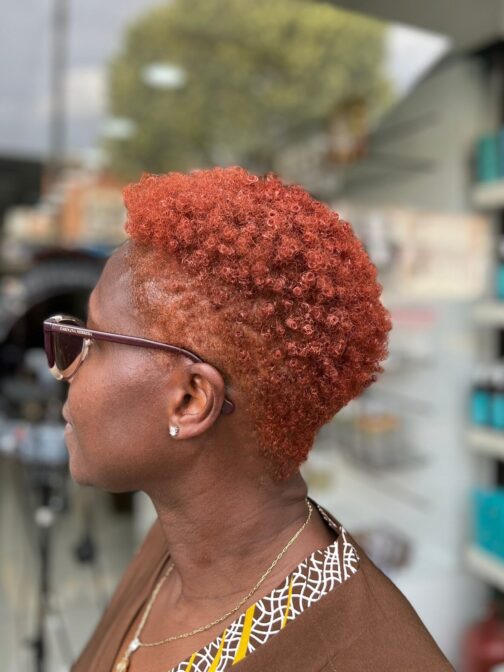
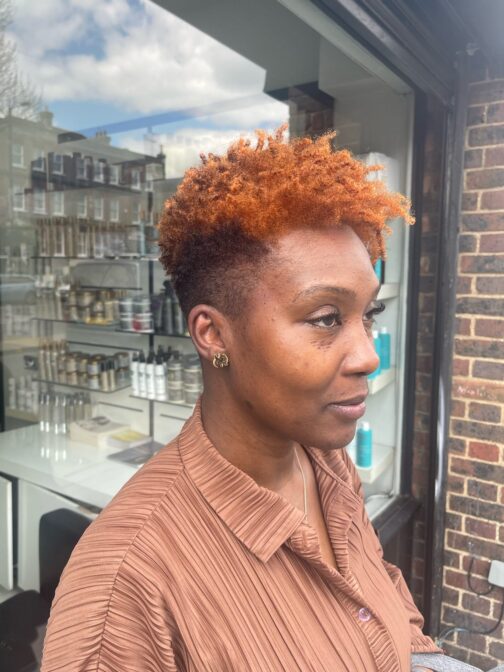
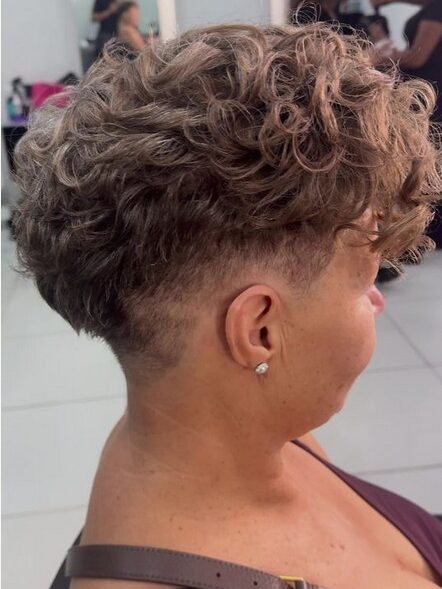
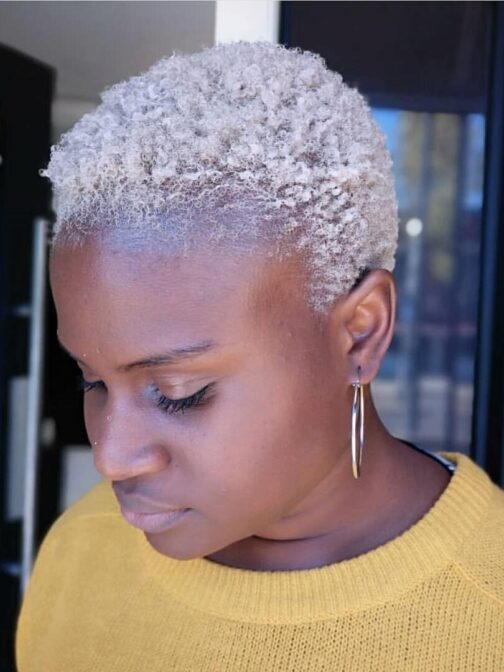
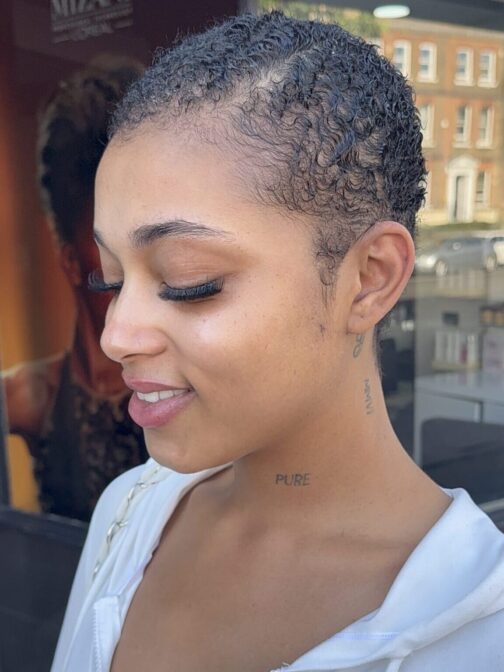
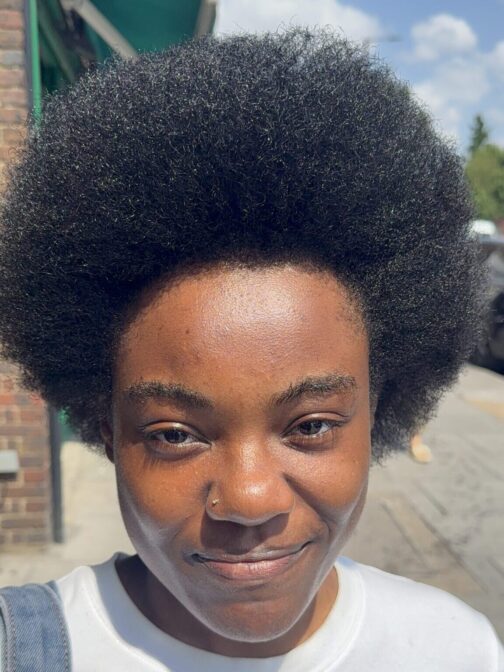
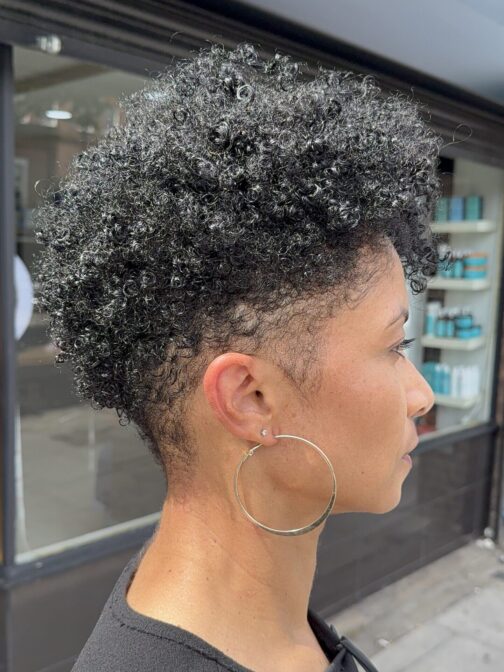
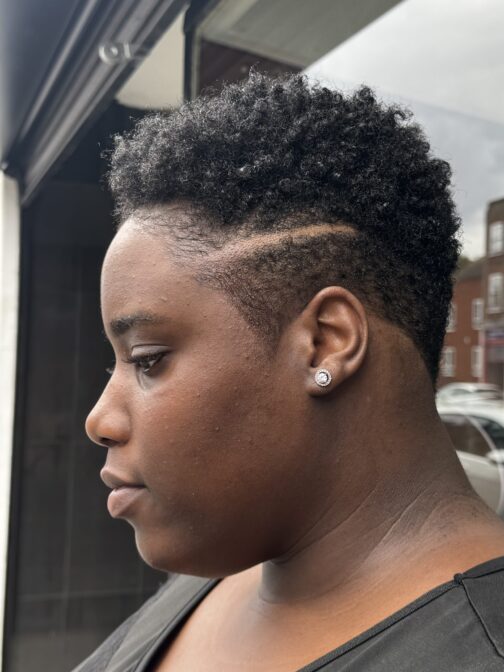
Went from large afro to a short afro. Great service from Joseph who cut and washed my hair
Always incredible treatment and service by Joseph and Jennifer!
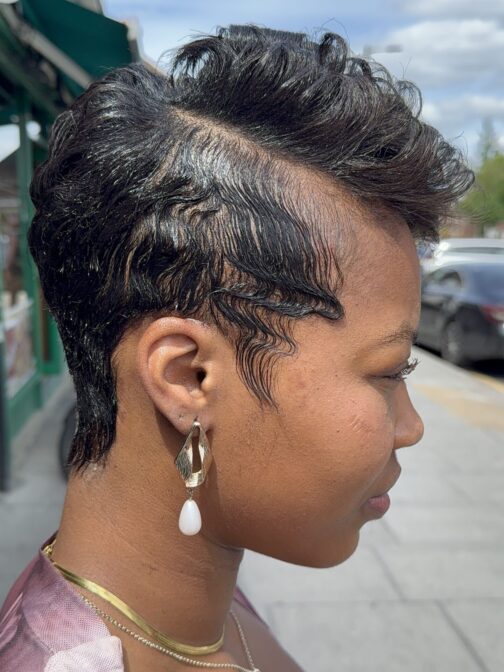
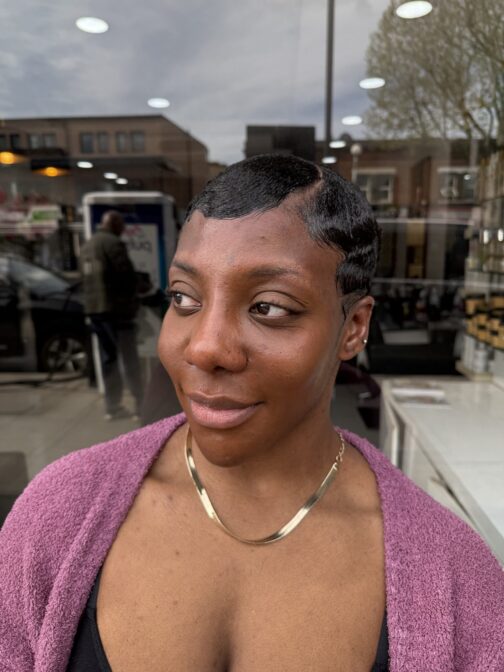
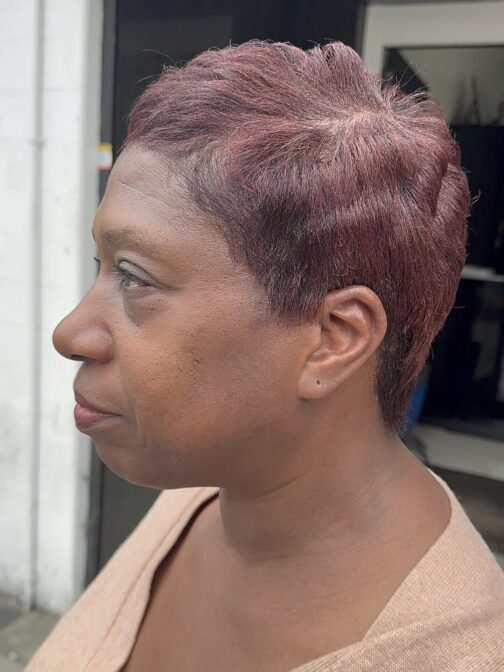
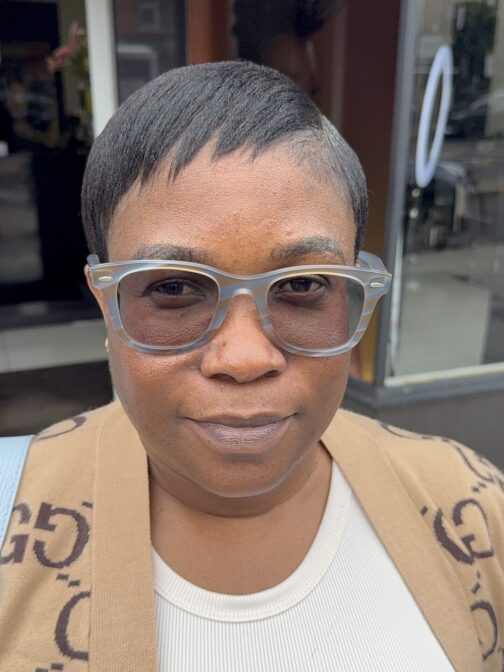
From checking in to checking out, the Afrotherapy experience is 10/10. The staff are absolutely amazing and my stylist Joseph did a fantastic job with my pixie style. The attention to detail is impeccable and they really go above and beyond for their customers. Thank you!!. I will definitely be back! Adele
Fantastic salon. Service was amazing, staff were so kind. Joseph is amazing. So kind to. Thank you
Fantastic saloon. Service was amazing, staff were so kind. Joseph is amazing. So kind to. Thank you
Joseph was super amazing and welcoming. Explained to me what may be causing my dry scalp and real gentle on the hands. Lovely aura and good vibes. I am so happy I’ve found this salon. I will definitely be back and booking Joseph again for my natural hair care. ( I will also be writing a google review)
Joseph is the 🐐
I had a great experience at Afrotherapy salon last Wednesday, Joseph took his time getting to know what my needed, it was really well conditioned, my hair feels absolutely great best it has been in years.
I had a really wonderful experience this morning. Joseph was so helpful recommending the best treatment for my hair and really taking into consideration my hair goals. I’ll definitely be returning.
An amazing experience with Joseph as always. Hair care advice, the way he looks after and treats my hair, always very happy! My hair looks and feels healthier.
Great visit to Afrotherapy Salon. Joseph was welcoming, professional, friendly and did a great job to my hair and new look. I enjoyed my first visit and will be returning and recommending the Salon. The salon is of high standard and quality.
Joseph kindly saw me despite a late enquiry. I was impressed by the quality and standard of service. I also appreciated the hair advice and will definitely be back!
Very pleased with my Silk press. Excellent customer care by Sharon Joseph and the other staff members. I have mobility problems all the staff were very caring and supportive.
My son just had his haircut by Joseph. It looks great and he's very happy. He got sound advice on haircare too. He will be going back! Thank you 🙂 Jo N22

I had my first silk press plus a trim today, all carried out by Joseph. I'm really pleased with how it looks and feels, just hope I can maintain it for a couple of weeks. The service was good. I was seen on time and was given useful after care advice.
Best haircut I've ever had! Joseph will be my go-to-hairdresser for years to come!
I received excellent service from booking my appointment to leaving the salon. I am very pleased with the results and the care that was given to my hair. The consultation was very thorough and informative, and I was given aftercare tips on how to maintain healthy hair. My stylist, Joseph was polite, professional and hospitable. The ambience of the salon was calm and the head massage was heavenly. I would definitely recommend and will be going back. Thank you so much for a great first experience.
I must admit I do not normally participate in ratings, however my experience at Afrotherapy compels me to make this an exception, particularly since my experience with Afrotherapy was better than I had expected. Having not been to a hairdressers for the last 5 years since having had a bad experience when my hair was severely damaged through it being overprocessed with the wrong type of relaxer and colouring for my hair, I was therefore extremely cautious in finding a suitable and competent hairdresser. I came across Afrotherapy through doing some online research and although I had previously earmarked a couple of other hairdressers to check out they were immediately removed from my checklist once I found Afrotherapy and read their reviews. Admittedly I was a bit apprehensive in choosing a hairdressers that way as I would normally go through personal recommendations. I was given a thorough consultation and both Chris and Joseph came across as very professional and who definitely knew their stuff where hair is concerned. Ultimately I was extremely pleased with the result of the relaxer and colouring I received from Joseph and ditto with the cut and style I received from Chris. The numerous complements I have received about my hair since then is testament to the skills of them both.
Recent Work: (30)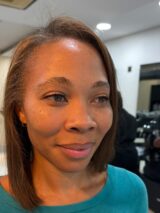

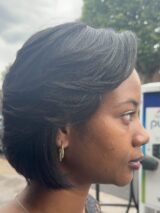
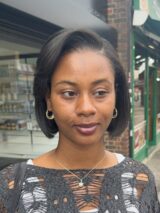
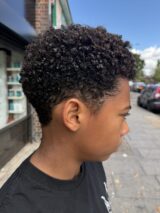
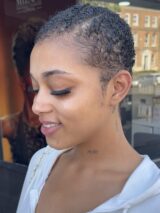
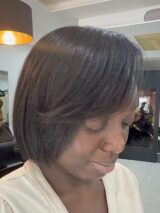
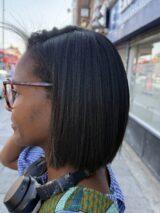
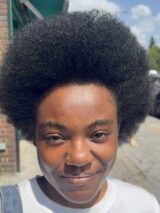
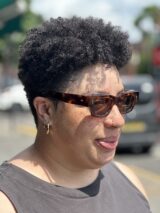
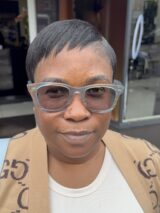
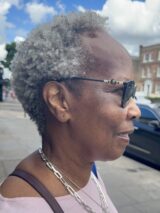
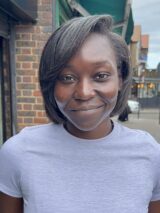
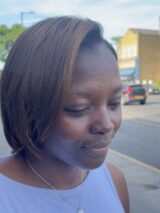
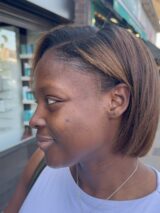
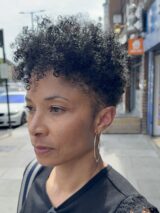
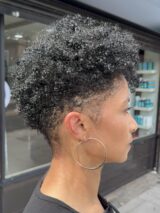
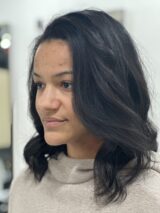
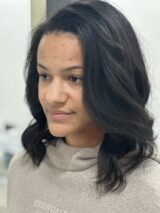
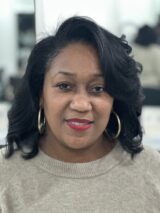
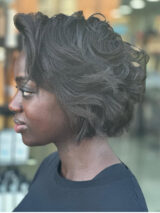
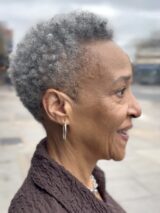
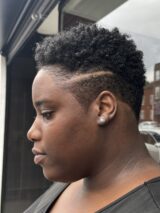
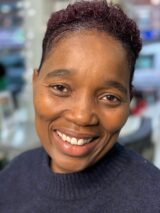
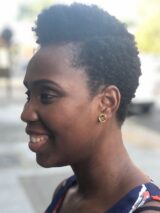
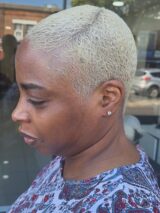
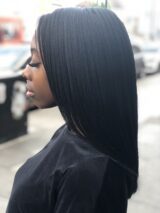
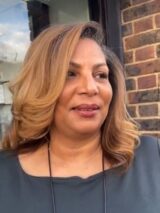
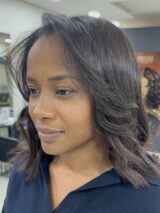
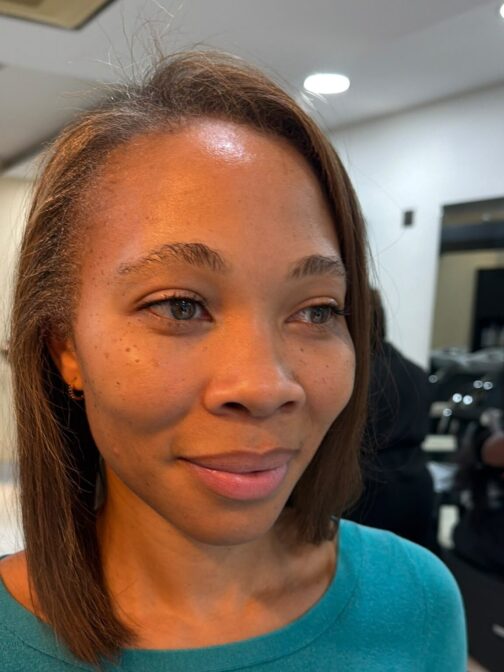
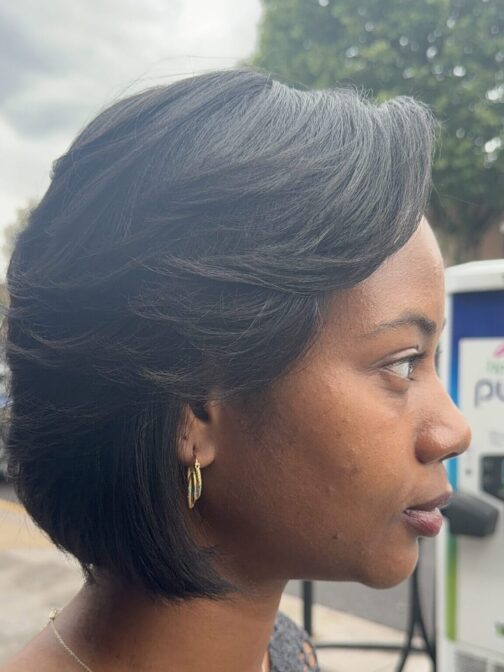
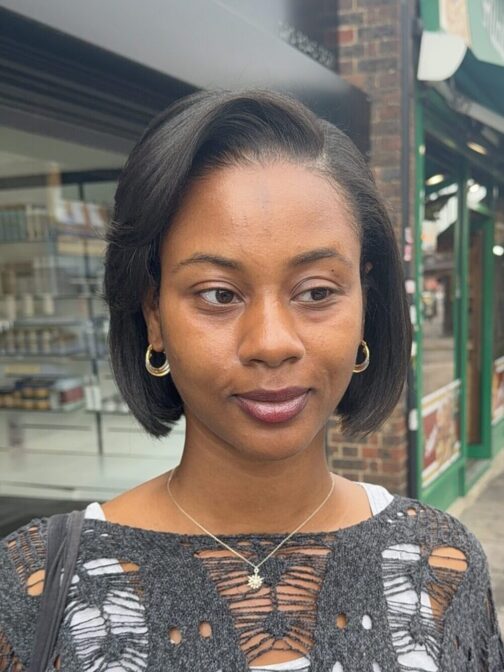
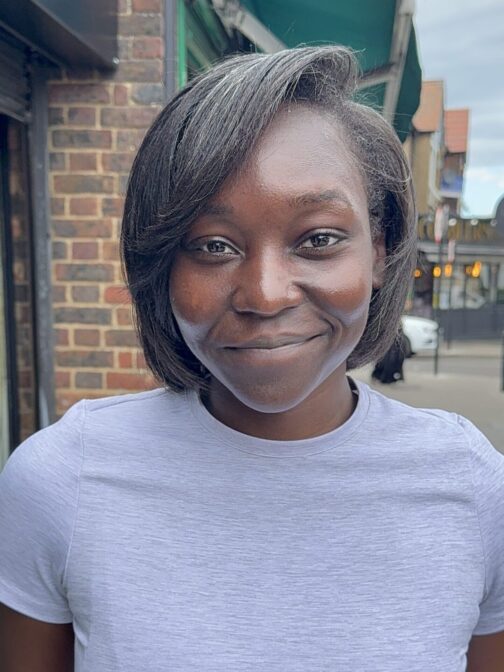
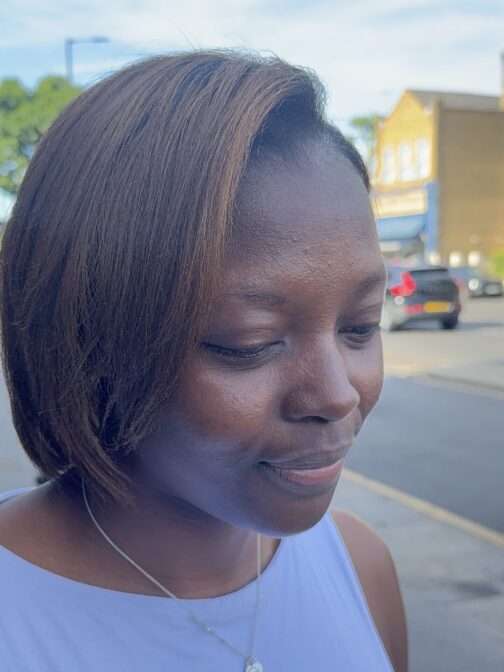
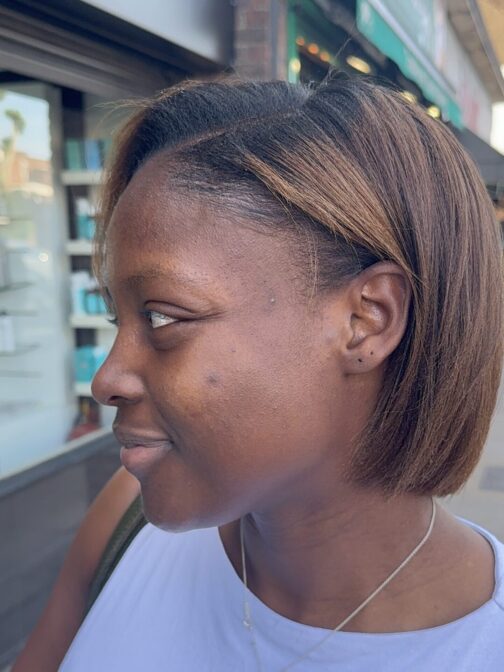
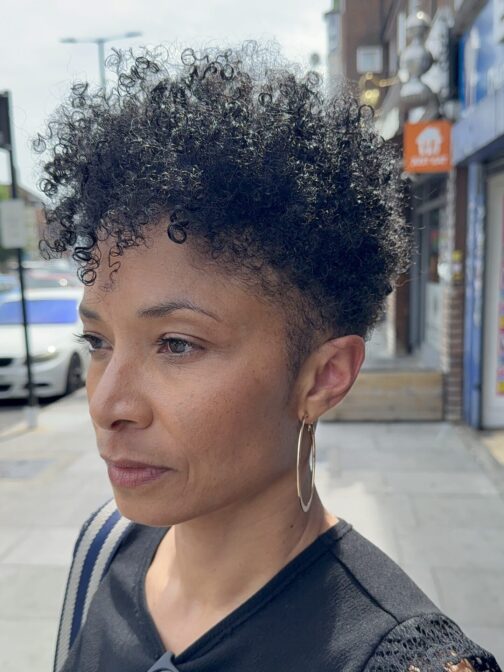
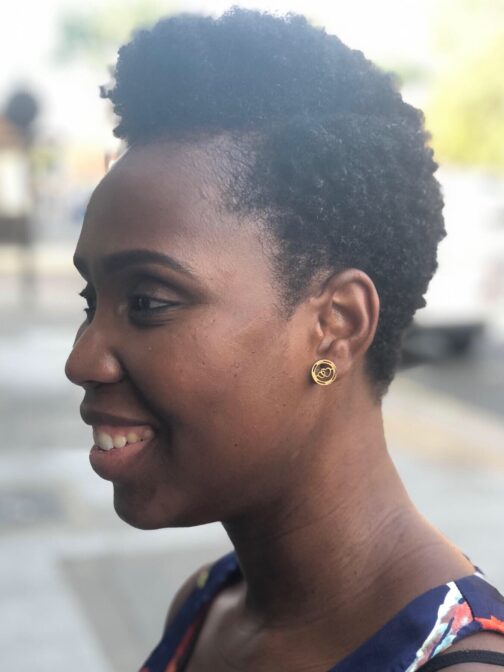
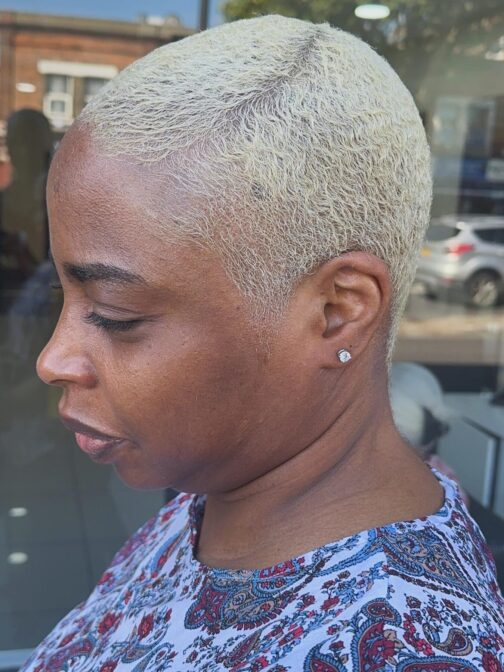
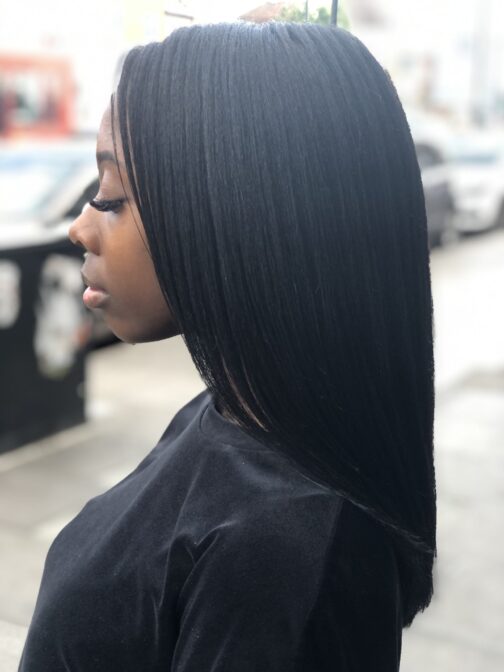
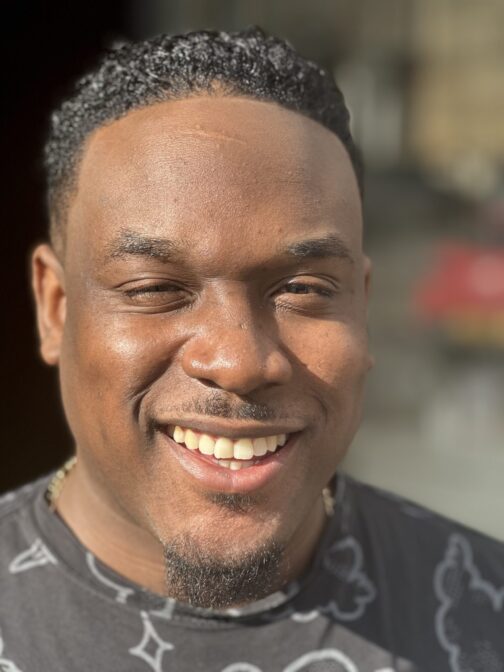
A Hair Sanctuary That Gifted Me Peace There are moments in life where a space and its people wrap around you precisely when you need it most. Walking into this salon, I was carrying a heavy weight—the vulnerability of a recent traumatic haircut, a season of intense health challenges, and the deeply personal significance of preparing for my 45th birthday. For a Black woman, our hair is never just hair; it is our identity, our history, and the very fabric of how we move through the world. To entrust it to someone else after it has been compromised requires an immense amount of bravery. What I experienced here was out of this world. I have never in my life experienced a salon environment like this. From Joesep who gave an amazing initial video consultation, where I felt so seen and heard. my brilliant colour stylist Shantay, who held space for me; it was the entire collective. Every single person who passed by had an input—a genuine smile, a kind word, a layer of warmth. Solange, Harriet, and the others whose names i didnt even know. There was no friction, no cold professionalism; there was only a shared, flowing ecosystem of kindness. They saw me. They understood the sensitivity of the moment without me having to over-explain it. When you do not look the way you expect to look, it shakes your foundation. What this team did was far greater than a cosmetic transformation. They held an intimate, protective space for my healing. They didn't just restore my hair; they gifted me back my peace. I walked in seeking a haircut, and I walked out feeling like I had found a true home for my hair. The grace and humanity I experienced within these walls is something I will remember and cherish for the rest of my life. If you are looking for a place that understands the sacred nature of hair care and treats you with absolute reverence, you have found it. Thank you to the entire team for your beautiful hearts. ❤️

Afrotherapy salon always handle my daughter’s hair with care. Her hair is so healthy now since she’s been coming for a silk press. I love the style and she got today by shantay really beautifully done I’m super impressed so much so I’ll be also be coming to do mine soon! Thank you guys🙏🏾
Shantay was really nice and friendly. She made me feel very comfortable while doing my hair and was able to identify almost immediately the issues with my hair. She gave advice on hair care and styled my hair really nicely. I felt like a princess when I left her chair.

Great service from both Shanté and Joseph who treated and styled my hair so beautifully. They also educated me on what is best for my hair moving forward.
I visited the Afrotherapy salon for a colour. Chante did my colour - she was friendly, professional and made me feel very welcome. She was on time which is a huge tick for the salon. All the team are very kind, professional, warm and friendly. I highly recommend this salon.
Chante did a texture release on my hair and was amazing. She taught me a lot about treatment and how to maintain my hair. Everyone at the salon was lovely, I will definitely be coming back x
Really great service and the staff were welcoming. I was seen by Shantay. She made me feel comfortable and she answered all questions I had. I am so happy with the treatment and the results of my hair. I would definitely recommend afro therapy salon.
Shantay coloured my hair. She is absolutely amazing! She is so welcoming, bubbly and she took me through how to maintain my hair after. 100% recommend the salon and Shantay!
Shanti & Nashree had great collaboration with parting and styling my hair today, being my first time there, I would certainly good back and recommend. Friendly and professional including the manager

Had an absolutely amazing experience!! First time going to a black afro salon where it feels like they actually care about my hair and its health. Loved the results, especially thanks to Shantay and will be booking again!
Shantay is an excellent stylist, she corrected my colour when it didn’t turn out as I’d expected with grace and professionalism . My curls were not as I’d expected. However, I’m confident on my next visit they’ll turn out beautifully.

Shantay did an awesome job on my blonde color!

Started my locks journey with Chante & Natasha. They twisted my hair for me. I had amazing treatment, so friendly and they done an ama inf job with my hair. I wasn’t sure was size I wanted but they helped with recommendations and I really appreciated that. Top tier service 👌🏿

Shantay is an amazing colourist and stylist. I absolutely love my new hair colour and the aftercare advice she gave was superb. I’d highly recommend visiting Shantay if you want a beautiful hair do with great banter and practical hair care advice🙂
Shantay is amazing She took her time to make sure my hair looked perfect and listened to exactly what I want. The atmosphere is relaxed, and she’s so easy to talk to. I left her chair feeling confident and refreshed definitely my go-to stylist!
I had the best experience, and I got exactly what I wanted, which I don’t usually, but I’ll be smiling all the way home, the staff are great and super friendly and provide a nice relaxed atmosphere. This will be my monthly shop ❤️Shantay was the best. I strongly recommend her and this salon.
Both Shantay and Joseph were professional and knowledgeable. After years of avoiding salons due to long waits and unfriendly staff, Afrotherapy really made the right impression. I had a treatment and a cut, and Joseph got it spot on from the image I showed him — I wasn’t disappointed! They also gave great hair care advice and introduced me to new products I loved. A professional, welcoming experience from start to finish — I’ll definitely be back!

Shantey did my hair colour and I’m absolutely in love with the result! The whole team is amazing, so professional, friendly, and welcoming. Highly recommend, I’ll definitely be back!
Service with Shantay was amazing, very informative and explained everything in detail which I greatly appreciated.
Shantay was very lovely and accommodating with the hair colouring service. My hair colour looks nice and I will definitely revisit again some time.
As a new slightly apprehensive customer due to bad experiences with previous hairdressers not achieving my desired hair colour, I booked in for a consultation. Shantay made me feel extremely at ease, was polite and clear on the process and the outcome that would be achievable for my full head of highlights. One the day of my appointment we discussed the different options and what would work best for me and from start to finish I throughly enjoyed the experience and the finished results. From the advice given on how best to care for the colour to recommendations on products to use for some breakages I have been dealing with. I have now found my regular hairdresser and would highly recommend visiting Afrotherapy and if you are considering colour or colour correction Shantay is your girl!
I had Shantay as my stylist and she was incredible!! Amazing service and i love the way she coloured and styled my hair 10/10
Shantay was AMAZING! Felt like home. Would definitely visit to do my hair treatments.
Recent Work: (2)
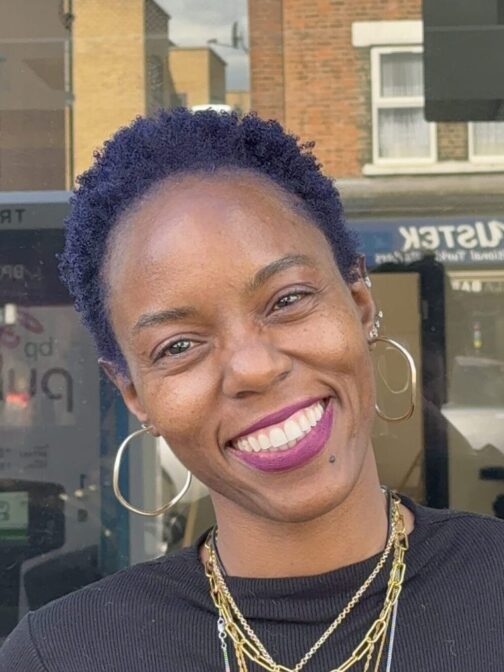
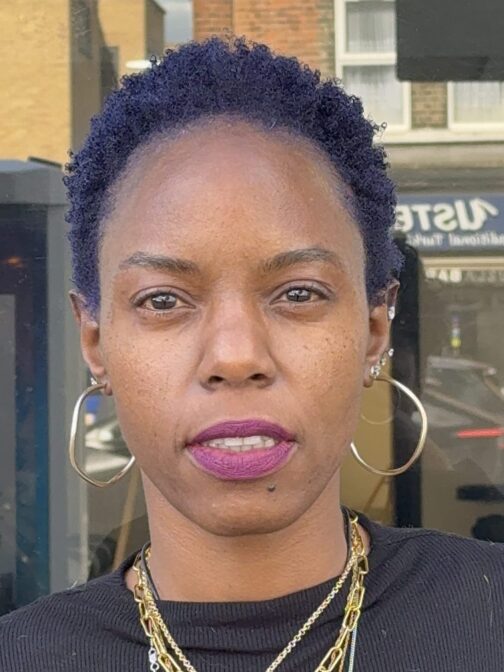

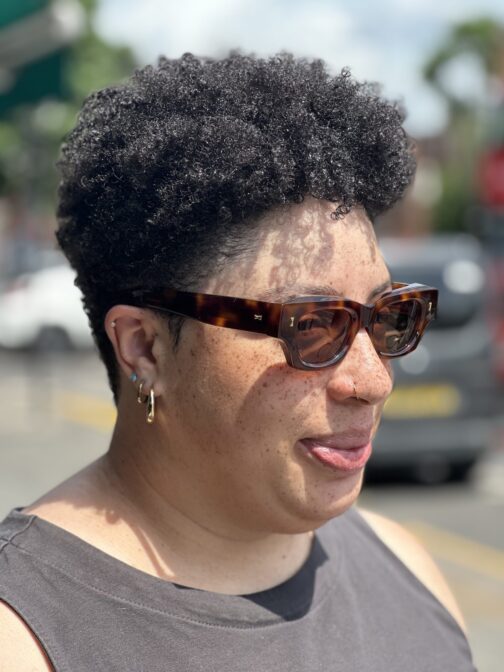
Jennifer was amazing! Love my pixie cut!

I was warmly received at the Salon and offered a drink while I waited. This was my first time visiting the salon, I asked for Harriet (because someone had recommended her for Pixie cut) when I booked but found out when I arrived that I had been assigned to Jennifer. My only issue is, I assumed the reason for stating your preferred stylist is that your wish would be honoured or at least informed that your stylist of choice was not available. Aside from that I had a good experience with Jennifer and the team. Thank you

Jennifer was fantastic. She did an excellent job of covering my alopecia patches with a stylish pixie cut weave. I'm ready to celebrate turning 50! All the team are really friendly, helpful and professional.

I had a wonderful first experience at Afrotherapy Salon! Jennifer helped to give my hair and look the full revamp, and I love my new hair style! All the ladies were lovely, great conversation and wonderful community at Afrotherapy! Can’t wait to come back 🤗
What a lovely experience! We had a Mum and Daughter in Laws pamper day! Thanks you Jen & Reenie!
Got my hair dyed & a silk press and soo pleased with how it turned out. Jennifer knows her stuff!!

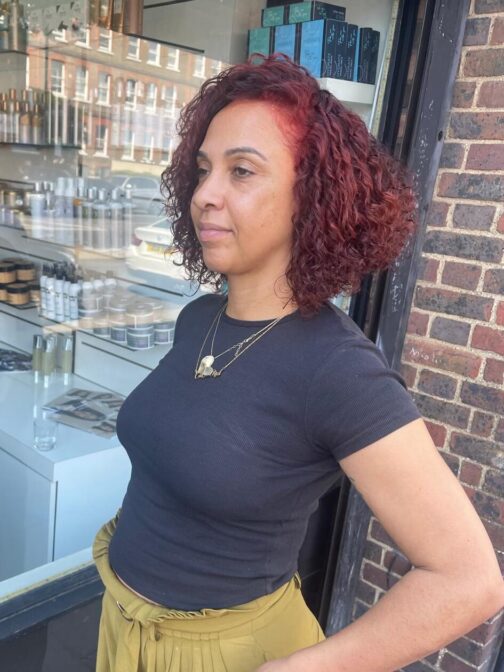
Absolutely amazing experience! I had my hair coloured by Jennifer, who was so sweet, knowledgeable and incredibly helpful. As someone new to caring for my natural curly hair, her advice was invaluable and so appreciated. Joseph has also been fantastic during my consultations, with excellent knowledge and customer service, and Ria was amazing too! The whole team on Thursday 17th September made me feel so well looked after. My hair was beautifully coloured, nurtured and cared for. This wasn’t my first visit and definitely won’t be my last! Thank you to the whole team highly recommend!
Extremely satisfied with professionalism & fabulous treatment by Jennifer & all the staff. I always come away with a smile. I would recommend Jennifer & the salon/staff to anyone who appreciates a good service & being pampered

Great service, I regularly book a trim and style with the lovely Jennifer. She's the best!! The management Joseph and Harriet are so attentive as well, they are always there to offer advice. I love the calm vibe of the salon. Would definitely recommend!
Jennifer did some amazing work on my son's hair. He was nervous as it was his first time getting highlights on his curls. She made him feel comfortable and listened to his requests on his curls, both colour and styling preference. He left feeling confident and happy with his new hair look. Thank you so much! ✨️

This was my third visit to Afrotherapy Hair Salon, and I can honestly say the service has been exceptional every single time. From my initial consultation through to my keratin Straightening today, the professionalism, care, and attention to detail have been outstanding. Jennifer, my hairstylist, has been absolutely amazing. She has a wealth of knowledge and experience, and from the moment you sit in her chair, you know you’re in safe hands. She genuinely cares about the health of your hair and takes the time to explain everything, making you feel completely confident throughout the treatment. I was in the salon for around three hours today for my keratin Straightening but the time flew by. Between chatting with the different stylists, enjoying a coffee, sharing plenty of laughs, and being so well looked after, the whole experience was relaxing and enjoyable. The atmosphere in the salon is warm, friendly, and welcoming. A special mention must go to Natasha and Hannah who both made such a positive impression during my visit. Hannah provided fantastic customer service She was friendly, professional, and took the time to answer questions and offer helpful advice. Natasha was equally outstanding, offering invaluable advice not only about my hair but also about general wellbeing and health. Their passion, expertise, and genuine care for clients really shone through and made an already wonderful experience even better. One thing I particularly love is the salon’s membership scheme. Being able to pay into my account each month makes budgeting so much easier, and earning loyalty points towards future treatments is a brilliant bonus. I do look forward to my weekly emails from Harriet, Co-Founder & Creative Director, packed with hair care tips, advice, and words of wisdom. What really stands out is the personal touch behind every email they never feel like a generic mailing list. Instead, they feel genuine, thoughtful, and written with clients in mind. It’s so refreshing to receive communications that are engaging, informative, and make you feel like a valued member of the Afrotherapy community rather than just another customer. Every visit has exceeded my expectations, and it’s clear that Afrotherapy takes great pride in both customer service and hair care. Every member of the team who has looked after my hair over my three visits has been consistently professional, knowledgeable, and genuinely welcoming. Afrotherapy isn’t just a hair salon it’s an experience. I wouldn’t hesitate to recommend the salon to anyone looking for expert stylists, exceptional customer care, and a team who truly puts the health of your hair first. I can’t wait for my next visit!
Jennifer was warm, friendly and welcoming. Very transparent on pricing. I added a treatment to my demi-color and cornrows. My hair came out soft and silky. The whole team made my visit a very pleasant experience.

First time with Jennifer, who took great care with my hair, she was thorough warm and engaging. I felt at ease and pleased with my weave. I recommend Jennifer as an experinced stylist and for an overall pleasant experience. I look forward to returning for a colour. Thank you Jennifer!
First time visiting the salon after a recommendation from a friend, and I’m so glad I did. Jennifer was outstanding, her knowledge, professionalism, and genuine care instantly put me at ease and gained my trust straight away. We now have a clear plan for my hair journey moving forward, and I’m excited for the results. Highly recommend!

Jennifer was really nice and took care of my hair💗

Had a amazing experience jennifer did my hair so nice. I have a lovely bounce. And look forward to coming again for another treatment. Thank you all sooo much❤️

Went to get my natural hair done with the kinky twist extensions for the first time at Afrotherapy and I must say the end product is stunning. Thank you Jennifer for your professionalism.

Just had my hair done by Jennifer, she is amazing! Very prompt and kind.also extremely happy with the results of my leave out sew in, will always be coming back to Afrotherapy 💜💜
Hospitality from entrance was great. Jennifer was an amazing stylist and understood what I wanted exactly.
so calming, almost cried not even lying. really appreciate it
First time attending Afrotherapy and I can confidently say it won’t be my last! I was welcomed and made to feel comfortable the entire time. A great level of care was given to my hair and my concerns about my hair was listened to and practical advise was given. Jennifer styled my hair, she did an incredible job and was very warm.
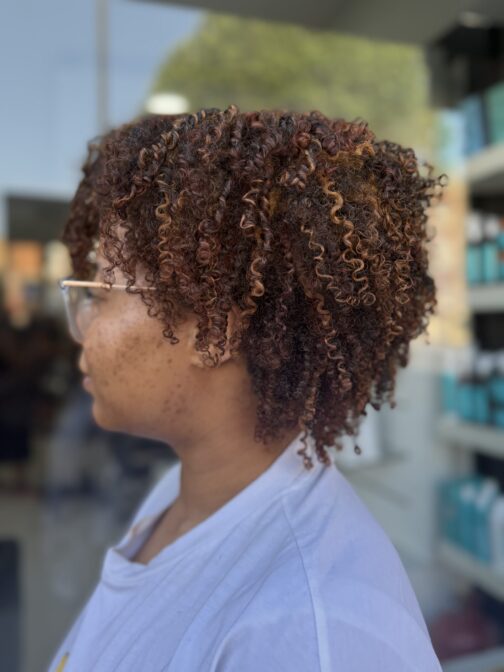
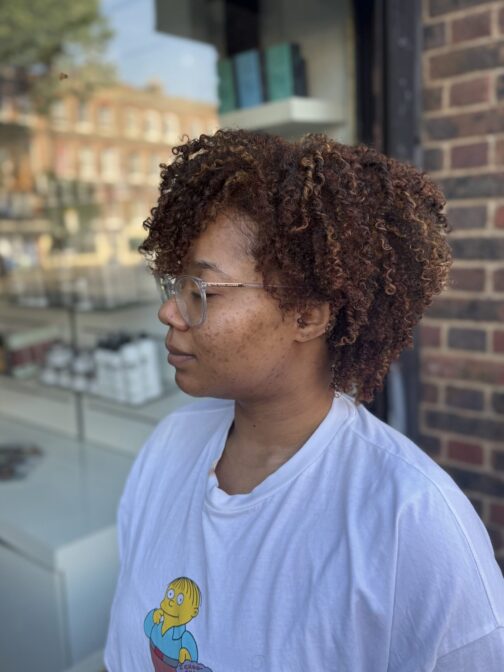
I did my first ever texture release as someone who had been in braids for over 10 years without breaks. I had such a great experience with Jennifer. She explained the process to me and made me feel really comfortable. I loved the outcome and will defo be coming back!

I had an absolutely great experience with Jenifer ☺️☺️☺️

Absolutely fabulous, so pleased with the level of service given, Jennifer senior stylist did a brilliant Job, I explained what I wanted, and she delivered. Definitely would highly recommend. Thank you 😊
I had a fantastic hairdressing experience. Jennifer is skilled, attentive, and really listened to what I wanted. The service was smooth, professional, and the results were even better than I expected. I left feeling confident and very satisfied. Highly recommended!
Jennifer gave me her usual high standard salon experience. The cut, blow dry and style for a new wig and giving life back to an old wig with Salonge recolouring and Jennifer cutting and styling. This was a first coming to Jennifer with a wigs rather than my own hair. Once again, she kicked it out the park, leaving me feeling a million dollars. Thank you ??

The reception of all staff was pretty ok, Jennifer was my stylist, though others helped but at the end, she did an amazing job. I’d really recommend Afrotherapy
I’ve been coming here for the past 3 months, and from the very start I told my stylist, Jennifer, that I trusted her to take care of my hair. She has not disappointed me once! Jennifer and the entire team are always friendly, knowledgeable, and welcoming. I would highly recommend Afrotherapy to anyone looking for a salon you can truly trust with your crown. A****
5 days ago New If you have locs or are about to start, I highly recommend going with Jennifer. She's incredibly attentive, delivered the style I wanted, and gave great advice on how to look after and maintain my new style. She is really friendly, easy to talk to and her customer service is great!
If you have locs or are about to start, I highly recommend going with Jennifer. She's incredibly attentive, delivered the style I wanted, and gave great advice on how to look after and maintain my new style. She is really friendly, easy to talk to and her customer service is great!
My hair was in need of some long-overdue TLC, so I treated myself to a silk press and trim—and I’m so glad I did! Jennifer was absolutely amazing. She’s not only super talented but also incredibly knowledgeable. I left the salon with my hair looking and feeling better than ever. I can’t wait to book with her again!
Visiting a new salon and trusting your hair to a stranger is incredibly daunting. However, from the moment I walked into Afrotherapy, I was put at ease by the wonderfully friendly and attentive staff. Jennifer (stylist) took the time to listen and understand what I wanted and provided sound advise. The result was not only amazing but I also left with practical advice on how to maintain my hair and the style at home. The whole experience was pleasurable, with great conversation and as much tea/coffee as I could drink! Thanks for the positive experience and fabulous hairstyle. See you again soon 🙂
Jennifer is amazing! She relaxes and treats my hair with such care and attention, and the results are always excellent. My hair feels healthy, looks beautiful, and I receive so many compliments after every appointment. She truly knows what she’s doing, and I always leave her chair feeling confident and refreshed. The salon itself is second to none – a friendly, peaceful environment, truly a 5⭐️ experience that sets the standard. I would highly recommend!
Such a wonderful experience. Jennifer is the absolute best stylist and goes the extra mile ti ensure I’m happy at all costs. Elle x
Jennifer was really lovely and is experienced! She explained the process well and relieve any anxieties I had with my first ever proper treatment. The staff were accomodating and friendly throughout the entire process. The salon is clean and spacious. Thank you so much!!??
It was my first visit to Afrotherapy Hair Salon and I felt a little nervous but I was soon put at ease with a friendly welcome and a relaxing atmosphere. My stylist for the day was Jennifer who is amazing. I was really impressed with her skills. She is attentive and listened to what I wanted and delivered great results, exactly what I envisaged. Thank you Jennifer for my beautiful hairstyle. I look forward to being back in your chair very soon.
Jennifer is incredible!! From the service, her gentle hands, hair care advice and our friendly chats, she’s amazing! I’ve never had anyone style my hair the way she has. I had to work whilst in the salon and she was so patient with me taking calls. Jen constantly offers teas / coffees, checks in to make sure water temp is okay and generally is such a wonderful person! As I said today, she’s my “go to girl!”. Thanks for always making me look good Jen ❤️❤️
Jennifer is incredible!! From the service, her gentle hands, hair care advice and our friendly chats, she’s amazing! I’ve never had anyone style my hair the way she has. I had to work whilst in the salon and she was so patient with me taking calls. Jen constantly offers teas / coffees, checks in to make sure water temp is okay and generally is such a wonderful person! As I said today, she’s my “go to girl!”. Thanks for always making me look good Jen ❤️❤️
Jennifer was amazing, very friendly and welcoming. We talked through deep moisturisers and healthy hair regimes (I picked up a lot of tips!) and the peppermint tea was a really lovely touch. I wasn’t sure if the new client 30% discount was added but if not, I likely would have wanted to tip the remainder anyway. Outstanding service!
I explained to Jennifer what been happening to my hair, she looked at my hair explained what would be the best treatment. So Very understanding. Lovely Hair Salon Very welcoming Thank you so Much. See you again 🙂
Jennifer was amazing throughout my whole time there. She was patient and great when advising me during my consultation and friendly throughout the treatment too. Needless to say I be back for my next appointment in the two weeks and plan to have my hair done at Afrotheraphy moving forward. Thank you Jennifer!
Always an amazing experience. Jennifer is an amazingly talented stylist who always ensures my experience is enjoyable and that I leave looking a million dollars. I am planning on moving out of London but will be travelling down regularly to see Jennnifer and get my hair done would not go anywhere else
Recent Work: (11)
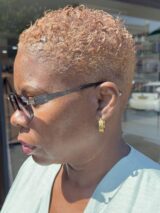
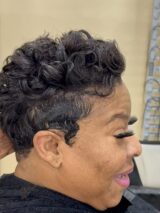
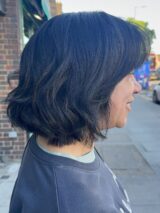
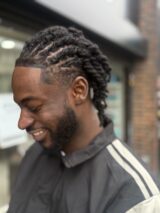

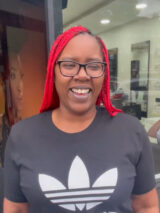
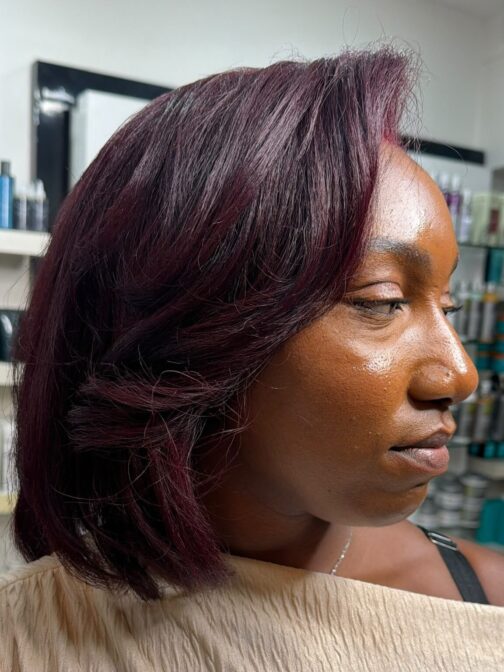
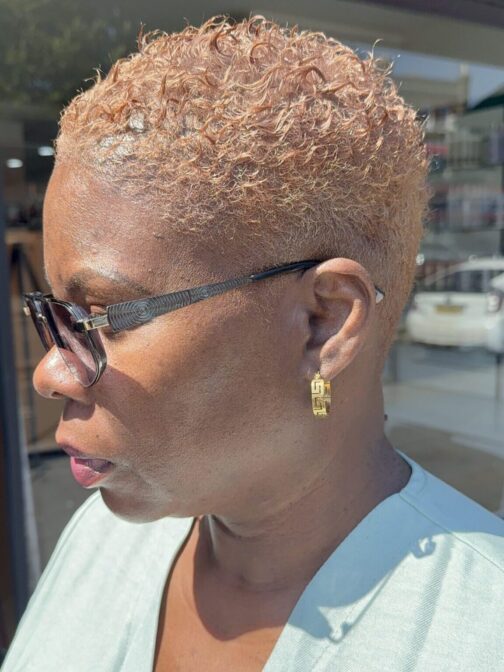
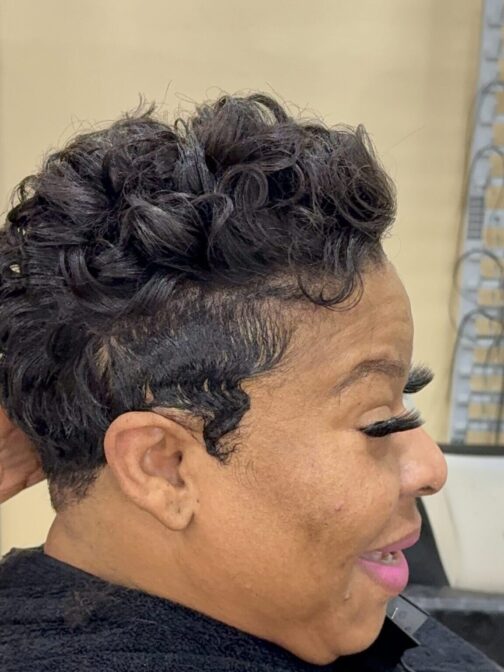
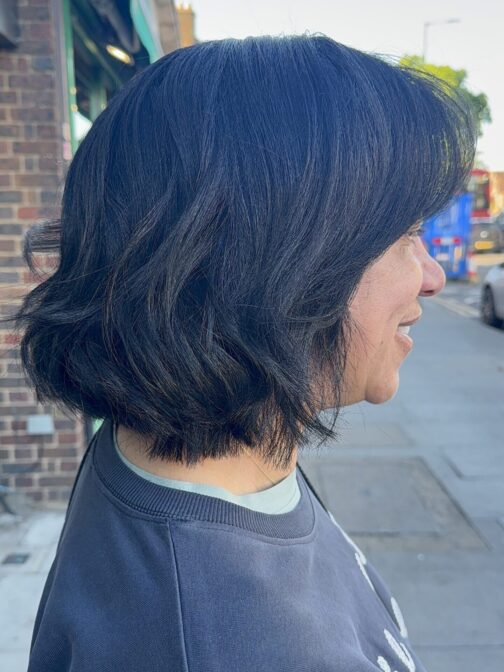
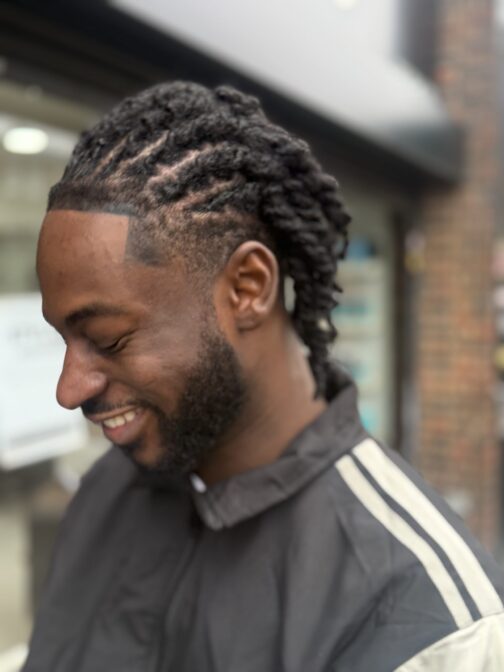
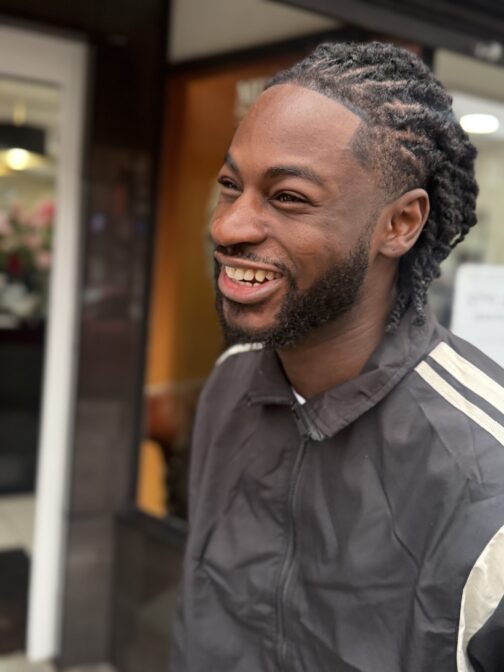
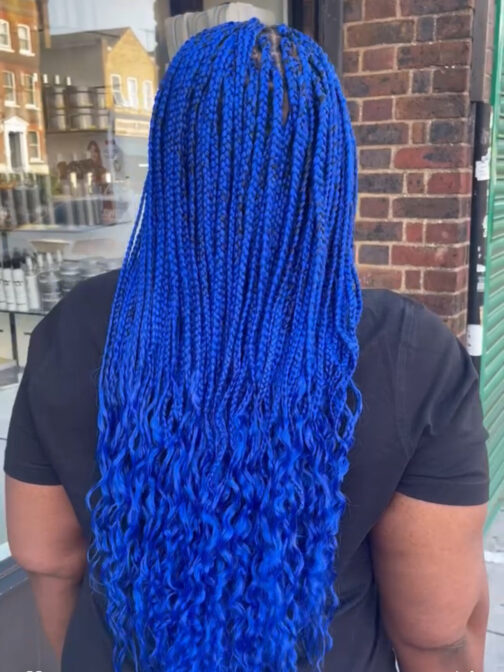
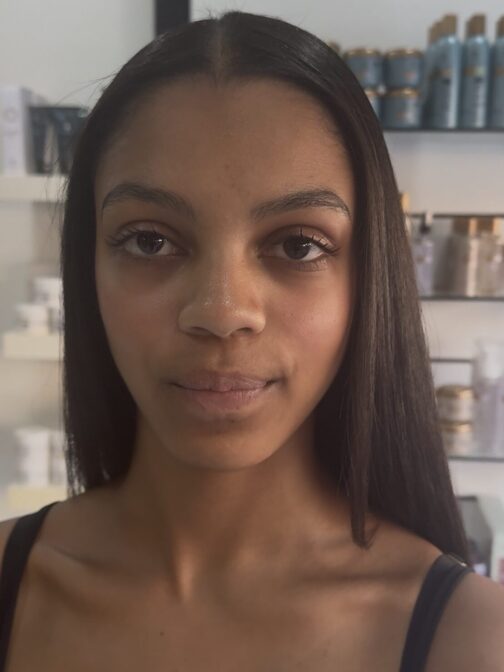
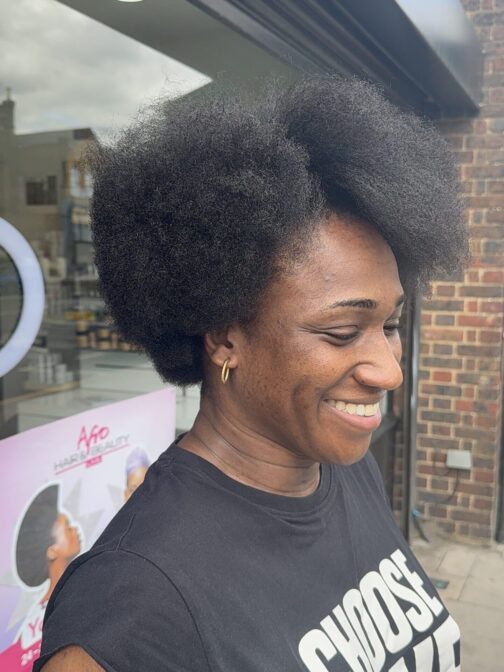
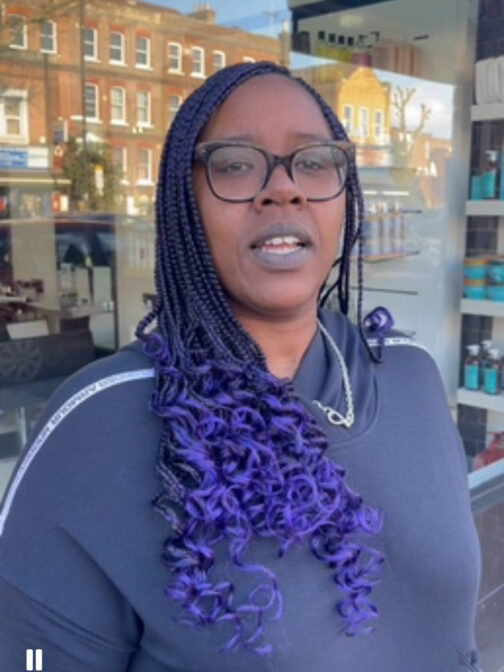
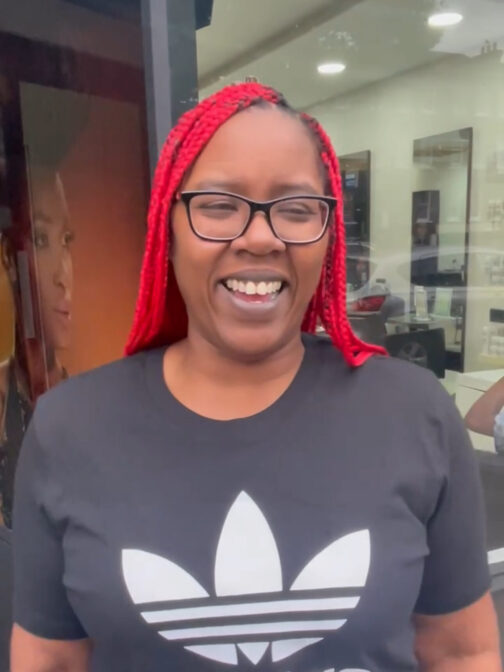

Saw Harriet today to get my hair treated and trimmed. Both she and the receptionist were polite and was happy to answer any questions about my hair and how to look after it as I came for help around my breakage and excess shedding. Now I have some homework for the next time I see her! Thank you for the service! 🙂

Very good result, had my hair done by harriet and im happy with the results

Nice ambience in the salon and punctual service. Had a silk press and cut by Harriet and happy with the result.
Went to do my hair yesterday and it went well. The service was so swift and everyone was so welcoming. Joseph styled my hair after my cut done by Harriet and they were both so friendly. Thank you! Definitely would come again!
Amazing consultation, styling and service by Harriet. She’s very knowledgeable and made me feel comfortable throughout my appointment. Will definitely visit again
From beginning to end the service was top notch. Welcoming, accommodating and hospitable. Harriet was patient and understanding, and exceeded my expectations. Harriet is an excellent stylist who listens and cares about you and your hair.
I had such a wonderful experience today at Afrotherapy, I had the beautiful owner Harriet and Joseph permed, washed, cut and styled my pixie hairstyle. Thank you both and the rest of the staff for such lovely energy and professional service, will definitely be back.
Amazing service as always- thank you to Harriet and the Afrotherapy crew
As usual, a wonderful service, lovely place with extremely knowledgeable staff
Great experience , my hair looked very great Thank you team , thank you Harriets
I had a trim with Harriet and it was wonderful. Very relaxing environment and I left feeling much better than when I entered
The service today at Afrotherapy was very good, from the moment I walked in , I was greeted straight away with a warm welcome. I was given an indepeth consultation with stylist Harriet, who took into consideration my needs and how I wanted my hair to be styled. The whole process was very relaxing from the washing process to finished result. I was also very impressed with how quick the process was.

Good experience, did a new colour really enjoyed 😉 Harriet did my hair, really lovely woman ☺️

Really lovely experience at the salon. All the staff were so friendly and welcoming, and Harriet did a fantastic job with my pixie cut. She really listened to what I wanted, read the memo, and absolutely completed the assignment!😉 so happy with the result and will definitely be back. Would happily recommend.

I had my treatment done by Harriett and it was amazing, very professional and kind. Would defo recommend

An amazing hair dressing experience, from beginning to end. From the video consultation with Joseph to the warm welcome by Harriet and all the staff at Afrotherapy. Fantastic 5 star customer service!! A relaxing experience, delivered with such expertise and kindness - my hair looks beautiful- I feel a million dollars! Would thoroughly recommend Afrotherapy. Thank you all so much , God Bless ! ☺️

Afrotherapy is a wonderful, professional salon. Harriet was amazing, very lovely and did my hair exactly to my needs. Would definitely recommend.

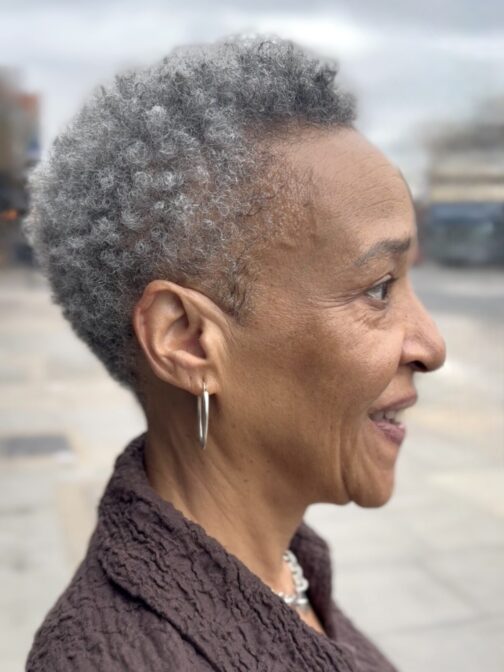
So glad I found Afrotherapy, a family-owned and run salon! A warm welcome was followed by a cut, shape and wash by very experienced hands. Exactly the care I needed for my short afro, thank you Joseph, Harriet and team!
In plain and simple terms..I should listen to Harriet, who is my friend and she has been looking after my hair for decades and has never steered me wrong. This time I decided to opt for my own style, Bad Move!!! Harriet put my hair back into the style that suits me best. She knows what is right for me. Lesson learned. "Listen to Harriet"
I visited Afrotherapy Salon for the first time today, and what an experience it was. I was greeted by a lovely lady Harriet who was very friendly, as soon as I arrived I was seen where I had a shampoo, condition. The lady who wash washing my hair explained what my hair type was and what treatments and how to care for my hair. I had flaky, dry hair and breakage at the front, as I have relaxed hair. They are very knowledgeable about products and hair care. I then had a blow dry and styled by Harriet, who again was very professional and throughout my appointment took time with my hair and was really kind with next steps for my hair journey. I would recommend coming here and will be coming back again myself. Thank you for my first time experience as I was nervous visiting somewhere new, but left feeling confident.
Lovely professional calming ambiance and.service with a smile. Had a lovely experience at the hands of these professional today. Will definately recommend them to all who desire not just a hair style but hair therapy.
I came in for a Fabrique treatment and Harriet was great throughout, explaining how it would all work. I went in with curly hair and walked out with smooth straight hair and can already notice the loosening of my curls. I’d highly recommend anyone with curly hair to pay a visit to Afrotherapy!
I visited this salon today for the first time with damaged hair and wasn’t sure what to expect but I was genuinely impressed. The salon is located near Silver Street tube station. It’s very clean, and the staff are professional, welcoming, and very friendly. The owner is knowledgeable and takes the time to recommend the best treatments for your hair, which made me feel confident and well cared for. Wishing continued success and blessings to this place and its owner. Highly recommended!
Harriet responded quickly to an email I'd sent enquiring about what I should do with my hair. After a face-to-face, consultation, I had a low cut and treatment. It's a big change but the cut was long overdue. Thank you.
Absolutely so happy I found Afrotherapy. Harriet’s knowledge about hair is phenomenal. The consultation gave us the perfect plan. My hair was reborn and I left feeling human again. Can’t wait for my next visit. All the staff were amazing and so welcoming. 7 star treatment.
Great experience, gorgeous colour and was well looked after by Harriet throughout
I booked in for a colour correction and Harriet did an amazing job on my hair, it was exactly the colour I wanted! I will definitely go back, highly recommend!
Harriet really took the time to give me a fresh new look, which I truly appreciated. Her time, patience, and dedication made the whole experience even better. Would definitely return again and recommend!
I booked a curly perm and from the time of booking to my treatment it was all a really smooth, professional and lovely experience. My appointment was with Harriet who was really kind, patient and done a thorough consultation with me with a clear plan of action - which is great because i was well informed as I am quite sensitive to my hair. She also took images to track my progress which i thought was a great and not something I have had at other salons. All the other ladies at the salon were also very friendly. I am very happy with my hair and only wish I had started my journey with Afrotherapy sooner and reccomended to others too. Thank you Harriet!
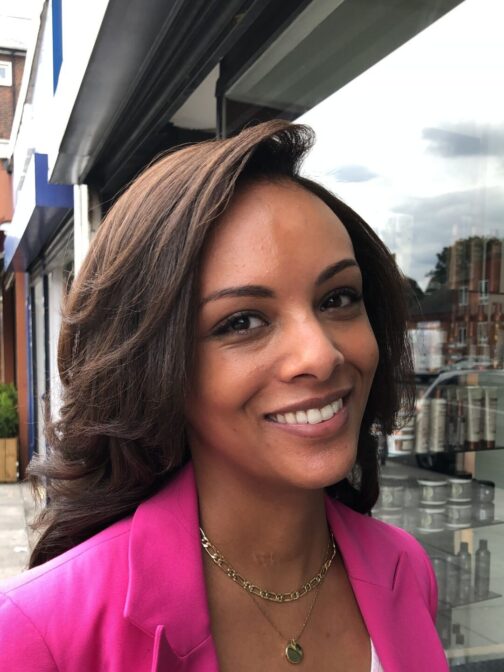
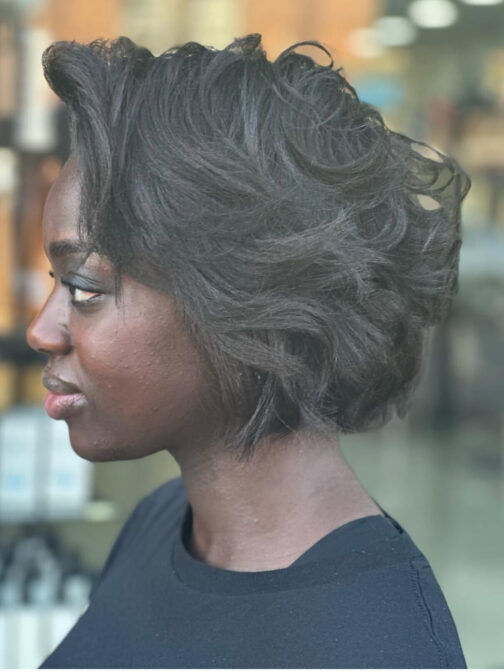
I had the most amazing experience at Afro Therapy Salon. As someone with 4C hair, I’m always very particular about who I trust with my crown — and they absolutely exceeded my expectations. From the moment I walked in, the atmosphere was warm, welcoming, and professional. Harriet really took the time to understand my hair, and make sure I was comfortable every step of the way. I had a texture release done, and a Bob hairstyle! My hair feels so soft, silky, and still full of life. What I loved most was how knowledgeable and gentle they were with my hair. You can tell they truly understand and celebrate natural hair in all its textures. No rushing, no cutting corners — just genuine care and expertise. If you have 4C hair and are considering a texture release or simply want a salon that truly knows what they’re doing, I cannot recommend Afro Therapy Salon enough. Professional, attentive, and absolutely worth it. I walked out feeling confident, pampered, and completely in love with my hair! 10/10 experience ✨
Harriet is awesome every time !
After five years with Sisterlocks, I chose to have them professionally removed rather than combed out. I selected Harriet at Afrotherapy, a salon I have trusted for years, for this transformation. Harriet exceeded my expectations, providing a thorough consultation in a calm and welcoming environment and ensuring I was comfortable with each step of the process. I would highly recommend Afrotherapy. Sandra M

I love Afrotherapy!!! I had such a wonderful experience with Harriet and Patricia!!! I totally recommend this salon for everyone!!!

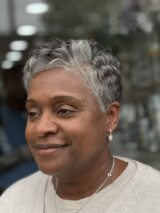
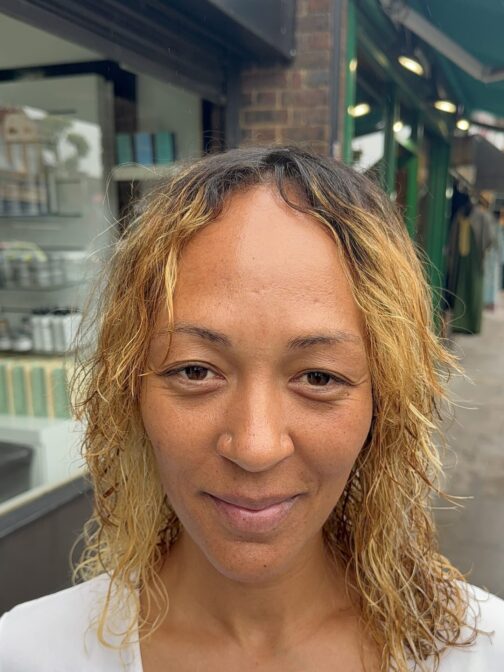
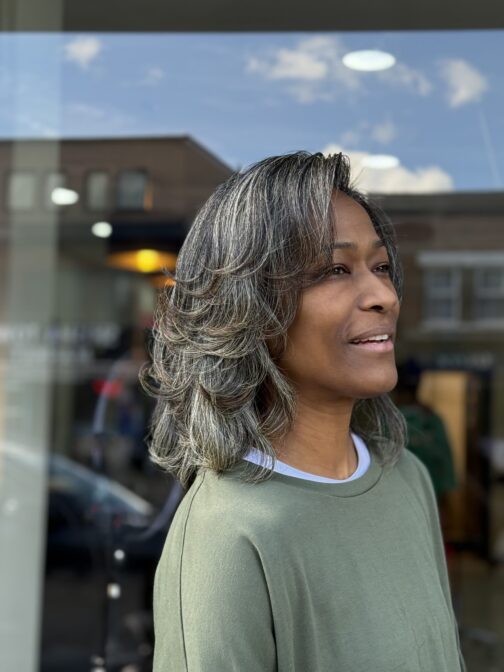
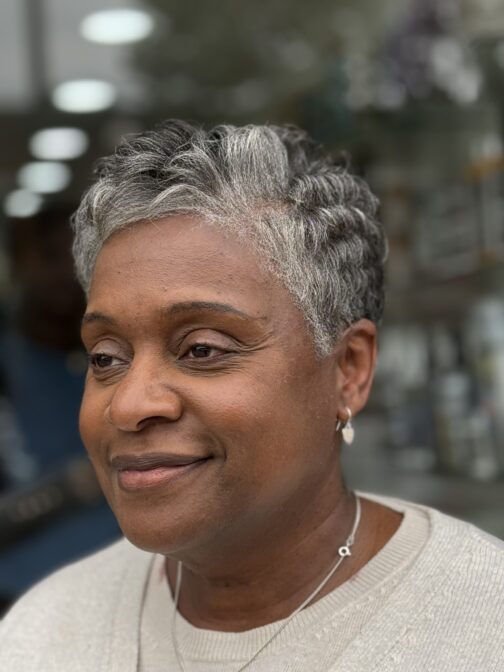
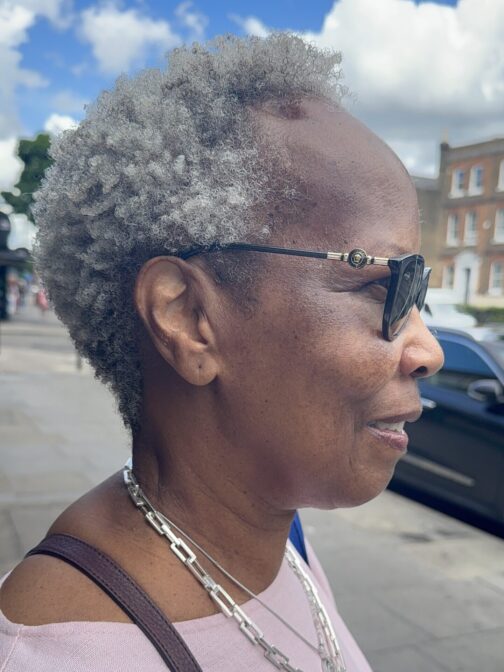
I booked a consultation with Harriet and she was very helpful and kind. I was able to discuss my concerns with trying to transition my greying natural hair. Her advice helped me to make a decision on my next steps and she answered any questions I had. Jennifer then did a great job of giving me a treatment, cut and twists. This was my first visit to the salon and I would say that both Harriet and Jennifer were very friendly and knowledgeable. There was a great welcoming atmosphere and I will definitely be returning again. Thank you 😊
Excellent service provided by Harriet. Very friendly, professional and good at what she does. I highly recommend coming to Afrotherapy Salon. This was my first time here and I plan to make this my regular hair salon moving forward. Xx
Another great appointment at Afrotherapy Salon today. Harriet and the team are incredibly knowledgeable and always professional. Just over 12 months into transition to natural hair after 30 years of processing - advice and guidance at Afrotherapy is invaluable. Every confidence that my journey to strong and healthy hair will continue smoothly with the excellent service of Harriet and everyone at the salon,. Looking forward to my next visit already
Harriet was lovely, all of them are. I travel from Norway just to have my hair done at Afrotherapy. Nee i say more?
Just had a cut and colour with the wonderful Harriet. She listened and totally understood my indecision, she gave me all the options available. The salon and staff are so friendly and welcoming. Thank you all, I'd definitely recommend and I'll be back
My appointment was at 1pm. I had my colour topped up. I was very happy with the result. Considering that the salon was very busy, Harriet and her team ensured that I was dealt with quickly and efficiently.
I had a great appointment with Harriet and the team. They really listened to what I wanted and delivered an amazing transformation.
professional - I love coming here. I don’t have to worry about anyone eating over my head or shouting in a language I don’t understand. Harriet and her staff are always friendly polite and professional. I totally trust them to do the right thing with my hair every time!!

Got my hair dyed blonde from black. Went in for an initial consultation then came back for the actual process. Received excellent service from Harriet and she was able to get my hair to the exact colour that I wanted from one photo. Very happy with the results and would recommend. Came back and updated my hair style. Looks really good colour matching exactly what I wanted
It was my first time at the salon ,I was a little nervous as i didn’t know what to expect but left having a good experience and i’m happy with my new hair cut/look (I got a tapered cut), the owner /head stylist at the Salon Harriet was very nice to talk to and was reassuring, which made me feel comfortable to voice out what I wanted with the haircut I was going for, throughout the process of getting my hair done Harriet asked me how i felt about the direction of my haircut and if was happy with how it looked, how short I wanted it etc. I enjoyed getting my hair washed, my hair is type 4, high destiny hair (medium to thick strands) i have had past hair salon experiences where my natural hair wasn’t handled with care however at Afrotherapy that wasn’t the case it was one of the most relaxing washdays I’ve had. The other staff at the salon where lovely as well and the atmosphere of the salon was lovely, relaxing music, clean and simple design of the salon. A couple things I didn’t like as much was being told to change my original booking time to an earlier time, I’m based in south east london and the Salon is in North , pretty long journey, this meant not only did have to leave early , which initially planned to do but I felt added pressure which made me super anxious, which also meant had to rush m my journey to the salon (it didn’t help that there was traffic in the area going to the salon), Harriet explained why I needed to come to the salon earlier than I had planned due to the fact she needed to check the condition of my hair prior to my haircut and also asked for photos of my hair on the day of the appointment. Looking back I wish these 2 requests were made a day before or a couple days before my hair appointment so I didn’t feel so anxious on the day of my hair appointment, this is something that could be improved on to help with customer experience with the salon, if customers where given necessary info well in advance if possible . There was also a time I was left under the dryer for what I felt was a bit too long , it started to get slightly uncomfortable with the heat and although Harriet did finally check on me and my hair to see if it was dry (my hair was being set for a bantu knot out hairstyle with my tapered cut), I wished she would’ve of told me an estimate time for how long I would be under the drier or if i could take some breaks in between ( but that’s on me for not speaking up). Overall I did have a good first time experience at Afrothe
Great first time experience from start to finish! Really nice calming atmosphere with welcoming staff! Loved the chilled out music playing in the background. Harriet did a fantastic job cutting my damaged hair(at my request). Received great compliments from work colleagues and strangers the following day. I am looking forward to my next visit very soon.
Dear Jennifer, Dear Harriet and Joseph I want to say THANK YOU VERY MUCH again! This transition to me means everything! You made a dream come true for me! I haven't felt comfortable over years with my own hair due to one bad experience after another. I love to see myself in the mirror again now! Thank you, for having me at your place. All of you are SO PROFESSIONAL. Jennifer, you gave me back my trust. I'm in the best hands with you and I'm already looking forward to come back! YOU'RE AMAZING!!!!!!!! I'm still totally mindblown and speechless at the same time and i can't stop smiling!!!!! I wish you all a wonderful day!
Today was a good day for me at the salon. My beautician was the owner and she gave excellent service. She took the time To carefully go over my requirements; she explained what treatment that would be applied to my hair And coloured my hair in a beautiful bi-colour tone, exactly The way that I wanted it. It really looks lovely and is well moisturised.
I have mixed race curly hair and had really bad experiences in hair salons. Afrotherapy has good reviews so I was willing to try. I have booked a shampoo, cut and styling with Harriet. The staff was polite and welcoming. I really like that she took the time to listen to my needs and she tried to understand my curls pattern. She explained how she will proceed, proposed a treatment and gave me the cost before she starts. I agreed so no big surprises at the till at the end (like in other places where you have no clue if they will make you pay or not the extra conditionner they are using on your head... And they always make you pay that extra!!). She took care of me herself from the shampoo to the till at the end, checked if I was ok, explained what she was doing and gave me advices! I have exactly what I have asked for so I am really happy. I will definitely go back, even if it is a bit pricey. I prefer paying more to have a better service and not going home straight after to wash my hair and try to "fix" it!!!
Recent Work: (32)